Beacon Food Forest: 7-Acre Seattle Permaculture Since 2009
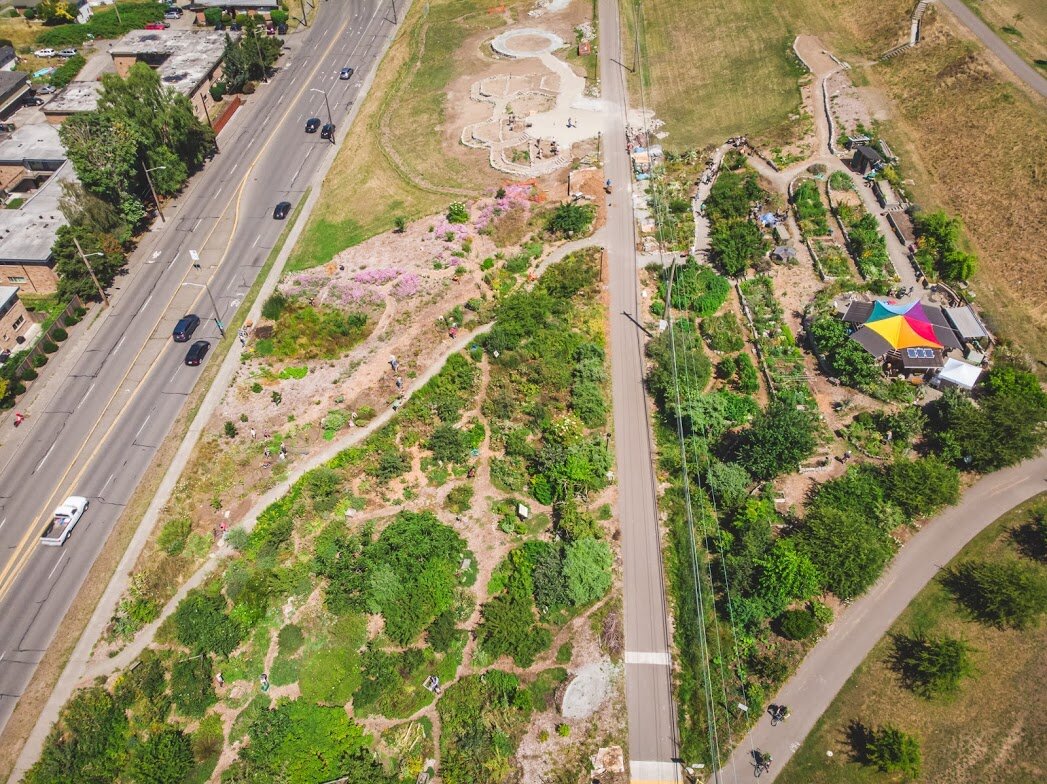
TL;DR: A Seattle community transformed urban land into a 7-acre food forest, boosting food security and ecosystem resilience through permaculture.
- Community permaculture creates resilient urban food systems.
- Agroforestry mimics nature, lowering maintenance needs.
- Multi-stage process guides successful food forest development.
- Project increased local food security and biodiversity.
- Collaborative management fosters equity and community bonds.
Why it matters: Urban food forests offer a scalable model for sustainable food production and ecological restoration in cities, directly addressing food insecurity and biodiversity loss.
Do this next: Research local land use policies to identify potential sites for a community food forest in your area.
Recommended for: Urban planners, community organizers, and permaculture enthusiasts interested in large-scale, collaborative food system development.
The Beacon Food Forest is a 7-acre community-powered permaculture project established in 2009 in Seattle's Beacon Hill neighborhood, designed as a model for sustainable urban food systems and ecosystem regeneration. The project combines agroforestry and permaculture design principles to create a multi-story edible landscape that mimics natural forest ecosystems while incorporating food plants for human consumption. This approach creates a semi-natural landscape requiring significantly less maintenance than conventional row crops while providing habitat for pollinators, insects, and birds, and sustaining both perennial and annual food plants.
The Beacon Food Forest operates through a clearly defined five-stage implementation process: establishing a clear vision centered on environmental sustainability and community resilience, securing land use agreements, designing the food forest layout, building infrastructure with volunteer support, and ongoing utilization and maintenance. The project's stated goals are to create a community around growing and sharing food, improve local food security by empowering residents to grow and harvest food on public land, and rehabilitate the local ecosystem and biodiversity. When fully developed, the site will include garden plots, fruit and nut trees, play fields, a children's area, a wetland, a gathering space, and native plant areas.
The food forest model demonstrates measurable impact on community food security and environmental outcomes. In 2023 alone, the Beacon Food Forest donated at least 3,540 pounds of produce to local food banks in addition to what community members harvested directly. The project exemplifies collaborative community management, with BIPOC leadership cultivating equity and accessibility as core principles. The impacts extend beyond food production to include increased biodiversity, stronger community bonds, and creation of an immeasurable asset for future generations. The project serves as a case study for how community-supported forest gardening can address food security issues, climate change resilience, and sense of belonging in urban environments. The Beacon Food Forest represents a scalable model for other cities seeking to develop sustainable urban agriculture systems that integrate ecological restoration with community empowerment and food sovereignty.