Cultivate Your Own Indoor Oasis: DIY Garden Pro Tips
By Ricardo Orlando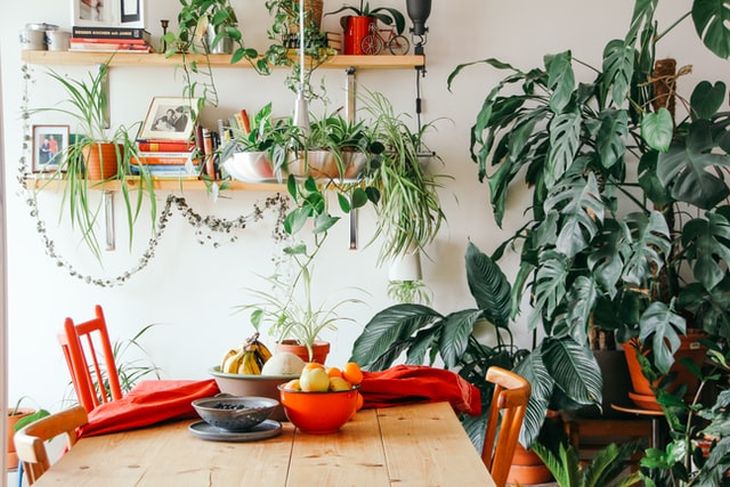
PermaNews Brief
Key Takeaways
Grow a thriving indoor garden by optimizing light, temperature, humidity, and choosing suitable containers and growing media.
- Assess available space and natural light sources.
- Supplement light with grow lights if needed.
- Maintain consistent temperature (65-75°F) and humidity.
- Select containers with proper drainage and size.
- Choose appropriate growing media for plant health.
Why It Matters
Indoor gardening offers fresh produce and greenery year-round, boosting well-being and reducing reliance on external food systems.
What to Do Next
Map out areas in your home with adequate natural light for potential plant placement.
Recommended for: Anyone looking to cultivate plants indoors, from beginners to experienced gardeners seeking year-round growth.
Creating an indoor garden is a feasible endeavor, even for those without extensive outdoor space. The process begins with careful planning and consideration of several key factors to ensure the garden's success.
One of the initial steps involves assessing the available space within your home. This includes identifying areas that receive adequate natural light, as light is a fundamental requirement for plant growth. Different plants have varying light needs, so understanding the light conditions in potential garden spots will help in selecting appropriate plant species. If natural light is insufficient, supplemental grow lights can be incorporated. These come in various types, such as LED, fluorescent, and high-intensity discharge (HID) lights, each with its own advantages and energy consumption characteristics. The choice of lighting will depend on the scale of the garden and the specific plants being grown.
Beyond light, temperature and humidity are crucial environmental factors. Most indoor plants thrive within a comfortable room temperature range, typically between 65 and 75 degrees Fahrenheit (18-24 degrees Celsius). Fluctuations outside this range can stress plants. Humidity levels also play a significant role, especially for plants that naturally grow in more humid environments. If the indoor air is too dry, particularly during winter months when heating systems are active, measures like using a humidifier or placing plants on pebble trays filled with water can help increase localized humidity.
Choosing the right containers is another important aspect. Containers should be appropriately sized for the plants they will hold, allowing for root growth. Drainage is paramount to prevent waterlogging and root rot. Pots with drainage holes are ideal, and saucers can be used underneath to catch excess water. The material of the pot, whether terracotta, plastic, or ceramic, also influences moisture retention and aesthetics.
The selection of growing medium is equally critical. While garden soil might seem like an obvious choice, it is often too dense for indoor use and can introduce pests or diseases. A high-quality potting mix, specifically formulated for indoor plants, is recommended. These mixes are typically lighter, offer better drainage, and contain a balanced blend of nutrients. Some gardeners may also opt for soilless growing media, such as coco coir or perlite, especially for hydroponic setups.
Plant selection is perhaps the most exciting part of establishing an indoor garden. Beginners might start with easy-to-grow plants like herbs (basil, mint, chives), leafy greens (lettuce, spinach), or certain small fruiting plants (strawberries, cherry tomatoes). Understanding the mature size of the plant, its light requirements, and its growth habit will help in making informed choices and preventing overcrowding.
Once the garden is established, ongoing care is essential. This includes consistent watering, which should be done based on the plant's needs and the moisture level of the soil, rather than on a fixed schedule. Overwatering is a common mistake that can lead to root problems. Fertilization is also necessary to replenish nutrients in the potting mix, as plants deplete them over time. The type and frequency of fertilizer application will depend on the specific plants and their growth stage.
Pest and disease management is another consideration. Indoor gardens are not immune to these issues, though they may face different challenges than outdoor gardens. Regular inspection of plants can help detect problems early. Organic pest control methods, such as neem oil or insecticidal soap, are often preferred for indoor use to avoid chemical exposure.
Finally, the arrangement and aesthetic appeal of the indoor garden can enhance the living space. Vertical gardening solutions, shelving units, or hanging planters can maximize space and create visually appealing displays. The goal is to integrate the garden seamlessly into the home environment, providing both functional benefits and a touch of nature indoors.
Source: urbanfarmonline.com
Related Analysis
- Practitioners Build Silvopasture Playbook Before Researchers Catch Up — A small but consistent set of signals from the Northeast U.S. shows farmers actively piloting silvopasture while formal …
- New Research Splits Silvopasture's Profit Case From Its Ecology — A small but consistent set of signals indicates silvopasture is shifting from ecological ideal to quantified economic ca…
Related on PermaNews
- Biodiversität: Schlüssel zum Umweltschutz – nachhaltig & pestizidfrei (Article)
- 2025 AI Framework: Boosting Smallholder Farm Resilience & Yield (Case Study)
- Regenerative Agriculture: Soil Health & Sustainable Crops (How-To Guide)
- Robotics 2026: AI IPM & Drones Feed the World (Article)
- Boost 2026 Companion Planting with VegPlotter's Aid (How-To Guide)
- IPM: Eco-Friendly Pest Control for Sustainable Living (Article)
Explore more in Food Systems & Growing — the full hub for this knowledge area.