Ohio Farmers: Regen Ag Beat Drought, Now Funding Cuts Loom
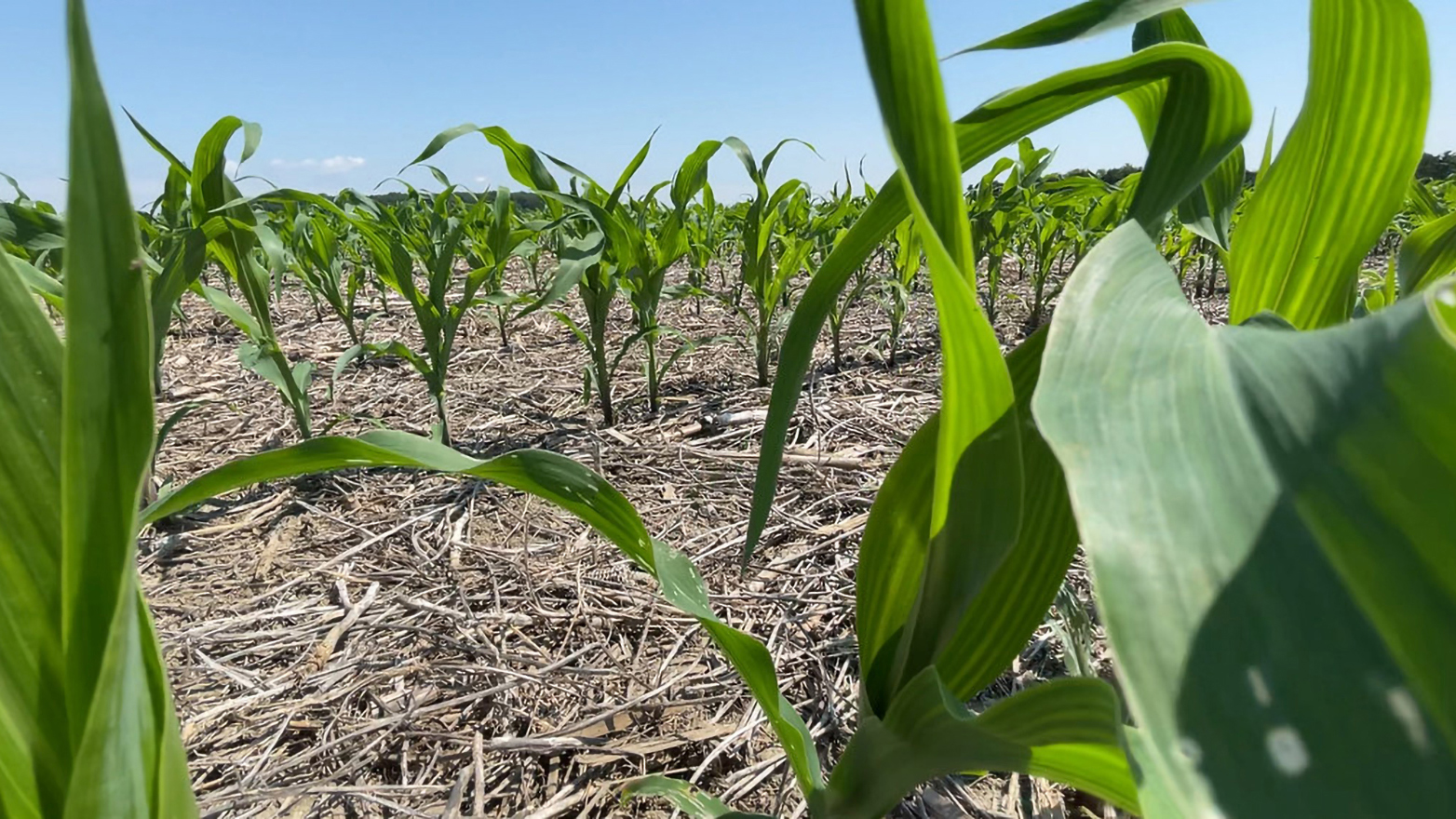
TL;DR: Regenerative farming practices in Ohio helped farmers withstand severe drought conditions, highlighting their effectiveness despite state funding cuts and new federal support.
- Regenerative farms survived drought while conventional neighbors struggled.
- State funding for regenerative programs is significantly cut.
- Federal government launches new $700M regenerative ag pilot.
- No-till, cover crops, and holistic grazing improved soil health.
- Pilot program offers streamlined applications for whole-farm plans.
Why it matters: Regenerative agriculture offers proven resilience against climate extremes, ensuring food security and farmer livelihoods amidst unpredictable weather patterns.
Do this next: Research the new USDA Regenerative Pilot Program and contact your local service center for application details.
Recommended for: Farmers, policymakers, and agricultural stakeholders interested in climate-resilient farming and sustainable land management.
Ohio farmers credit regenerative agriculture practices with enabling them to weather severe droughts, yet face frustration from nearly 40 percent cuts to state funding for supportive programs like H2Ohio. Techniques such as cover cropping, no-till, and holistic grazing built soil structure that retained moisture and nutrients, preventing crop failures experienced by conventional neighbors. This case underscores regenerative methods' proven resilience, aligning with the USDA's new $700 million Regenerative Pilot Program announced for FY2026, which invests $400 million in EQIP and $300 million in CSP nationwide. The federal initiative offers a streamlined single application for whole-farm plans targeting soil health, water quality, and biodiversity via practices including silvopasture and soil testing. NRCS administration emphasizes farmer-first outcomes, with advisory councils and private matching funds enhancing scalability. While state reductions threaten local grants, the USDA pilot provides a critical backstop, accessible through local service centers. Broader research, including from Rodale Institute's 78-year dataset, validates these approaches for profitability and environmental benefits. Agrifood stakeholders react positively to the federal push, seeing it as vital amid climate volatility. The program supports the MAHA framework by prioritizing practical conservation to lower costs and boost productivity. Ohio's experience highlights the urgency, as regenerative adopters maintained operations without irrigation reliance, contrasting with losses elsewhere. Federal FAQs specify eligible practices and requirements, positioning the pilot as a bridge for farmers navigating funding gaps.