Kentucky Kura Project: Sustainable Building Takes Shape
By Ziggy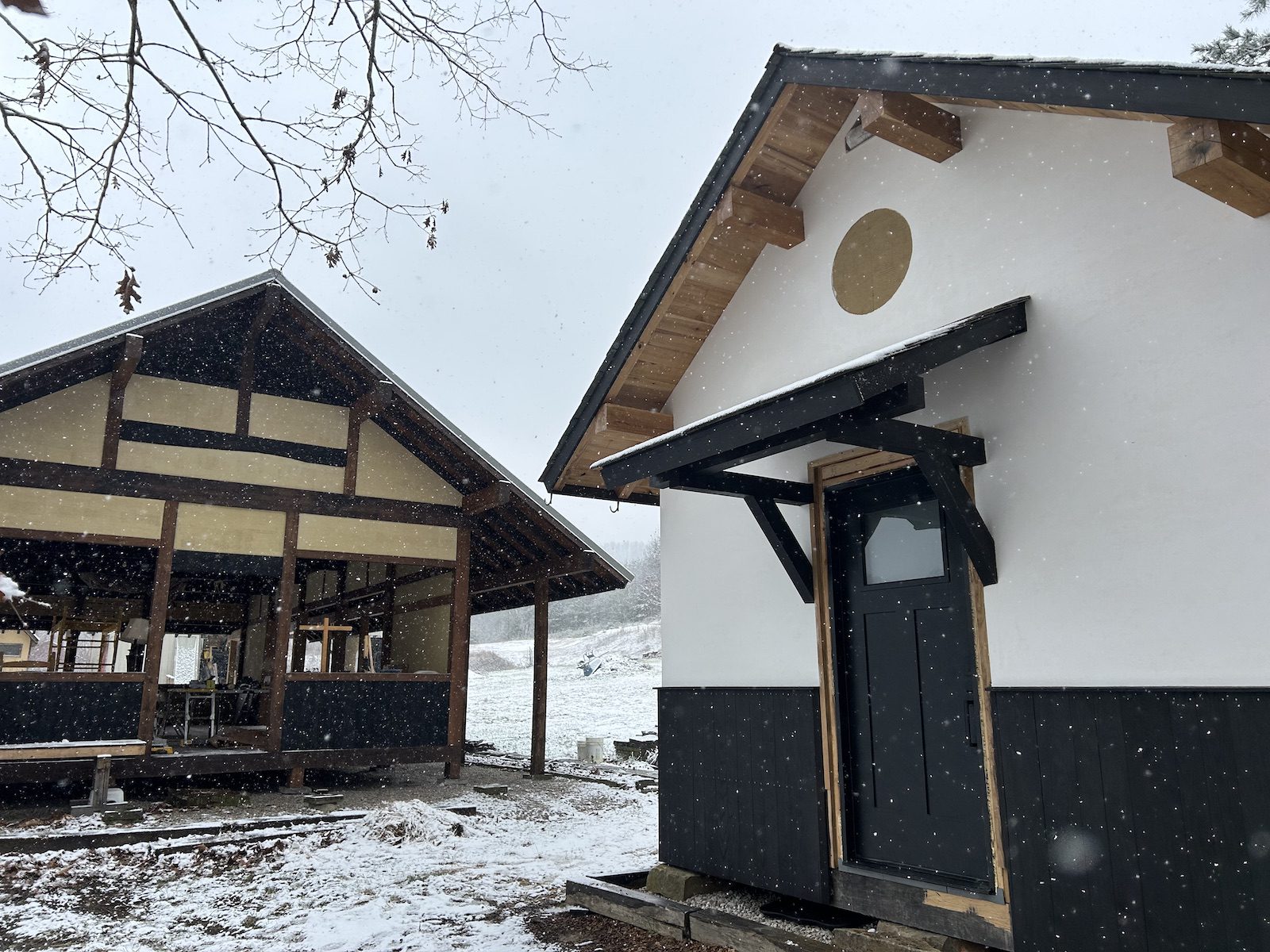
PermaNews Brief
Key Takeaways
A "Kentucky Kura" demonstrates accelerated natural building using permaculture principles and local materials.
- Project completed ahead of schedule, showcasing efficient natural building.
- Utilizes traditional Japanese storehouse design for robust, sustainable construction.
- Employs local, natural materials, minimizing environmental impact.
- Demonstrates various natural building methods like cob or straw bale.
- Integrates passive solar design for energy efficiency.
Why It Matters
This project shows that sustainable natural building is achievable and can even outpace conventional construction timelines, offering a viable path for eco-conscious development.
What to Do Next
Research local natural building workshops or online resources to learn practical techniques.
Recommended for: Those interested in sustainable construction, natural building techniques, and permaculture applications in real-world projects.
The "Kentucky Kura" project, a natural building endeavor, has reached a significant milestone, marking the culmination of extensive effort and dedication. This initiative, which began with ambitious plans for 2025, has progressed at an accelerated pace, demonstrating the feasibility of achieving complex construction goals ahead of schedule. The project's completion signifies not just the erection of a structure, but the successful application of permaculture principles and natural building techniques in a real-world setting.
The "Kura" itself is a type of traditional Japanese storehouse, known for its robust construction and ability to withstand various environmental conditions. In the context of this project, it represents a commitment to sustainable living and a departure from conventional building practices. The construction process involved the use of locally sourced, natural materials, emphasizing a low environmental footprint and a connection to the surrounding landscape. This approach aligns with permaculture's core tenets of working with nature rather than against it, fostering ecological harmony and resource efficiency.
Throughout its development, the "Kentucky Kura" project has served as a practical demonstration of various natural building methods. These likely included techniques such as cob, straw bale, or earthbag construction, all of which prioritize insulation, durability, and breathability. The choice of these methods reflects a conscious decision to create a structure that is not only functional but also contributes positively to the local ecosystem. The building's design would have incorporated passive solar principles, maximizing natural light and warmth while minimizing the need for artificial heating and cooling. This thoughtful integration of design and environment is a hallmark of permaculture.
The completion of the "Kentucky Kura" also highlights the collaborative spirit often found within the natural building community. Such projects frequently involve volunteers, workshops, and knowledge sharing, fostering a sense of community and empowering individuals with practical skills. While the article doesn't explicitly detail these aspects, the nature of natural building often implies a hands-on, community-driven approach. This collective effort contributes to the project's success and helps disseminate sustainable building knowledge.
Furthermore, the "Kentucky Kura" project can be seen as an educational endeavor, inspiring others to explore natural building and permaculture. Its existence serves as a tangible example of what can be achieved with dedication and an understanding of ecological principles. The project's completion at the end of the year, despite initial projections for a later date, underscores the efficiency and commitment of those involved. This early completion is a testament to the effective planning and execution that characterized the entire process.
In essence, the "Kentucky Kura" represents a successful venture into sustainable construction, embodying the principles of permaculture through its design, materials, and execution. It stands as a testament to the power of natural building to create resilient, environmentally friendly structures, and serves as an inspiring example for future projects in the realm of sustainable living.
Source: theyearofmud.com
Related Analysis
- Off-Grid Homesteads Merge Thermal and Electrical Renewable Systems — Several 2024–2025 case studies show off-grid permaculture sites pairing rocket mass heaters with solar or micro-hydro el…
- Off-Grid Solar Projects Shed Legacy Batteries for LFP — Several sources suggest LFP batteries are becoming the go-to storage solution as solar adoption grows across off-grid an…
Related on PermaNews
- Explore the Permaculture Design Certificate Course for Sustainable Living (How-To Guide)
- 2025: Rocket Mass Heaters in PHI-Certified Earthship Tiny Homes (Case Study)
- Earthship Retrofits: PHI Standards & Regenerative Guide 2025 (Case Study)
- Häuser bauen mit Stroh und Lehm – Workshop zu Strohballenbau und Lehmputz auf Stroh (Event)
- 2024 Earth-Sheltered Timber Frame: PermaFarm Build Guide (How-To Guide)
- Cob-Straw Infills: Timber Frame Resilience for Your Build (How-To Guide)
Explore more in Shelter, Energy & Infrastructure — the full hub for this knowledge area.