Hugelkultur: Optimal Compost, Hay & Topsoil Choices
By paul wheaton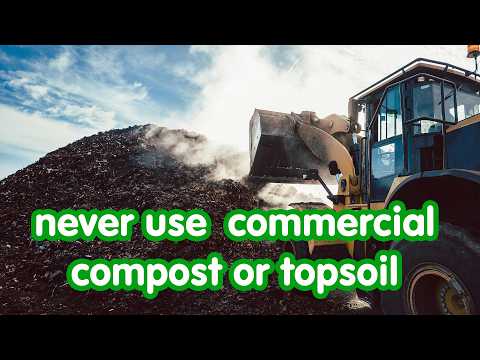
TL;DR: Building effective hugelkultur beds requires careful selection and layering of wood, compost, and other organic materials for optimal plant growth.
- Hardwoods offer long-term nutrients and stability.
- Softwoods decompose faster, may need added nitrogen.
- Compost introduces microbes and balances nutrients.
- Hay provides insulation, suppresses weeds, and retains moisture.
- Size of wood impacts decomposition rate and nutrient release.
Why it matters: Proper material selection in hugelkultur enhances soil fertility, improves water retention, and can extend growing seasons, leading to more resilient and productive gardens.
Do this next: Prioritize hardwoods like oak or maple for the base of your hugelkultur bed to ensure long-term stability and nutrient release.
Recommended for: Gardeners and permaculture enthusiasts looking to build highly effective, long-lasting raised beds with minimal ongoing maintenance.
Hugelkulter, a gardening technique that involves burying large pieces of wood and other organic materials to create raised garden beds, offers numerous benefits, including improved soil fertility, water retention, and extended growing seasons. However, the success of a hugelkultur bed heavily relies on the careful selection and layering of materials. This summary will delve into the optimal choices for compost, hay, and topsoil, crucial components for a thriving hugelkultur system.
The foundation of any hugelkultur bed is wood, and the type of wood chosen significantly impacts its decomposition rate and nutrient release. Hardwoods like oak, maple, and fruitwoods are generally preferred due to their slower decomposition, which provides a long-term source of nutrients and creates a stable structure. Softwoods, such as pine and cedar, decompose more quickly and can initially tie up nitrogen, potentially hindering plant growth. If softwoods are used, it's advisable to incorporate extra nitrogen-rich materials to balance the carbon-to-nitrogen ratio. The size of the wood also matters; larger logs decompose slower, offering a more sustained benefit, while smaller branches and twigs break down faster, providing an initial boost of nutrients.
Above the wood layer, a substantial amount of organic matter is essential. This is where compost plays a vital role. High-quality compost, rich in diverse organic materials, introduces a thriving microbial community that accelerates decomposition and nutrient cycling. A mix of "green" materials (nitrogen-rich, like fresh grass clippings, food scraps, and manure) and "brown" materials (carbon-rich, like dried leaves, straw, and wood chips) ensures a balanced nutrient profile. The compost layer should be generous, providing a buffer between the wood and the topsoil, and acting as a primary source of readily available nutrients for plants.
Hay, or straw, serves multiple purposes in a hugelkultur bed. When layered above the compost, it acts as a weed barrier, suppressing unwanted growth while allowing beneficial moisture and air to penetrate. As it decomposes, hay contributes organic matter and nutrients to the soil, further enriching the bed. It also helps to regulate soil temperature, insulating the bed in colder months and keeping it cooler in warmer periods. The choice between hay and straw often comes down to availability and cost. Both are effective, though hay typically contains more nutrients due to the presence of seed heads and finer plant material. It's important to ensure that the hay or straw is free of herbicides or pesticides that could harm plants or soil organisms.
Finally, the topsoil layer is where the plants will directly grow. This layer should be of good quality, ideally a rich loam with a balanced texture. While the hugelkultur bed will eventually create its own fertile soil, starting with a decent topsoil provides an immediate hospitable environment for seedlings and young plants. The depth of the topsoil layer can vary, but generally, at least 6-12 inches is recommended to allow for adequate root development. If the existing topsoil is poor, it can be amended with additional compost or other organic matter to improve its structure and nutrient content.
In summary, a successful hugelkultur bed is a carefully constructed ecosystem. The strategic layering of hardwoods for long-term structure and nutrients, a robust compost layer for microbial activity and immediate nutrient release, hay or straw for weed suppression and temperature regulation, and a quality topsoil for initial plant growth, all contribute to a highly productive and sustainable gardening system. By understanding the role of each component and making informed choices, gardeners can create a thriving hugelkultur bed that yields abundant harvests with minimal external inputs.