Winter Growing: Horticultural Fleece & Polytunnel Light Hacks
By RED Gardens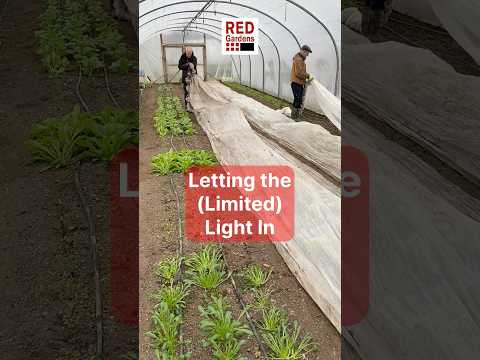
TL;DR: Extend your growing season during colder months by understanding the benefits and limitations of horticultural fleece and polytunnels for plant protection and improved yield.
- Fleece insulates and protects from wind/frost.
- Fleece permits water and air, reducing disease.
- Fleece reduces light, potentially hindering growth.
- Polytunnels offer robust, controlled warmth.
- Polytunnels allow more light than fleece.
- Both tools extend the growing season.
Why it matters: These season extension techniques are crucial for cultivating plants during colder months, enhancing food production and resilience in various climates.
Do this next: Assess your garden space and choose between horticultural fleece or a polytunnel based on your specific needs for winter growing.
Recommended for: Gardeners looking to extend their growing season through the colder months using practical and effective methods.
The practice of cultivating plants during the colder months presents unique challenges, particularly concerning light availability and temperature regulation. Horticultural fleece and polytunnels are two common tools employed by gardeners to extend the growing season and protect crops from harsh winter conditions. While both offer benefits, understanding their specific applications and limitations is crucial for successful winter gardening.
Horticultural fleece, often referred to as row cover, is a lightweight, permeable fabric designed to be draped directly over plants or supported by hoops. Its primary function is to provide a degree of insulation, trapping warmth around the plants and protecting them from frost. This material also acts as a barrier against strong winds, which can desiccate plants, and can deter some pests. The permeability of fleece is a key advantage, as it allows rain and irrigation water to penetrate, and air to circulate, reducing the risk of fungal diseases that can thrive in stagnant, humid environments. However, the light transmission through fleece is reduced, which can be a significant factor during the short, dim days of winter. The extent of light reduction depends on the thickness and density of the fleece, with heavier grades offering more insulation but less light. For plants that require ample sunlight, such as many fruiting vegetables, this reduction can hinder growth and productivity. Additionally, fleece offers limited structural protection against heavy snow loads or strong gusts, and it needs to be secured properly to prevent it from blowing away.
Polytunnels, on the other hand, offer a more robust and controlled environment. These structures, essentially unheated greenhouses made from a metal or plastic frame covered with a polyethylene film, provide a significantly warmer and more sheltered space for plants. The plastic sheeting allows a greater amount of light to penetrate compared to fleece, although some light is still reflected or absorbed. The enclosed nature of a polytunnel creates a microclimate that can elevate temperatures several degrees above the ambient outdoor temperature, effectively extending the growing season by several weeks or even months. This allows for the cultivation of a wider variety of crops, including some that would not survive the winter outdoors. The structural integrity of a polytunnel also offers better protection against heavy snow, strong winds, and hail. However, polytunnels require a more substantial initial investment in terms of materials and construction. Ventilation is also a critical consideration in a polytunnel; without adequate airflow, temperatures can soar on sunny days, potentially damaging plants, and humidity can build up, leading to disease issues. Therefore, careful management of vents and doors is necessary.
When deciding between fleece and a polytunnel, gardeners must consider their specific needs, the types of crops they wish to grow, and their budget. For a modest extension of the growing season and protection against light frosts for hardy vegetables, horticultural fleece can be an effective and economical solution. It's particularly useful for protecting individual rows or beds. For more ambitious winter growing, including the cultivation of less hardy plants or a desire for a more significant yield, a polytunnel offers a superior environment. It allows for greater control over temperature and humidity, and provides more comprehensive protection. Some gardeners even combine these methods, using fleece inside a polytunnel to provide an extra layer of insulation during the coldest periods, further enhancing temperature stability for sensitive crops. Ultimately, both tools contribute to the resilience and productivity of a winter garden, each with its own set of advantages and considerations.