Paul Lemoine: Why Raised Beds Beat Rows for Soil Health
TL;DR: Raised garden beds offer superior drainage and maximize planting density compared to traditional row gardening, especially in challenging soil conditions.
- Raised beds improve drainage, preventing root rot in heavy soils.
- Maximize planting density, ideal for small or urban gardens.
- Facilitate diverse growing environments for varied crops.
- Reduce pathways, utilizing every square foot efficiently.
Why it matters: Optimizing garden space and soil conditions is crucial for successful harvests, particularly in urban environments or areas with poor native soil.
Do this next: Consider converting a portion of your garden to raised beds to experiment with improved drainage and plant density.
Recommended for: Gardeners looking to optimize their growing space, improve drainage, and increase crop diversity, especially in urban or challenging environments.
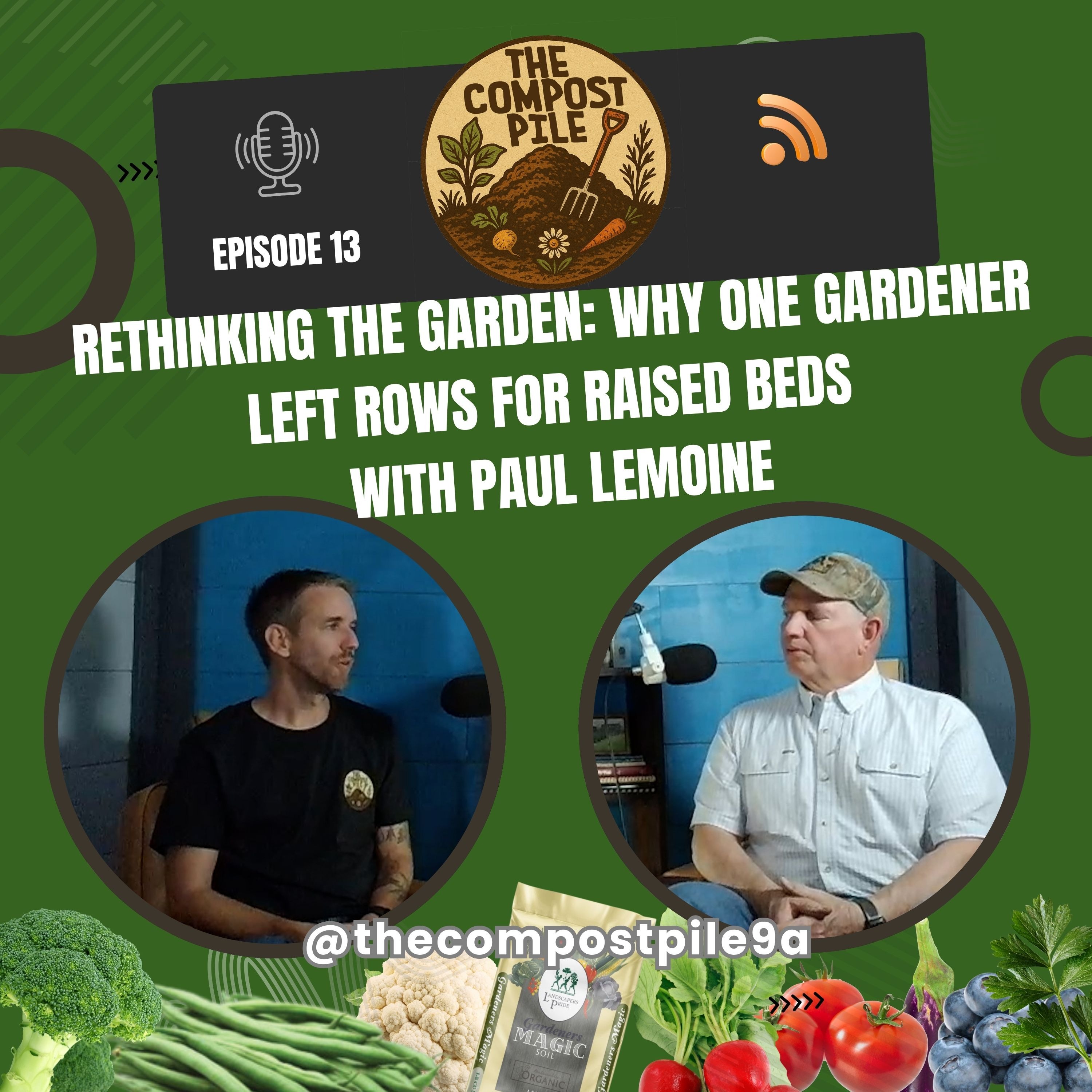
In a recent discussion on "The Compost Pile," gardener Paul Lemoine shared his journey and insights regarding the shift from conventional row gardening to the use of raised beds. This conversation aimed to provide a practical, experience-based comparison of these two popular gardening methods, moving beyond theoretical advantages and disadvantages to focus on real-world applications.
Lemoine's transition was prompted by a desire to optimize his gardening efforts and address some of the challenges inherent in traditional row cultivation. One of the primary benefits he identified with raised beds is significantly improved drainage. In many soil conditions, especially those with heavy clay or poor percolation, water can accumulate, leading to root rot and other issues. Raised beds, by their very nature, allow for the creation of a custom soil mix that ensures excellent drainage, preventing waterlogging and promoting healthier root development.
Another key advantage highlighted was the maximization of growing space. While rows require pathways between them, which can take up a considerable portion of the garden area, raised beds often allow for more intensive planting. Their defined boundaries enable gardeners to plant crops closer together, utilizing every square foot efficiently. This is particularly beneficial for smaller gardens or urban settings where space is at a premium. The ability to plant more densely without compromising plant health was a significant factor in Lemoine's decision.
The discussion also touched upon the increased crop diversity that raised beds can facilitate. By creating distinct growing environments within each bed, gardeners can tailor soil conditions to suit specific plants. For instance, one bed might be amended for acid-loving plants, while another is optimized for vegetables that prefer alkaline soil. This level of control is more challenging to achieve in a large, undifferentiated row garden, where soil amendments tend to be applied more broadly. This flexibility allows for a wider variety of crops to thrive simultaneously in a single garden area.
Furthermore, Lemoine found that raised beds contribute to more efficient garden management. The elevated nature of the beds reduces the need for bending and kneeling, making tasks like planting, weeding, and harvesting less physically demanding. This ergonomic benefit can be particularly appealing to gardeners with mobility issues or those who simply prefer a more comfortable gardening experience. Weeding, in particular, becomes less arduous as the soil in raised beds tends to be looser and less compacted, making it easier to remove unwanted plants. The defined edges of the beds also help to contain the growing area, reducing the spread of weeds from surrounding areas.
Despite these numerous advantages, the conversation also acknowledged the enduring merits of traditional row gardening. For large-scale operations or those with ample land, row gardening can still be the most practical and cost-effective method. Establishing and maintaining extensive raised bed systems can be a significant initial investment in terms of materials and labor. Row gardening, in contrast, often requires less upfront cost and can be more easily adapted to large areas using machinery for tilling and planting. The simplicity of rows also appeals to some gardeners who prefer a more traditional approach or who are working with very large plots where the individual attention required by raised beds might be impractical.
Ultimately, the discussion aimed to provide a balanced perspective, helping gardeners weigh the pros and cons of each method based on their specific circumstances. Factors such as available space, soil quality, personal physical capabilities, and gardening goals all play a crucial role in determining whether raised beds or traditional rows are the most suitable choice. Lemoine's experience offers a valuable real-world case study for anyone contemplating a similar transition or simply seeking to optimize their gardening practices.