Safe Salsa Canning: Acidity is Key for Preservation
By More than Gardening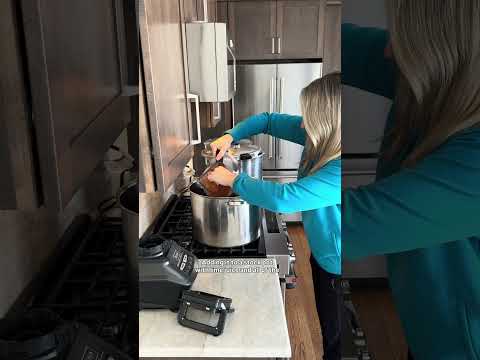
TL;DR: To safely can homemade salsa, prioritize acidity by adding bottled lemon juice, lime juice, or vinegar to prevent spoilage and inhibit harmful bacteria.
- Acidity is key for safe salsa canning.
- Use bottled acidifiers, not fresh juices.
- Follow tested recipes precisely.
- Mind low-acid vegetable ratios.
- Water bath canning is crucial.
Why it matters: Ensuring proper acidity in home-canned salsa prevents the growth of dangerous bacteria like Clostridium botulinum, safeguarding your health and preserving your food effectively.
Do this next: Add 1 tablespoon of bottled lemon juice or 2 tablespoons of 5% vinegar per pint of salsa before canning.
Recommended for: Home cooks interested in safely preserving garden produce into delicious, shelf-stable salsa.
The provided article, "Canning salsa! salsarecipe canningsalsa homemadesalsa" from More than Gardening, details the process of safely canning homemade salsa, emphasizing the critical role of acidity in preventing spoilage and ensuring food safety. The article explains that while many home cooks enjoy making salsa from fresh ingredients, canning it requires careful attention to pH levels, as tomatoes, the primary ingredient, can vary significantly in their natural acidity.
To address this variability, the article recommends adding an acidifying agent to all salsa recipes intended for canning. Common choices include bottled lemon juice, bottled lime juice, or vinegar. The key is to use bottled juices or vinegars with a known and consistent acidity level, rather than fresh lemon or lime juice, which can fluctuate in pH. For vinegar, white vinegar or cider vinegar with at least 5% acidity is specified. The general guideline provided is to add one tablespoon of bottled lemon juice or two tablespoons of 5% vinegar per pint jar of salsa, or two tablespoons of bottled lemon juice or four tablespoons of 5% vinegar per quart jar. This acidification step is crucial because it lowers the overall pH of the salsa to a level that inhibits the growth of harmful bacteria, particularly Clostridium botulinum, which can thrive in low-acid, anaerobic environments like sealed jars.
The article further outlines the importance of following a tested recipe for canning salsa. It advises against improvising with ingredient ratios, especially concerning the proportions of low-acid vegetables like onions, peppers, and garlic, relative to high-acid ingredients like tomatoes and the added acid. Altering these ratios can inadvertently raise the pH of the salsa above safe canning levels. For instance, adding too many low-acid vegetables without proportionally increasing the acidifier can compromise the safety of the canned product.
Regarding the canning method itself, the article specifies that salsa must be processed in a boiling water canner. Pressure canning is not recommended for salsa, as the high temperatures can degrade the quality and texture of the salsa without providing additional safety benefits beyond proper acidification and boiling water processing. The boiling water canning process involves filling hot jars with hot salsa, leaving appropriate headspace, removing air bubbles, wiping jar rims, applying lids and bands, and then submerging the jars in boiling water for a specified duration. The processing time varies depending on altitude and jar size, and the article stresses the importance of consulting reliable canning guides for precise times.
The article also touches upon common pitfalls in homemade salsa canning. One significant error is attempting to can salsa that is too thick. Thick salsa can create "cold spots" in the jar, where heat penetration during processing is insufficient to kill all spoilage microorganisms. To avoid this, the article suggests ensuring the salsa has a consistent, pourable consistency. Another point of emphasis is the quality of ingredients; using fresh, blemish-free produce is essential for both flavor and safety. Overripe or damaged tomatoes, for example, can have a higher pH and may introduce undesirable microorganisms.
In summary, the article provides a comprehensive guide to safely canning homemade salsa, with a strong focus on the scientific principles of food preservation. It underscores the non-negotiable requirement of adding a measured amount of bottled acid to ensure a safe pH, the necessity of adhering to tested recipes, and the correct application of the boiling water canning method. These steps are presented as fundamental to producing a shelf-stable and safe product, preventing foodborne illnesses, and allowing home canners to enjoy their homemade salsa throughout the year.
Source: youtube.com
Related Analysis
- Farms Build Resilience, Pivot to Regenerative Soil — New initiatives and analysis explicitly frame regenerative agriculture as a direct solution for climate resilience, focu…
- Federal Policy Pivots, Builds Indigenous Agriculture Frameworks — Federal policy trends are integrating Indigenous knowledge with soil science in regenerative agriculture, shifting polic…
Related on PermaNews
- Chris Locke - Fermentation Is the Zero-Waste Key: Turning Juiced Limes into Four Products at Baldío (Video)
- Sicher Einkochen: Drucktopf-Methoden für resiliente Vorräte 2024/25 (How-To Guide)
- Solarrauchkammer bauen: Fleisch & Fisch nachhaltig räuchern (How-To Guide)
- Holzers Fermentations-Guide: Gemüse & Sauerkraut haltbar machen (How-To Guide)
- Ökohof: 500 kg Gemüse – Fermentation & Co. für Resilienz (Case Study)
- 18th-Century Food Preservation: Off-Grid Lessons from Colonists (Article)
Explore more in Food Systems & Growing — the full hub for this knowledge area.