Basement to Backyard: 3-Year Build for Dream CA Tiny Home
By Kirsten Dirksen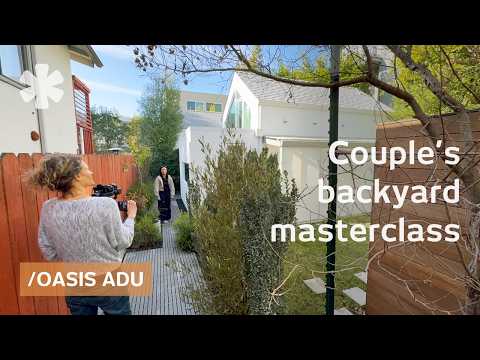
PermaNews Brief
Key Takeaways
A California couple self-built a sustainable backyard home after three years of basement living, focusing on efficiency and personalized design.
- Personal values drive sustainable home design.
- Living on-site offers hands-on building experience.
- Careful planning integrates indoors and outdoors.
- Custom features optimize small living spaces.
- Hands-on builds teach project management skills.
Why It Matters
Self-building can create deeply personalized, sustainable living spaces, aligning homes with individual values and environmental goals.
What to Do Next
Research local zoning laws for backyard dwelling construction to understand feasibility in your area.
Recommended for: Anyone interested in self-building, sustainable living, or transforming small spaces into highly functional homes.
A couple in California embarked on an ambitious project to construct their ideal backyard dwelling, a journey that involved living in a basement for three years. Their motivation stemmed from a desire to create a home that was not only aesthetically pleasing but also highly functional and sustainable, reflecting their personal values and long-term vision for their living space.
The initial phase of their project involved extensive planning and design. They meticulously considered every aspect of the new structure, from its architectural style to the materials they would use. Their goal was to maximize space efficiency and incorporate elements that would reduce their environmental footprint. This included thoughtful consideration of natural light, ventilation, and insulation to minimize energy consumption. They also focused on creating a seamless integration between the indoor and outdoor living areas, recognizing the importance of their backyard as an extension of their home.
During the construction period, the couple made the unconventional decision to reside in the basement of their existing property. This allowed them to be intimately involved in every stage of the building process, overseeing the work firsthand and making real-time adjustments as needed. While living in a basement presented its own set of challenges, it also offered a unique perspective and fostered a deeper connection to the project. They learned valuable lessons about construction, project management, and the intricacies of building a home from the ground up. This hands-on approach was crucial in ensuring that the final product aligned perfectly with their vision.
The design of their new backyard home emphasized open-plan living, with a focus on creating versatile spaces that could adapt to their evolving needs. They incorporated custom-built features and innovative storage solutions to make the most of the available area. The material selection was also a key aspect of their sustainable approach, opting for durable, locally sourced, and recycled materials whenever possible. This commitment to sustainability extended to their landscaping choices, where they aimed to create a biodiverse and water-efficient garden that complemented the new structure.
Upon completion, the backyard home stood as a testament to their dedication and meticulous planning. It featured a modern yet warm aesthetic, with abundant natural light and a strong connection to the surrounding environment. The interior spaces were designed to be both comfortable and highly functional, reflecting a minimalist approach that prioritized quality over quantity. The outdoor areas were equally well-considered, providing spaces for relaxation, entertaining, and cultivating a small garden.
The couple's journey from living in a basement to realizing their dream backyard home highlights the potential for innovative and sustainable living solutions. Their experience demonstrates that with careful planning, perseverance, and a commitment to personal values, it is possible to create a living space that is not only beautiful and functional but also deeply reflective of one's aspirations for a more sustainable lifestyle. Their project serves as an example of how individuals can take an active role in shaping their environment to better suit their needs and contribute to a more sustainable future.
Source: youtube.com
Related Analysis
- Natural Builders Swap Whole-Structure Cob for Hybrid Wall Systems — Several sources suggest natural builders are dividing straw bale and cob by solar orientation within single homes—a func…
- Earthship Builders Pioneer First Passive House Certified Projects — Early 2025 evidence shows PHI-certified earthship retrofits and a rocket-mass-heater tiny home meeting Passive House sta…
Related on PermaNews
- Lehm-Holzbau für Permakultur: Regenerativ & robust (Forschung) (How-To Guide)
- Essential Tiny House Plans and Resources for Sustainable Living (How-To Guide)
- Rammed Earth: 2050 Sustainable Building Material Series Deep Dive (How-To Guide)
- First Passive House Design: 10 Steps for Success (PHPP) (How-To Guide)
- Passive House Success: 4 Case Studies & 5 Key Strategies (Case Study)
- NREL: Passive Solar Home Design for 20-60% Energy Savings (How-To Guide)
Explore more in Shelter, Energy & Infrastructure — the full hub for this knowledge area.