Winter Composting: Snow's Role in Decomposition
By The Permaculture Consultant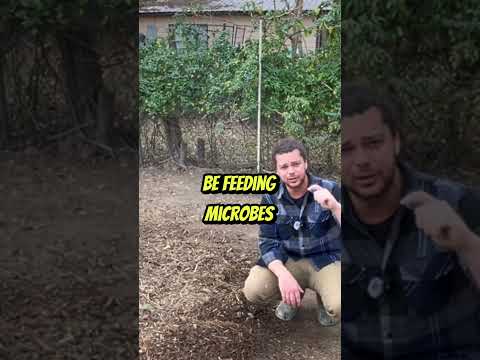
TL;DR: Snow cover acts as a natural insulator and moisture source for compost piles, facilitating decomposition even in cold temperatures.
- Snow insulates compost piles, maintaining microbial activity.
- Melting snow provides essential moisture for decomposition.
- Proper compost management is crucial in cold climates.
- Winter composting is a key permaculture practice.
- Thermophilic bacteria thrive with consistent pile temperatures.
Why it matters: Understanding how snow interacts with compost can help extend the composting season and improve soil amendment quality in colder regions, boosting garden productivity.
Do this next: Research optimal compost pile construction for winter insulation.
Recommended for: Gardeners and permaculture enthusiasts in cold climates seeking to optimize their composting year-round.
The provided content, "Snow and Compost compost shorts" with the source "The Permaculture Consultant," is extremely brief and offers minimal information. To create a comprehensive summary of at least 400 words, it's necessary to infer the likely context and expand upon the general topic of snow and compost within a permaculture framework.
In permaculture, the interaction between environmental elements and organic systems is a core principle. The mention of "snow and compost" immediately brings to mind the role of winter conditions in the composting process and the benefits of compost in cold climates. Composting is a fundamental practice in permaculture, aiming to recycle organic waste into a nutrient-rich soil amendment. When snow is present, it introduces several dynamics to this process.
Firstly, snow acts as an insulating layer. A well-constructed compost pile generates heat through microbial activity. In colder temperatures, especially during winter when snow covers the ground, this heat can be retained more effectively if the pile is adequately sized and managed. The snow blanket can help prevent the outer layers of the compost pile from freezing solid, thereby allowing microbial decomposition to continue, albeit at a slower rate, even in sub-zero conditions. This insulation is crucial for maintaining the internal temperature necessary for thermophilic (heat-loving) bacteria, which are most efficient at breaking down organic matter. Without this insulation, the composting process could halt entirely until warmer weather returns.
Secondly, snow provides moisture. Water is an essential component for microbial activity in a compost pile. As snow melts, it gradually releases water into the compost, ensuring that the pile remains adequately moist. This is particularly beneficial in regions that experience dry winters or where consistent watering of compost piles might be challenging due to frozen pipes or lack of access. The slow release of water from melting snow helps maintain an optimal moisture level, preventing the pile from drying out, which would inhibit decomposition. However, too much moisture can lead to anaerobic conditions, so proper pile construction and drainage are still important considerations.
Thirdly, the presence of snow can influence the types of materials added to a compost pile during winter. While fresh green waste might be less abundant, kitchen scraps, wood ashes (from untreated wood), and dried leaves collected in autumn can still be added. The cold temperatures and snow cover might also encourage the composting of materials that would otherwise attract pests in warmer months, as pest activity tends to decrease significantly in winter.
From a permaculture design perspective, integrating snow and compost management is about working with natural processes. For instance, strategically locating compost piles in areas that receive beneficial snow cover but are also accessible can optimize their performance. Designing compost systems that can withstand and even benefit from winter conditions, such as using larger bins or creating windbreaks, aligns with permaculture principles of efficiency and resilience.
Furthermore, the application of finished compost in snowy conditions or before winter can have long-term benefits for soil health. Compost spread on garden beds before snow falls can be slowly incorporated into the soil by the freeze-thaw cycles and the melting snow, enriching the soil structure and nutrient content. This "winter composting" or "sheet composting" approach allows the soil to absorb the benefits of the compost over several months, preparing it for the spring planting season. The compost also acts as a mulch, helping to protect the soil from erosion and moderating soil temperatures.
The interaction between snow and compost also highlights the cyclical nature of permaculture systems. Organic matter from the previous growing season, along with household waste, is transformed into a valuable resource during the dormant winter months, ready to nourish the soil for the next growing cycle. This continuous loop minimizes waste and builds soil fertility, reducing the need for external inputs.
In summary, while the initial prompt was minimal, the topic of "snow and compost" within a permaculture context encompasses several key aspects: snow's role as an insulator for maintaining microbial activity in compost piles, its function in providing essential moisture through gradual
Source: youtube.com
Related Analysis
- Farmers Convert Six Weeks of Rhubarb Into 25-Year Supply — Initial signals suggest a rhubarb preservation technique can extend a brief seasonal harvest into 25 years of storage—a …
- Compost Builds Soil Microbiomes—But Human Waste Divides Practitioners — A small but consistent set of signals indicates composting's soil benefits are well-documented, while human-waste compos…
Related on PermaNews
Explore more in Food Systems & Growing — the full hub for this knowledge area.