Climbing Yam: Endless Food in Your Permaculture Garden
By Discover Permaculture with Geoff Lawton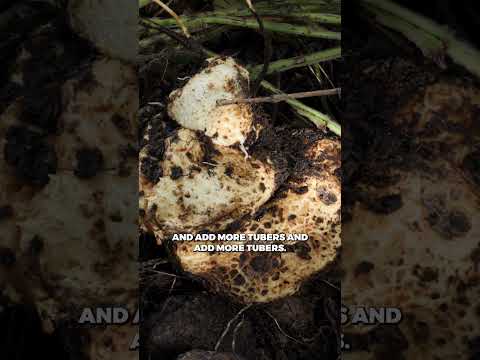
PermaNews Brief
Key Takeaways
Climbing yams offer an abundant, low-maintenance, and versatile food source, making them an excellent perennial crop for diverse permaculture systems.
- Climbing yams provide continuous, prolific food.
- They maximize vertical space in gardens.
- Tubers are starchy, nutritious, and versatile.
- Shade benefits understory plants.
- Extensive roots stabilize soil, prevent erosion.
- Climbing yams support perennial food systems.
- Require minimal ongoing maintenance.
Why It Matters
Integrating climbing yams into your garden can enhance food security and ecosystem resilience, especially in areas with limited space or challenging climates.
What to Do Next
Consider planting climbing yams to establish a perennial food source in your garden, utilizing their vertical growth habit.
Recommended for: Home gardeners and permaculture enthusiasts seeking resilient, productive, and low-maintenance food systems.
The climbing yam, a plant with significant potential for food production, offers a continuous and abundant food source, making it a valuable addition to permaculture systems and organic gardening practices. This particular yam species is recognized for its vigorous growth habit, allowing it to ascend structures and other vegetation, which maximizes its use of vertical space. This characteristic is especially beneficial in food forests or smaller garden settings where land availability might be limited.
One of the primary advantages of the climbing yam is its prolific yield. Under suitable conditions, a single plant can produce a substantial quantity of tubers, providing a consistent food supply over an extended period. These tubers are the primary edible part of the plant, offering a starchy and nutritious food source. Their versatility in the kitchen is also noteworthy, as they can be prepared in various ways, similar to potatoes or other root vegetables. This adaptability enhances their value as a staple food crop.
Beyond its direct food production, the climbing yam contributes positively to the overall health and resilience of an ecosystem. As a climbing plant, it can create shade, which is beneficial for understory plants, especially in warmer climates. This shading effect helps to reduce soil moisture evaporation and can create a more favorable microclimate for other species. Furthermore, its extensive root system can help with soil stabilization, preventing erosion, particularly on slopes.
From a permaculture perspective, the climbing yam aligns well with principles of perennial food systems and minimal intervention. Once established, it generally requires less ongoing maintenance compared to annual crops, reducing the need for repeated planting and cultivation. This perennial nature contributes to a more stable and self-sustaining food system. Its ability to thrive with minimal external inputs, such as synthetic fertilizers or pesticides, further underscores its suitability for organic gardening and ecological approaches.
The plant's resilience to various environmental conditions is another key attribute. While it prefers certain growing conditions, it can often tolerate a range of soil types and climates, making it adaptable to diverse geographical locations. This hardiness contributes to its reliability as a food source, even in challenging environments.
In summary, the climbing yam represents a highly efficient and sustainable food source. Its vigorous growth, high yield, nutritional value, and ecological benefits make it an excellent choice for permaculture practitioners, organic gardeners, and anyone interested in establishing a resilient and productive food system. Its ability to provide a continuous and abundant supply of food with minimal input positions it as a significant component in the development of self-sufficient and ecologically sound food forests.
Source: youtube.com
Related Analysis
- Rodale Institute Builds Compost-Poultry Integration Into Formal Curriculum — Rodale Institute's Sept 2026 webinar frames compost-poultry integration as a formal soil nutrient protocol, signaling a …
- Composting Advice Shifts From Chemistry to Microbial Biology — Several sources suggest composting guidance is pivoting from nutrient ratios toward microbial ecology—reframing what "go…
Related on PermaNews
- Ernst Götsch's Cacao Syntropy: Master Agroforestry Now (How-To Guide)
- Finnish Off-Grid: Rocket Mass Heater Performance in Greenhouse (Case Study)
- Berlins schwimmende Gärten: Permakultur auf dem Wasser (Case Study)
- Rodale Report 2025: Thermal Mass Boost in Solar Greenhouses (Case Study)
- AUTarcaMatricultura La Palma: Permakultur & Energieautarkie (How-To Guide)
- Earthaven Ecovillage: 30 Years Off-Grid with Hydro & Solar (Video)
Explore more in Food Systems & Growing — the full hub for this knowledge area.