Justin Rhodes: Barn Living for Self-Sufficiency
By Justin Rhodes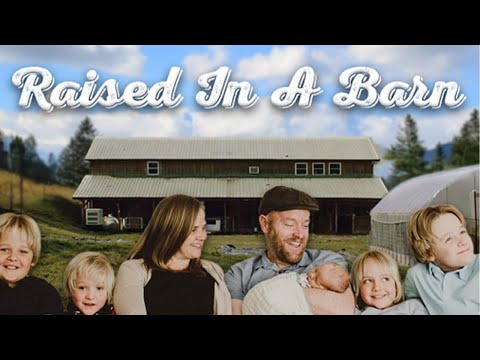
TL;DR: A barn can be a multifunctional hub for a self-sufficient homestead, integrating animal housing, food processing, and even living quarters.
- Barns offer versatile spaces for diverse homesteading activities.
- Thoughtful design enhances sustainability and energy efficiency.
- Integrate permaculture principles around the barn structure.
- Optimized land use reduces construction and resource costs.
Why it matters: Integrating various homestead functions into a single barn structure streamlines operations, minimizes infrastructure, and boosts overall resource efficiency for self-sufficiency.
Do this next: Explore how a barn could consolidate multiple functions on your property.
Recommended for: Homesteaders and permaculture enthusiasts looking to maximize efficiency and self-sufficiency through integrated barn design.
The article "Raised In A Barn" by Justin Rhodes discusses the practicalities and benefits of utilizing barn structures for various homesteading and agricultural purposes, emphasizing their versatility and potential for creating a self-sufficient lifestyle. The author delves into the different ways a barn can be integrated into a permaculture design, moving beyond its traditional role as merely a shelter for livestock or storage for hay.
One key aspect highlighted is the multi-functional nature of a barn. It can serve as a central hub for a homestead, housing not only animals like chickens, goats, or even larger livestock, but also incorporating spaces for food processing, tool storage, and even human living quarters. This integrated approach minimizes the need for multiple separate structures, optimizing land use and reducing construction costs. The article suggests that a well-designed barn can become a microcosm of the entire homestead, with different zones dedicated to various activities, much like a permaculture zone system.
The author also touches upon the importance of thoughtful design in barn construction or renovation. Considerations such as natural ventilation, passive solar heating, and rainwater harvesting are presented as crucial elements for creating an energy-efficient and sustainable structure. For instance, strategically placed windows and vents can regulate temperature and airflow, reducing reliance on artificial climate control. Similarly, a robust rainwater collection system on the barn roof can provide a significant water source for animals, gardens, and other homestead needs, lessening dependence on external water supplies.
Furthermore, the article explores the potential for incorporating permaculture principles directly into the barn's immediate surroundings. This could involve establishing perennial food forests or edible landscapes around the barn to provide fodder for animals, shade, and additional food for humans. The waste products from the barn, such as manure, are also discussed as valuable resources that can be composted and used to enrich the soil in these surrounding gardens, closing nutrient loops and enhancing soil fertility.
The author emphasizes that a barn can be a dynamic and evolving space. As a homestead grows and its needs change, the barn can be adapted and reconfigured to accommodate new functions. This adaptability is a core permaculture principle, allowing for flexibility and resilience in the face of changing circumstances. For example, a section initially used for storing equipment might later be converted into a mushroom cultivation area or a small workshop.
Beyond the practical aspects, the article also subtly conveys the idea of a barn as a symbol of a grounded, self-reliant lifestyle. It represents a connection to the land, to animal husbandry, and to the processes of food production. The act of "raising" a barn, whether literally constructing it or metaphorically developing its functions, is presented as an integral part of building a resilient and sustainable homestead. The overall message is that a barn, when approached with a permaculture mindset, can be far more than just a building; it can be a living, breathing component of a thriving ecosystem.