Fixing Artificial Grass on Walls: A PermaNews Guide
By Ricardo Orlando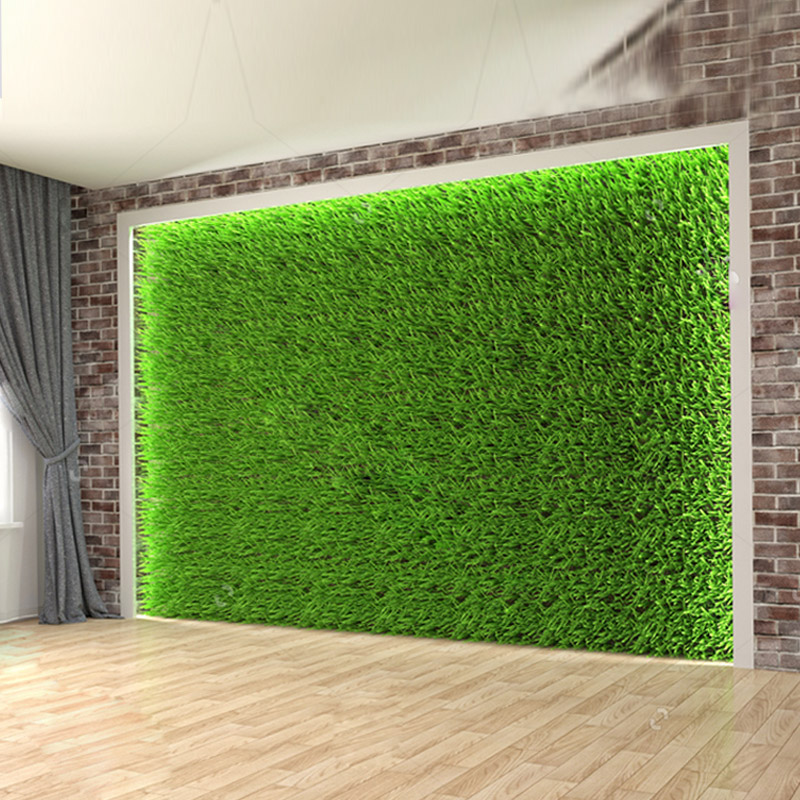
TL;DR: Artificial grass walls offer a low-maintenance way to add greenery to various spaces, requiring careful installation for a secure and attractive finish.
- Prepare wall surface by cleaning and addressing imperfections.
- Measure precisely, cut panels slightly larger, then trim.
- Use appropriate adhesive or fasteners for secure attachment.
- Consider wall type and desired permanence for method choice.
- Achieve a seamless and visually appealing result.
Why it matters: Artificial grass walls provide an aesthetic, nature-friendly look without the high maintenance of live plants, enhancing both residential and commercial environments.
Do this next: Assess the wall you intend to green: clean, repair, and measure it to plan your artificial grass installation.
Recommended for: Homeowners, business owners, and DIY enthusiasts looking to enhance their spaces with a green, low-maintenance wall feature.
Artificial grass walls, often referred to as grass fences, are a popular decorative element found in various settings, from residential homes to commercial establishments like cafes, hotels, and restaurants. Their widespread use stems from their aesthetic appeal and the perception of being a nature-friendly product. These installations offer a way to introduce a green, natural look to spaces without the maintenance demands of live plants.
The process of installing artificial grass on a wall typically involves several key steps to ensure a secure and visually pleasing result. Before beginning, it's crucial to gather the necessary tools and materials. This usually includes the artificial grass panels or rolls, a measuring tape, a utility knife or strong scissors, adhesive suitable for outdoor use (if applicable), screws or nails, a drill, and potentially a staple gun, depending on the wall surface and the chosen installation method.
The first step is always to prepare the wall surface. This involves cleaning it thoroughly to remove any dust, dirt, or debris that could interfere with adhesion or attachment. If the wall has any imperfections, such as cracks or uneven areas, these should be addressed to create a smooth and stable base for the artificial grass. For outdoor applications, ensuring the wall is dry is also important to prevent moisture-related issues.
Next, accurate measurements of the wall area are essential. This allows for precise cutting of the artificial grass panels, minimizing waste and ensuring a seamless fit. It's often recommended to cut the panels slightly larger than needed and then trim them to the exact dimensions once they are in place. This provides a margin for error and helps achieve a neat finish.
There are several methods for attaching artificial grass to a wall, each suited to different wall types and desired levels of permanence. One common approach involves using a strong, weather-resistant adhesive. The adhesive is applied to the back of the artificial grass panels or directly to the wall surface, and then the panels are carefully pressed into place. This method is often preferred for smoother surfaces and when a very flush, seamless look is desired.
Another method involves mechanical fasteners. For wooden walls or surfaces where screws or nails can be easily driven, these can be used to secure the artificial grass. Staples, applied with a heavy-duty staple gun, can also be effective, particularly for attaching the grass to a wooden frame or backing board that is then mounted to the wall. When using mechanical fasteners, it's important to space them evenly to distribute tension and prevent sagging or bulging of the grass.
For more robust installations, especially on larger walls or in areas exposed to strong winds, a combination of adhesive and mechanical fasteners might be employed. This dual approach provides maximum security and longevity. Some artificial grass products come with a mesh backing that can be directly screwed or stapled, simplifying the attachment process.
Once the artificial grass panels are attached, the final step involves trimming any excess material and ensuring all edges are neat and flush. This attention to detail contributes significantly to the overall aesthetic of the finished wall. For a truly professional look, some installers might also use specialized edge trim or molding to conceal the cut edges of the artificial grass.
The benefits of using artificial grass on walls extend beyond aesthetics. It offers a low-maintenance alternative to living walls, requiring no watering, fertilizing, or pruning. It is also durable and weather-resistant, making it suitable for both indoor and outdoor environments. The ability to customize the size and shape of the grass panels allows for creative design possibilities, transforming ordinary walls into vibrant, green features.