No-Till: Potting Up & Broadforking for Soil Health
By No-Till Growers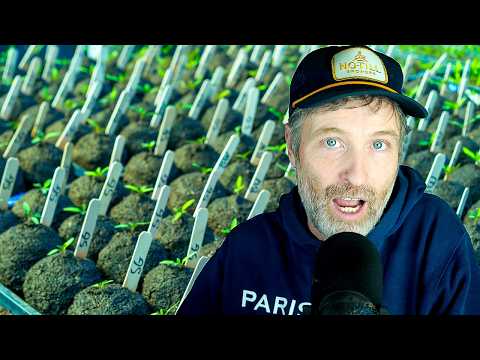
PermaNews Brief
Key Takeaways
Mastering potting-up and broadforking techniques significantly boosts plant health and soil vitality in no-till gardening.
- Proper potting prevents transplant shock and encourages robust root growth.
- Choose pot sizes based on plant maturity to avoid stunted growth.
- Handle seedlings by leaves, not stems, to prevent damage.
- Broadforking improves soil aeration and drainage without tilling.
- Optimal timing and technique are crucial for broadforking efficiency.
Why It Matters
These techniques are fundamental for successful no-till gardening, directly improving plant establishment and long-term soil health.
What to Do Next
Review your current potting-up process to ensure you are handling seedlings by their leaves and providing adequate pot progression.
Recommended for: Home gardeners and small-scale farmers seeking to improve their success with no-till practices.
The article from No-Till Growers provides a detailed guide on two distinct but equally important aspects of sustainable gardening and farming: proper potting techniques for seedlings and an efficient, ergonomic method for using a broadfork.
The first section focuses on optimizing the potting-up process for young plants, emphasizing techniques that promote robust growth and minimize transplant shock. It highlights the importance of selecting the right pot size for different stages of growth, explaining that starting seeds in smaller cells and then transplanting them into progressively larger containers as they mature encourages a strong root system. The author suggests that a common mistake is potting up too early or too late, both of which can lead to stunted growth or root bound plants. The ideal timing for potting up is when the plant has developed its first true leaves and its root system is beginning to fill its initial container, but before it starts circling the pot.
The article delves into the specifics of the potting medium, advocating for a high-quality, well-draining mix that provides adequate nutrients. It advises against using garden soil directly for potting, as it can be too heavy, harbor pathogens, and lack the necessary aeration for young roots. When transferring seedlings, the technique involves gently loosening the plant from its original cell, handling it by its leaves rather than its delicate stem to prevent damage. The new pot should be partially filled with potting mix, the seedling carefully placed, and then more mix added around the roots, ensuring there are no air pockets. A light watering after potting helps settle the soil and provides initial moisture. The author also touches upon the importance of proper labeling and providing adequate light and humidity after transplanting to help the seedlings acclimate to their new environment. The overall goal is to create conditions that allow the plant to continue growing without interruption, leading to healthier, more productive mature plants.
The second part of the article shifts focus to the broadfork, a valuable tool for soil aeration and preparation in no-till systems. It presents a method for using the broadfork that prioritizes efficiency, effectiveness, and ergonomic considerations, humorously dubbed "broadforking like a nerd." The core principle is to maximize the broadfork's leverage and minimize physical strain. This involves a specific stance and movement pattern. The user should stand with feet shoulder-width apart, positioning the broadfork's tines perpendicular to the ground. Instead of relying solely on arm strength, the technique emphasizes using body weight to drive the tines into the soil.
Once the tines are fully inserted, the broadfork is rocked back and forth using the handles as levers, creating fissures and aerating the soil without inverting the soil layers. This preserves the soil structure, microbial life, and organic matter that are crucial in no-till practices. The article stresses the importance of taking small, deliberate steps across the bed, overlapping each broadforking pass slightly to ensure thorough coverage. It also advises against forcing the broadfork into overly compacted or rocky soil, suggesting that multiple passes or pre-loosening with another tool might be necessary in such cases. The "nerd" aspect comes from the meticulous attention to detail in technique, aiming for maximum soil benefit with minimal physical exertion, thereby making the broadforking process more sustainable for the gardener's body over time. The author concludes by reiterating that both proper potting and efficient broadforking are foundational practices for building healthy soil and cultivating strong plants in a sustainable agricultural context.
Source: youtube.com
Related Analysis
- Baltimore Researchers Reject Yield as Urban Farm Success Metric — Several sources suggest urban agriculture is being recast from food supplement to food sovereignty tool, with peer-revie…
- Urban Food Forest Tours Signal Shift From Passive Gardens — Several initiatives indicate urban food forests are evolving into hands-on design and education hubs — distinct from con…
Related on PermaNews
- Essential Role of Topsoil in Earth's Life Systems (Video)
- Hugelkultur Showdown Featuring Paul Wheaton and Beau Davidson (Video)
- Soil Health Secret: Fix Soil Forever With This One Amendmen (Video)
- Regenerative Farms Ditch Fertilizer, Thrive for Years (Video)
- Weedkiller-Exposed Farm Soil: Superbug Hotbed? (Article)
- Bodenkohlenstoff: Permakultur als Klimaretter? (How-To Guide)
Explore more in Food Systems & Growing — the full hub for this knowledge area.