Smaller Wood in Hugelkultur: Nitrogen Immobilization Concerns
By paul wheaton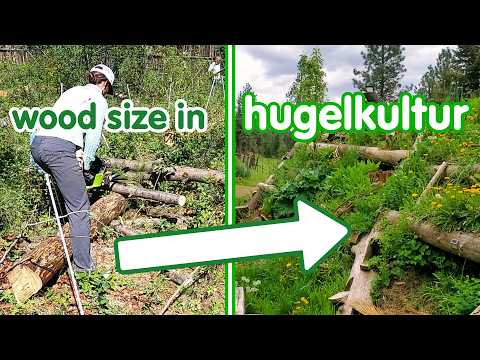
TL;DR: Smaller wood in hugelkultur beds can temporarily deplete soil nitrogen, impacting plant growth more significantly than larger wood.
- Small wood boosts microbial activity, increasing nitrogen demand.
- Nitrogen immobilization is more pronounced with smaller wood.
- Larger wood decomposes slower, causing less nitrogen tie-up.
- Wood size matters for plant growth in hugelkultur beds.
Why it matters: Understanding how wood size affects nitrogen availability helps optimize hugelkultur beds for plant health and productivity, preventing initial nutrient deficiencies.
Do this next: Consider using larger wood pieces in hugelkultur beds if planting nitrogen-hungry crops.
Recommended for: Gardeners and permaculture practitioners creating hugelkultur beds who want to optimize nitrogen availability for their plants.
Hugelkultur, a gardening technique that involves burying woody material to create raised beds, is often lauded for its ability to improve soil fertility and water retention. However, research suggests that the size of the wood used in these beds can significantly impact nitrogen availability, particularly in the initial stages of decomposition. A study investigating the effects of wood size on nitrogen dynamics within hugelkultur beds revealed that smaller wood pieces lead to a more pronounced and prolonged period of nitrogen immobilization compared to larger wood pieces.
Nitrogen immobilization is a natural process where microorganisms consume available nitrogen as they break down organic matter. When the carbon-to-nitrogen (C:N) ratio of the organic material is high, as is the case with wood, microorganisms require additional nitrogen from the surrounding environment to fuel their decomposition activities. This temporarily reduces the amount of nitrogen available for plant uptake.
The study's findings indicate that smaller wood, due to its increased surface area relative to its volume, provides a more accessible food source for decomposer microorganisms. This enhanced accessibility accelerates microbial activity and, consequently, increases their demand for nitrogen. As a result, smaller wood pieces lead to a more rapid and extensive draw-down of soluble nitrogen from the soil, effectively "tying up" this essential nutrient for a longer duration. In contrast, larger wood pieces decompose more slowly, leading to a more gradual and less intense period of nitrogen immobilization.
This phenomenon has important implications for hugelkultur practitioners. When constructing hugelkultur beds, especially those intended for planting nitrogen-demanding crops in the short term, the choice of wood size becomes a critical consideration. Using predominantly smaller wood could lead to initial nutrient deficiencies for plants, potentially stunting their growth or requiring supplemental nitrogen fertilization. Conversely, incorporating larger wood pieces might result in a more balanced nitrogen release over time, as the slower decomposition rate allows for a more sustained availability of nutrients.
The research suggests that a strategic approach to wood selection in hugelkultur could optimize nutrient cycling. A mix of wood sizes might offer a compromise, providing some immediate benefits from smaller wood while ensuring a longer-term nutrient supply from larger pieces. Alternatively, if smaller wood is preferred for its other benefits, such as faster initial water retention or quicker bed establishment, gardeners might need to anticipate and mitigate potential nitrogen deficiencies through careful plant selection or the addition of nitrogen-rich amendments.
Understanding the relationship between wood size and nitrogen immobilization is crucial for maximizing the effectiveness of hugelkultur. By considering these microbial processes, gardeners can make informed decisions about the materials they use, ultimately leading to healthier soil and more productive plant growth in their hugelkultur systems. This insight underscores the complexity of soil ecosystems and the importance of mimicking natural processes to achieve sustainable gardening outcomes.