Protect Lettuce: Install Shade Cloth for Cooler Growth
By Ricardo Orlando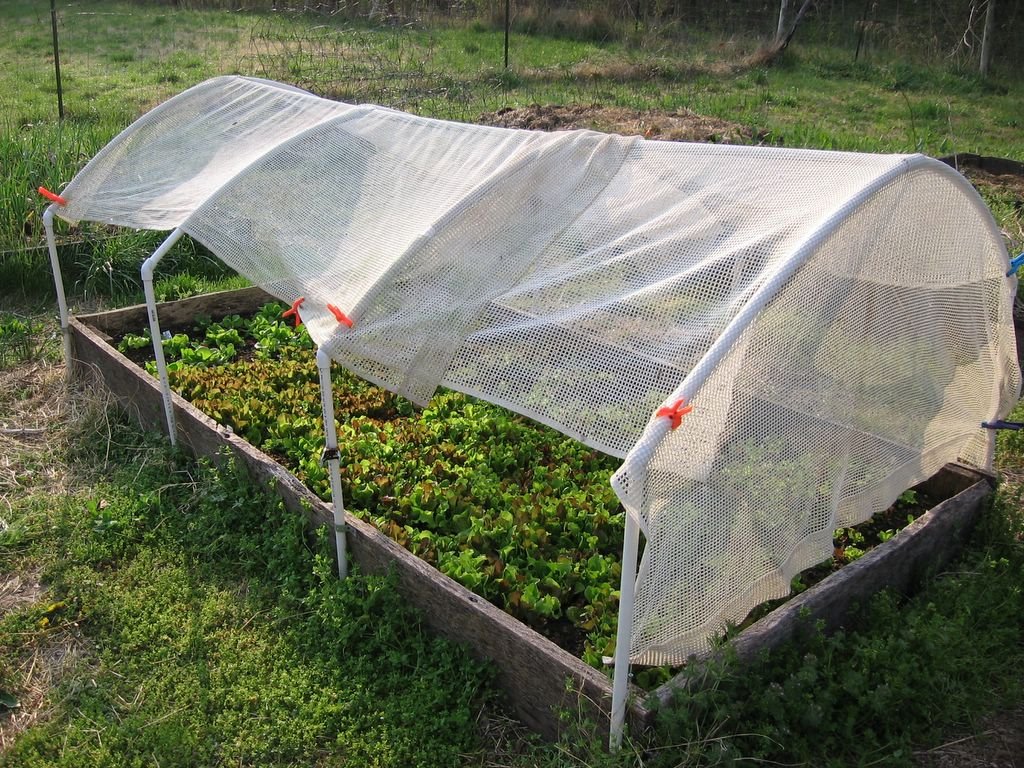
TL;DR: Protect lettuce from heat stress and wilting by installing a shade cloth using readily available materials and a simple support structure.
- Lettuce requires cooler conditions to thrive.
- Shade cloth prevents sun damage and wilting.
- Gather shade cloth, supports, and fasteners.
- Measure garden area before constructing frame.
- Ensure shade cloth is 18-24 inches above plants.
Why it matters: High temperatures can quickly degrade the quality and yield of your lettuce crop, making shade cloth a simple and effective solution for a continuous harvest.
Do this next: Assess your garden's sun exposure during peak hours to determine if shade is needed for heat-sensitive plants.
Recommended for: Home gardeners looking to improve lettuce yields and extend their growing season in warm climates.
Cultivating lettuce at home offers the satisfaction of fresh produce directly from one's garden. However, lettuce thrives in cooler conditions and can experience stress and wilting when exposed to excessive heat. Implementing a shade cloth can significantly mitigate these issues, effectively shielding the plants from intense sunlight.
The process of installing a shade cloth involves several key steps to ensure its effectiveness and stability. Initially, one must gather the necessary materials. This typically includes the shade cloth itself, which comes in various densities (e.g., 30%, 40%, 50%), with the choice depending on the intensity of the local sun and the specific needs of the lettuce variety. Other essential components are support structures such as PVC pipes, wooden stakes, or metal conduit, along with connectors or fittings to assemble these supports. Fasteners like zip ties, bungee cords, or clips are also required to secure the shade cloth to the frame. Measuring tape, a saw (if cutting support materials), and a hammer or mallet (for stakes) complete the toolkit.
The first practical step is to measure the area where the lettuce is planted. This measurement will dictate the size of the shade cloth needed and the dimensions of the support structure. It's advisable to add a little extra length and width to the shade cloth to allow for overhang and secure attachment.
Next, the support structure needs to be constructed. For a simple, temporary setup, PVC pipes can be bent into hoops over the garden bed, or wooden stakes can be driven into the ground at the corners and sides of the bed. If using stakes, horizontal supports can be attached between them to create a rectangular frame. For a more robust or permanent solution, metal conduit can be used, offering greater durability. The height of the structure is important; it should be tall enough to allow the lettuce to grow without touching the cloth, typically at least 18-24 inches above the plants, to ensure adequate air circulation.
Once the frame is in place, the shade cloth can be draped over it. It's crucial to ensure the cloth covers the entire area where the lettuce is growing, providing uniform shade. The edges of the shade cloth should then be securely fastened to the support structure using zip ties, clips, or bungee cords. This prevents the wind from dislodging the cloth and ensures it remains in place, even during gusty conditions. It's also beneficial to allow for some slack in the cloth to prevent tearing and to accommodate any slight shifts in the structure.
After installation, it's important to monitor the lettuce plants to assess the effectiveness of the shade. If the plants still show signs of heat stress, a denser shade cloth might be necessary, or the existing cloth might need adjustments to provide more comprehensive coverage. Conversely, if the lettuce appears to be struggling from too little light, a less dense shade cloth could be considered, or the cloth could be temporarily removed during cooler parts of the day.
Proper maintenance of the shade cloth system is also key to its longevity and effectiveness. Regularly check the fasteners and support structure for any signs of wear or damage, especially after strong winds or storms. The shade cloth itself can be cleaned periodically to remove dust and debris, which can accumulate and reduce its light-filtering capabilities. During the off-season or when the shade is no longer needed, the cloth can be removed, cleaned, and stored properly to extend its lifespan.
By following these steps, gardeners can successfully install a shade cloth over their lettuce, creating a more favorable growing environment that promotes healthy growth and a bountiful harvest, even in warmer climates. This simple addition can significantly improve the success rate of growing cool-season crops like lettuce throughout extended periods of the year.