Syntropic Agroforestry: Accelerating Tropical Food Systems
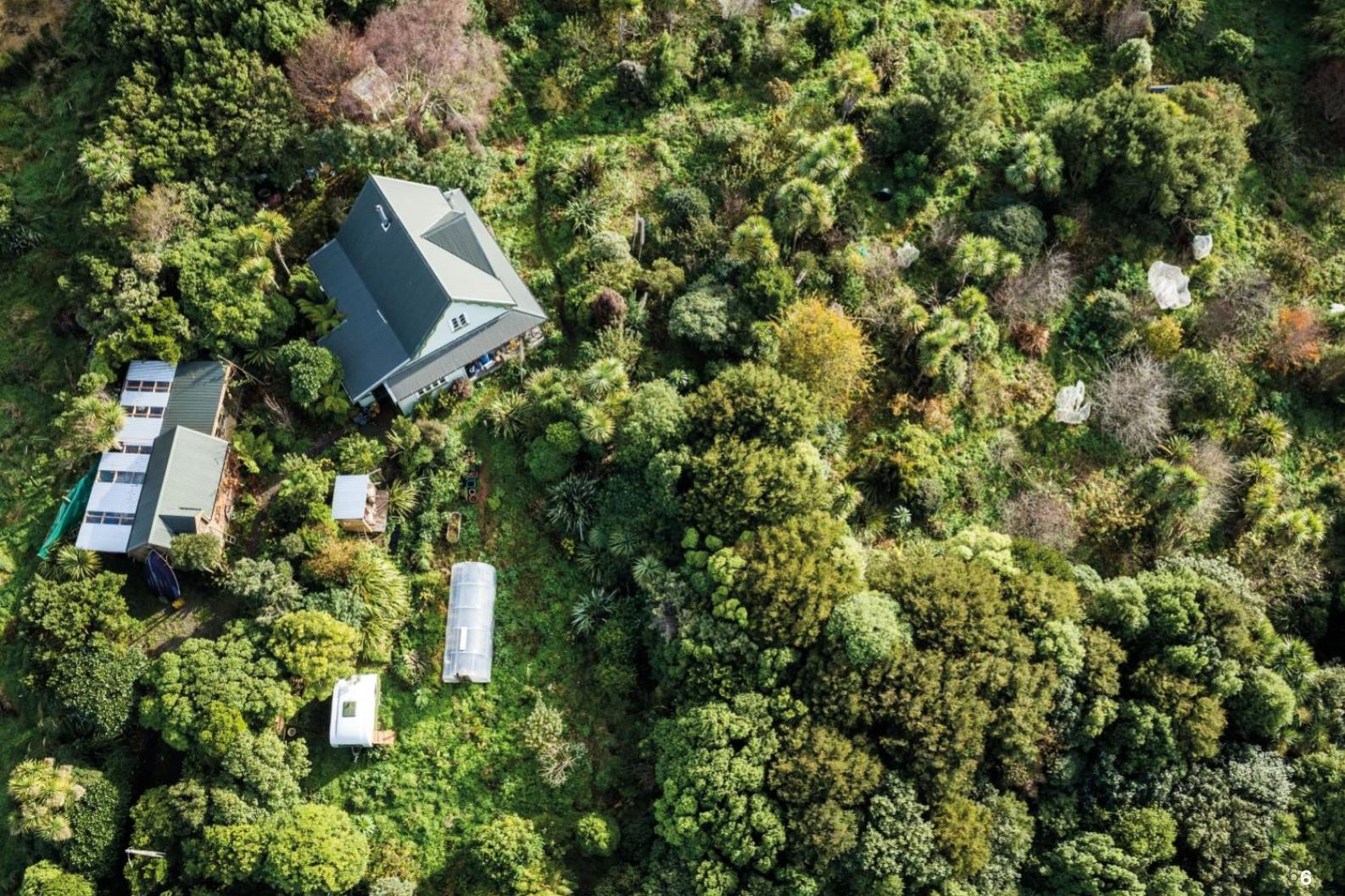
TL;DR: Syntropic agroforestry offers a regenerative path for food systems, using precise ecological mimicking to boost yields and resilience in tropical and subtropical regions.
- Mimics natural forest succession for diverse, stacked yields.
- Employs dense planting and precise pruning for rapid biomass cycling.
- Builds drought resistance and controls erosion naturally.
- Offers higher per-acre profitability than monocultures.
- Sequester carbon and reduces need for agrochemicals.
Why it matters: This approach provides a blueprint for resilient food production, ensuring long-term ecological health and economic stability in the face of climate change.
Do this next: Research local pioneer species and their biomass potential for your region.
Recommended for: Experienced farmers, land managers, and agroforestry practitioners seeking advanced regenerative strategies.
This April 2026 article explores syntropic agroforestry and forest gardening as regenerative strategies for tropical and subtropical climates, emphasizing precise pruning and planting timelines to accelerate natural ecological succession. Unlike monocrops, these systems stack multi-layer yields including food crops, fiber, fuel, and medicinal plants, while regenerating soil, enhancing biodiversity, and building resilience to climate shocks. Practical details cover implementation steps: initial dense planting of pioneer species to build biomass quickly, followed by strategic pruning to release nutrients and sunlight for understory crops, mimicking forest dynamics for rapid productivity. Benefits over conventional agriculture include superior drought resistance through improved hydrology and soil organic matter, erosion control via root networks, and diversified income from high-value outputs like fruits, nuts, timber, and herbs. The piece highlights real-world applications showing higher per-acre profitability, reduced agrochemical needs, and carbon sequestration potential, with agroforestry systems storing more soil carbon and biomass. It contrasts these with annual monocultures, noting agroforestry's advantages in weather shock resiliency—up to 49% yield loss reduction—and economic edges like lower inputs and multiple revenue streams. For practitioners, it provides methods for site assessment, species consortia selection (nitrogen-fixers, accumulators, climax species), density planning (e.g., 10,000+ stems/ha initially), and successional management timelines (pruning cycles every 3-6 months). Ecosystem regeneration is evidenced by restored habitats supporting pollinators and wildlife, positioning syntropic approaches as scalable for food system rebuilds amid climate change.