Grand Teton Ancient Grains: Regenerative Crop & Soil Revival
By Homesteading Family / Jade Koyle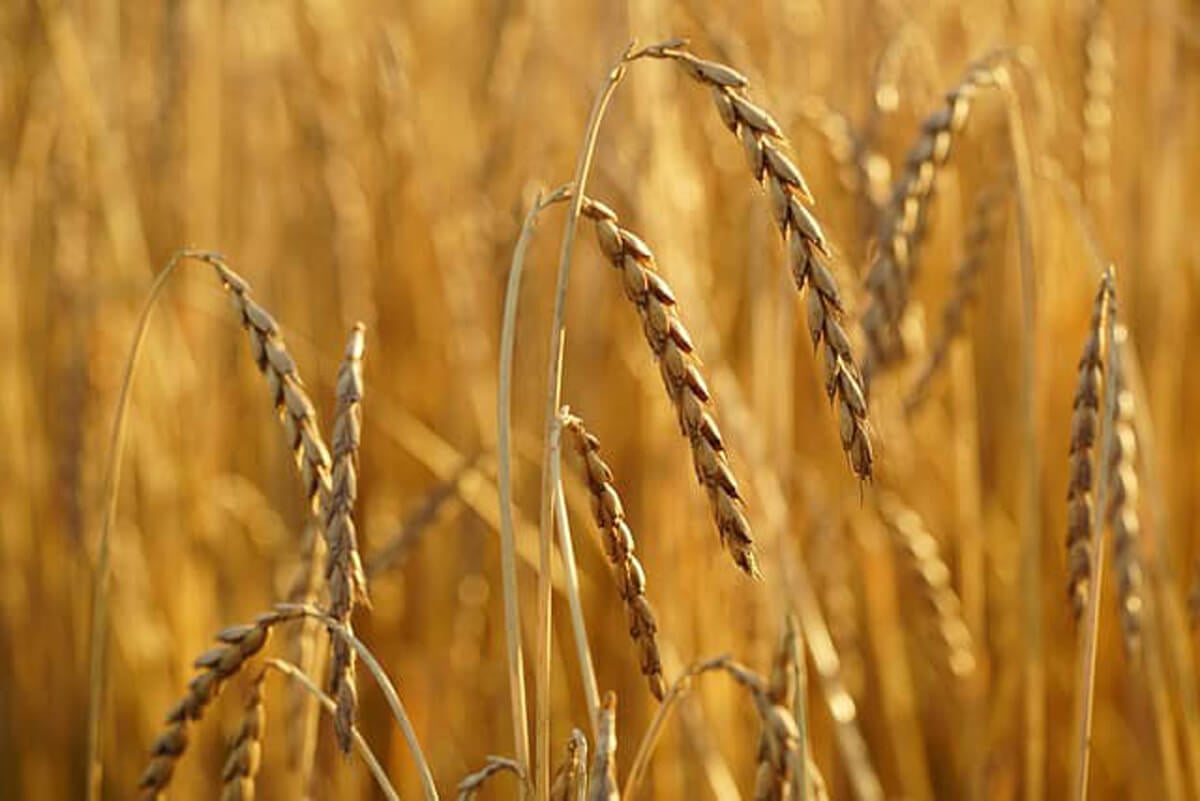
PermaNews Brief
Key Takeaways
Grand Teton Ancient Grains uses diverse regenerative farming including crop rotation, intercropping, cover crops, and compost to build soil health and grow nutritious crops.
- Rotate crops to maintain soil health and prevent nutrient depletion.
- Intercrop with legumes to fix nitrogen and reduce external inputs.
- Utilize cover crops to improve soil, prevent erosion, and suppress weeds.
- Incorporate compost and green manure for efficient nutrient cycling.
- Regenerative practices work synergistically for resilient agriculture.
Why It Matters
These integrated farming methods demonstrate how large-scale agriculture can sustainably rebuild soil health and minimize reliance on synthetic inputs, offering a scalable model for ecological and economic benefits.
What to Do Next
Research local availability and optimal planting times for nitrogen-fixing legumes to intercrop with your main crops.
Recommended for: Farmers and agricultural managers interested in practical, scalable regenerative farming techniques for soil health and reduced inputs.
Grand Teton Ancient Grains, operated by sixth-generation farmers including Jade and his family, implements a comprehensive regenerative agriculture system designed to rebuild soil health while producing nutrient-dense crops. The farm's core regenerative practices represent continuous improvement goals rather than static endpoints, with the farming team constantly making adjustments to enhance their methods. Crop rotation forms a foundational practice, with the farm rotating where various crops are grown each season to maintain soil health and prevent nutrient depletion. This rotation is combined with intercropping to return to the soil the nutrients that crops consume, ensuring viable soil that continues producing healthy crops year after year. Intercropping involves planting a secondary crop alongside the main harvest crop—while primary crops include einkorn, spelt, and Khorasan, the farm intercrops with legumes such as clover, alfalfa, and peas. These nitrogen-fixing plants naturally replenish soil nitrogen, reducing dependency on external inputs. The farm has recently begun experimenting with cover crops planted after the final harvest but before the first frost, which improve soil structure, prevent wind erosion and blowoff, and suppress weeds naturally without chemical herbicides. Compost integration plays a significant role in soil building, though the farm's 16,000-acre scale requires strategic application. Rather than applying compost across all acreage, the farm utilizes compost tea and green manure—a fertilizer consisting of growing plants plowed back into the soil—to maximize nutrient cycling efficiency. This multi-method approach demonstrates how regenerative practices work synergistically: crop rotation prevents pest buildup and nutrient depletion, intercropping with legumes fixes atmospheric nitrogen, cover crops prevent erosion while suppressing weeds, and compost/green manure cycles organic matter back into the soil. The result is a resilient agricultural system that produces more nutrient-dense crops while rebuilding soil health and reducing external input requirements.
Source: homesteadingfamily.com
Related Analysis
- High-Salt Fertilizers Block Soil Microbes, Kempf Says — High-salt fertilizers disrupt soil microbes and microbial colonization, trapping farmers in chemical dependency. Biologi…
- Fertilizer Shortage Forces Reckoning on Nitrogen Sources — Fertilizer supply crisis drives farms toward nitrogen-fixing cover crops, compost, and legume rotations as alternatives.
Related on PermaNews
- Ernst Götsch's Cacao Syntropy: Master Agroforestry Now (How-To Guide)
- Designing Regenerative Resilience: Participatory Living Labs (How-To Guide)
- Lo—TEK: Indigenous Tech for Climate Solutions (Article)
- Nakivale's Regenerative Toilets: Refugee Resilience, Circular Sanitation (Case Study)
- Pippin Home Designs: Regenerative Home Design Explained (How-To Guide)
- Federal Policy Shift: Native Regenerative Ag for Soil & Carbon (Article)
Explore more in Food Systems & Growing — the full hub for this knowledge area.