20-Second Composting: Fast & Easy Garden Fertilizer
By Huw Richards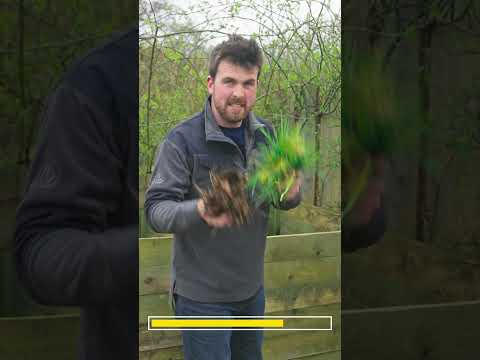
TL;DR: Composting organic waste enriches soil, reduces waste, and supports a sustainable garden ecosystem.
- Balance "greens" (nitrogen) and "browns" (carbon) for optimal decomposition.
- Locate compost pile in a shaded, accessible area, at least 3x3x3 feet.
- Alternate layers of greens and browns, starting with coarse browns.
- Maintain moisture and turn regularly for aerobic decomposition.
- Compost is ready when dark, crumbly, and earthy-smelling.
Why it matters: Composting transforms kitchen and garden waste into a valuable soil amendment, enhancing soil structure and fertility while diverting materials from landfills and reducing the need for synthetic fertilizers.
Do this next: Watch the video to see a straightforward method for creating compost and get started with your own pile today.
Recommended for: Anyone looking for a practical and efficient way to start composting and improve their garden soil.
Composting is a fundamental practice in permaculture, offering a sustainable way to manage organic waste and enrich soil. The process involves the decomposition of organic materials by microorganisms, resulting in a nutrient-rich soil amendment known as compost. This article outlines a straightforward method for creating compost, emphasizing accessibility and efficiency.
The core principle of composting revolves around balancing "greens" and "browns." Greens are nitrogen-rich materials that provide the fuel for microbial activity. Examples include fresh grass clippings, fruit and vegetable scraps, coffee grounds, and plant trimmings. Browns, on the other hand, are carbon-rich materials that provide structure and aeration to the compost pile. These include dry leaves, straw, wood chips, shredded paper, and cardboard. A general guideline suggests a ratio of roughly two to three parts browns to one part greens, though this can be adjusted based on the specific materials available.
To begin composting, a suitable location is essential. An ideal spot is a shaded area, as direct sunlight can dry out the pile too quickly, hindering decomposition. The compost pile should also be easily accessible for adding new materials and turning. While various compost bins are available commercially, a simple open pile or a DIY structure made from pallets or wire mesh can be equally effective. The size of the pile is also a factor; a pile that is too small may not generate enough heat for efficient decomposition, while an excessively large pile can become difficult to manage. A common recommendation is a pile at least three feet by three feet by three feet.
The layering technique is crucial for successful composting. It involves alternating layers of greens and browns. Starting with a base layer of coarse browns, such as small branches or wood chips, helps ensure good drainage and air circulation. Subsequent layers should alternate between greens and browns, with each layer being approximately four to six inches thick. It's beneficial to moisten each layer as it's added, aiming for a consistency similar to a wrung-out sponge. Overly wet piles can become anaerobic and produce unpleasant odors, while overly dry piles will decompose slowly.
Aeration is another vital component of the composting process. Microorganisms require oxygen to thrive and break down organic matter. Turning the compost pile regularly, typically once a week or every two weeks, helps introduce oxygen and mix the materials, promoting even decomposition. A pitchfork or a specialized compost aerator can be used for this purpose. The turning process also helps distribute moisture and heat throughout the pile.
The decomposition process generates heat, which is a good indicator that the compost pile is actively working. A well-maintained compost pile can reach temperatures of 120-160 degrees Fahrenheit, which helps kill weed seeds and pathogens. The time it takes for compost to mature varies depending on factors such as the materials used, the size of the pile, and the frequency of turning. Generally, compost can be ready in a few months to a year. Finished compost will have a dark brown, crumbly texture and an earthy smell. It should no longer resemble the original materials.
Once the compost is mature, it can be harvested and used to enrich garden beds, potted plants, or lawns. It improves soil structure, increases water retention, and provides essential nutrients for plant growth. Composting not only diverts organic waste from landfills but also contributes to healthier ecosystems by reducing the need for synthetic fertilizers and improving soil health. This method provides a practical and efficient way for individuals to participate in sustainable waste management and enhance their gardening efforts.