Urban Shift: 10 Tips for Rural-to-Louisville Living
By Ricardo Orlando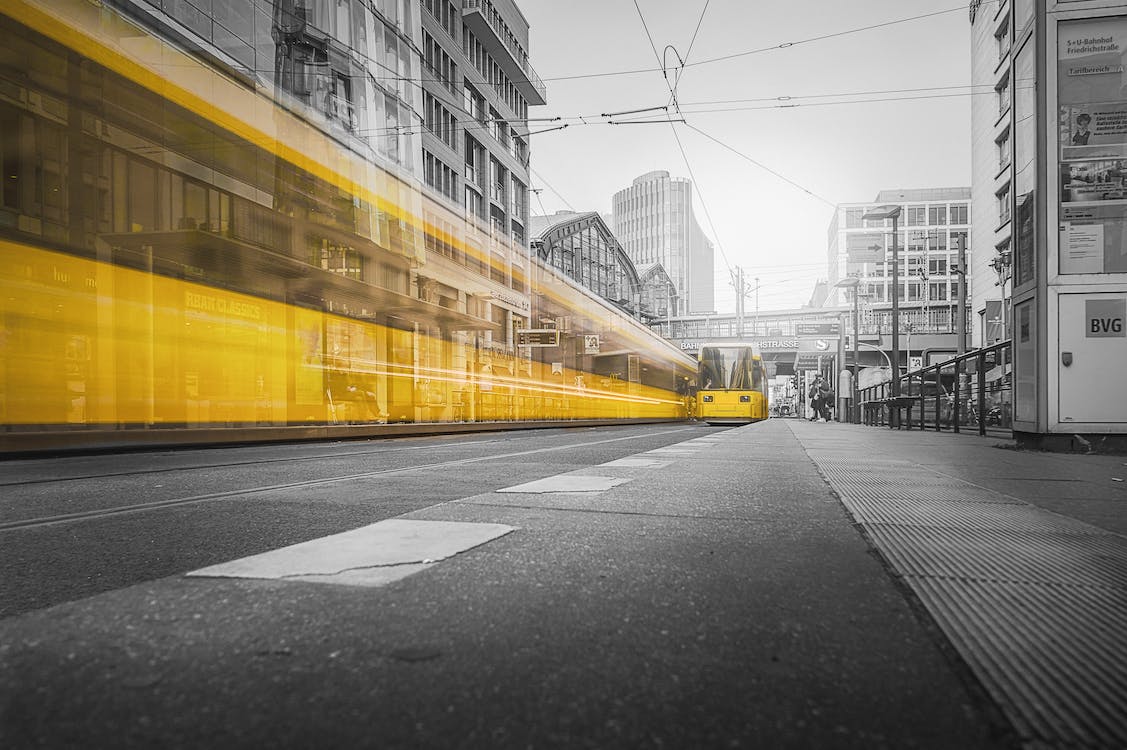
PermaNews Brief
Key Takeaways
Transitioning from rural to urban life requires adapting to new costs, transportation, and social environments.
- Budget for higher urban living expenses.
- Utilize public transportation options.
- Prepare for a faster pace of life.
- Build new social connections in the city.
- Research your new urban area thoroughly.
Why It Matters
Understanding the significant shifts between rural and urban living can ease the challenging, yet rewarding, relocation process.
What to Do Next
Research the average cost of living and public transportation options in your target city today.
Recommended for: Individuals contemplating a move from a rural to an urban environment seeking actionable preparation strategies.
Moving from a rural environment to an urban one, even within the same state, presents a significant cultural and practical shift. The transition from a quiet, spacious rural setting to the bustling, densely populated urban landscape of a city like Louisville, Kentucky, involves numerous adjustments. Understanding these differences and preparing for them can make the move smoother and more successful.
One of the most immediate and impactful changes is the cost of living. Urban areas typically have higher expenses for housing, utilities, and even everyday goods and services compared to rural regions. This necessitates a careful review of one's budget and financial planning to accommodate the increased costs. It's advisable to research average rental prices, utility rates, and general consumer prices in the target city well in advance of the move.
Transportation also undergoes a major transformation. While rural life often relies heavily on personal vehicles, urban environments frequently offer extensive public transportation networks, including buses, subways, and ride-sharing services. Adapting to these options can reduce reliance on a car, potentially saving money on fuel, insurance, and parking. However, navigating public transit systems can take some getting used to, and understanding routes and schedules is crucial.
The pace of life in urban areas is generally much faster. Rural communities often operate at a more relaxed tempo, with less emphasis on strict schedules and more on community interaction. Cities, conversely, are characterized by constant activity, tight schedules, and a sense of urgency. This shift can be overwhelming initially, and it's important to develop strategies for managing stress and finding moments of calm amidst the urban hustle.
Social dynamics also differ considerably. Rural communities often have close-knit social circles where everyone knows each other, fostering a strong sense of community. Urban environments, while offering a vast array of social opportunities, can sometimes feel more anonymous. Building a new social network in a city requires proactive effort, such as joining clubs, attending local events, or utilizing online platforms to connect with like-minded individuals.
Access to amenities and services is another key distinction. Urban areas boast a wider variety of restaurants, entertainment venues, cultural institutions, and specialized services that may be scarce or nonexistent in rural settings. This expanded access can be a significant benefit, offering new experiences and conveniences. However, it can also lead to decision fatigue and the challenge of choosing from numerous options.
Employment opportunities are often more diverse and plentiful in cities. Rural economies may be concentrated in specific industries, while urban centers typically offer a broader range of job sectors. This can be a major draw for those seeking career advancement or a change in profession. However, competition for jobs can also be higher in urban markets.
Environmental factors also play a role. Urban areas typically have more noise pollution, light pollution, and potentially poorer air quality compared to the pristine environments of rural areas. Conversely, cities often have more green spaces, parks, and community gardens, offering opportunities to connect with nature within the urban fabric.
Adjusting to the sheer density of people is another significant aspect. Rural life offers more personal space and fewer immediate neighbors. Urban living means closer quarters, more interactions with strangers, and a need to be mindful of personal boundaries in shared spaces.
Finally, the overall culture and lifestyle in urban areas can be vastly different. From fashion trends to culinary preferences and artistic expressions, cities often serve as cultural hubs, constantly evolving and offering new experiences. Embracing this cultural dynamism and being open to new perspectives can enrich the urban living experience. Preparing for these multifaceted changes, from financial planning to social adaptation, is key to a successful transition from rural to urban life.
Source: urbanfarmonline.com
Related Analysis
- Lo-TEK Institute Challenges Conventional Agriculture with Ancestral Wisdom — Indigenous practices are offering innovative frameworks for regenerative agriculture, emphasizing holistic ecological ap…
- Indigenous Ways Pioneer Regenerative Design Integration — New approaches in regenerative design and permaculture are integrating Indigenous frameworks, moving past Western-centri…
Related on PermaNews
- Berlins schwimmende Gärten: Permakultur auf dem Wasser (Case Study)
- We Grow Urban Farm: Regenerative Urban Agriculture Case Study (Video)
- Regeneratives Stadtgärtnern: Ökosysteme heilen & neu beleben (How-To Guide)
- Global Urban Food Forests: Cultivating Green Oases & Community (Article)
- Miyawaki Method: Rapid Forest Creation for Urban Green (How-To Guide)
- Climate-Resilient Urban Farming: Permaculture's Water Solutions (Case Study)
Explore more in Community, Policy & Systems Change — the full hub for this knowledge area.