Vibrant Pink Pickled Eggs: Backyard Chicken Abundance Recipe
By Good Life Permaculture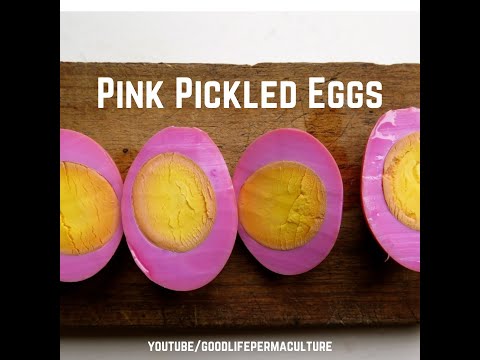
PermaNews Brief
Key Takeaways
Pink pickled eggs offer a simple, vibrant, and flavorful way to preserve eggs, particularly useful for managing surplus from backyard chickens.
- Preserves eggs with striking color.
- Uses readily available ingredients.
- Customizable spice blends.
- Simple boiling for easy peeling.
- Tangy, savory snack option.
Why It Matters
Preserving eggs extends their shelf life and prevents waste, especially beneficial for home egg producers, while adding a unique culinary twist to a staple food.
What to Do Next
Gather fresh eggs and beetroot to make a batch of pink pickled eggs.
Recommended for: Anyone with a backyard flock or an abundance of eggs looking for a simple, flavorful, and visually appealing preservation method.
This article provides a recipe for pink pickled eggs, a vibrant and flavorful snack that can be a good way to preserve eggs, especially when there's an abundance from backyard chickens. The process is relatively simple and results in eggs with a striking pink hue and a tangy, savory taste.
The recipe begins with the preparation of the eggs. It suggests using fresh eggs, ideally from a backyard flock, as these often have stronger shells and richer yolks. The eggs are first hard-boiled. The article recommends a specific method for boiling to ensure easy peeling: placing eggs in cold water, bringing it to a boil, then immediately removing from heat and letting them sit for a set amount of time before transferring to an ice bath. This rapid cooling helps to contract the egg white away from the shell membrane, making peeling much easier. Once peeled, the eggs are ready for the pickling brine.
The pickling brine is the heart of this recipe, responsible for both the color and the flavor. The primary ingredients for the brine include apple cider vinegar, water, salt, and sugar. These form the basic pickling solution. To achieve the characteristic pink color, sliced beetroot is added to the brine. The beetroot not only imparts its vibrant pigment but also contributes a subtle earthy sweetness to the overall flavor profile. Other aromatics and spices are included to enhance the taste. These typically involve bay leaves, black peppercorns, and sometimes mustard seeds or garlic cloves, depending on personal preference. The article emphasizes that the spice blend can be adjusted to suit individual tastes, allowing for customization.
The preparation of the brine involves combining all the liquid ingredients and spices in a saucepan and bringing them to a boil. Once boiling, the mixture is simmered for a few minutes to allow the flavors to meld and the salt and sugar to fully dissolve. After simmering, the brine is removed from the heat and allowed to cool completely. It's crucial that the brine is cool before adding it to the eggs, as hot brine can cook the eggs further and alter their texture.
Once the brine is cool and the eggs are peeled, the assembly process begins. The peeled hard-boiled eggs are carefully placed into clean, sterilized jars. It's important to pack the eggs snugly but without crushing them. The cooled pickling brine, along with the beetroot slices and spices, is then poured over the eggs, ensuring that all the eggs are fully submerged in the liquid. Any eggs not fully covered by the brine risk spoilage. The jars are then sealed tightly.
The article highlights the importance of proper storage and patience. The pickled eggs need time to absorb the flavors of the brine and develop their characteristic pink color. They are typically stored in the refrigerator for at least a few days, often up to a week, before they are ready to eat. The longer they sit, the deeper the color and flavor will become. The article suggests that the eggs can be stored in the refrigerator for several weeks, making them a convenient and long-lasting snack or addition to meals.
Pink pickled eggs are versatile and can be enjoyed in various ways. They can be eaten on their own as a snack, sliced and added to salads, or served as part of a charcuterie board. Their unique color and tangy flavor make them a visually appealing and interesting addition to many dishes. The recipe offers a practical method for preserving eggs while also creating a delicious and aesthetically pleasing food item.
Source: youtube.com
Related Analysis
- Regenerative Farmers Flip Cover Crop Logic From Compliance to Profit — Practitioner accounts and a new meta-analysis suggest cover cropping is being reframed from conservation practice to pro…
- Farmers Convert Six Weeks of Rhubarb Into 25-Year Supply — Initial signals suggest a rhubarb preservation technique can extend a brief seasonal harvest into 25 years of storage—a …
Explore more in Food Systems & Growing — the full hub for this knowledge area.