COP16 Cali: Indigenous Leadership for Regenerative Future
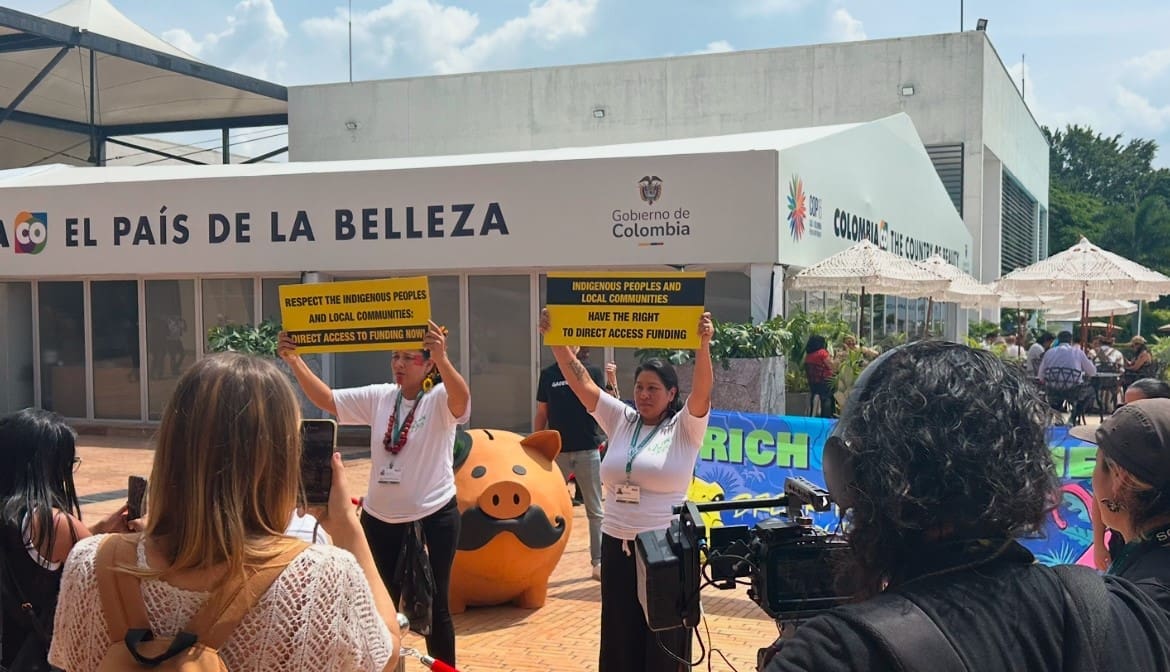
TL;DR: Indigenous knowledge and regenerative farming practices are crucial for environmental resilience and can be practically applied through methods like agroforestry to restore ecosystems and support communities.
- Indigenous knowledge is vital for resilient food systems.
- Agroforestry and polyculture restore degraded land.
- These methods boost biodiversity and climate resilience.
- Case studies demonstrate successful global implementation.
- Prioritizing native species strengthens communities.
- Integrating agroecology supports holistic health.
- Indigenous voices are essential for climate solutions.
Why it matters: Integrating Indigenous agricultural practices offers a proven path to ecological restoration, enhanced food security, and community well-being, directly addressing climate change and biodiversity loss.
Do this next: Research local Indigenous land management practices in your region and explore how they align with regenerative agriculture principles.
Recommended for: Practitioners, policymakers, and educators interested in actionable, ecologically sound, and culturally sensitive approaches to regenerative agriculture and climate resilience.
This article synthesizes insights from the 2024 U.N. Biodiversity Conference (COP16) in Cali, Colombia, establishing Indigenous knowledge as essential to environmental and food systems resilience. The piece provides specific, actionable regenerative techniques grounded in Indigenous practice, including polyculture, agroforestry, and rotational agriculture, with detailed explanation of how these methods support climate resilience, combat biodiversity loss, and prevent land degradation. The article presents concrete case studies demonstrating practical implementation: ACT's work revitalizing agroforestry systems that blend native trees and food crops to restore degraded land while supporting food sovereignty and nutritional health; FUNDAEC's regenerative food systems initiatives in Colombia that expose students to crop diversity and good nutrition; and World Wildlife Fund's deep regenerative landscape work in Nepal. The analysis explains how prioritizing native species adapted to local climates strengthens community health and food security while mitigating extreme climate event risks. The article emphasizes that these initiatives embed agroecological principles within traditional ways of life that holistically support ecosystem and community health, providing practitioners with models for integrating regenerative agriculture into cultural contexts. The piece articulates why centering Indigenous voices represents both an ethical imperative and strategic necessity for scaling climate resilience and biodiversity conservation, offering evidence that time-tested Indigenous approaches have been systematically overlooked by industrialized systems.