Miyawaki Method Explained: Rapid Reforestation for All
PermaNews Brief
Key Takeaways
The Miyawaki method rapidly creates dense, native, and biodiverse forests in small spaces, accelerating ecological restoration.
- Rapidly establishes biodiverse, native forests.
- Uses dense planting of diverse native species.
- Creates self-sustaining ecosystems quickly.
- Significantly enhances local biodiversity.
- Yields high plant survival rates.
- Reduces maintenance needs over time.
Why It Matters
This method addresses urgent ecological challenges by offering a fast and effective way to restore degraded land and enhance urban green spaces, providing considerable environmental benefits.
What to Do Next
Research local native plant species suitable for your specific growing conditions to begin planning a Miyawaki forest or pocket garden.
Recommended for: Ideal for communities, urban planners, and individual landowners seeking to rapidly restore ecological balance and biodiversity.
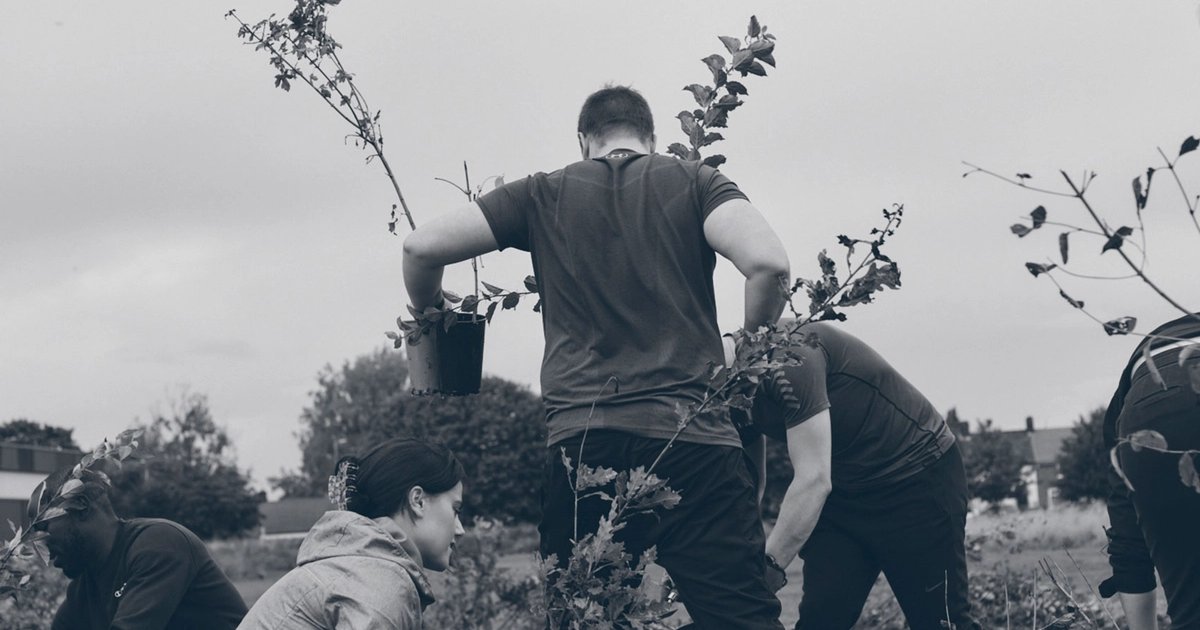
The Miyawaki method, developed by Japanese botanist and ecologist Professor Akira Miyawaki over 40 years of research, is a revolutionary afforestation technique that creates self-sustaining ecosystems using only native plant species. Implemented globally through initiatives like SUGi Pocket Forests, it regenerates both rural and urban areas by prioritizing plants adapted to local environments over thousands of years. The process begins with a thorough site survey and collaboration with local communities to identify potential native vegetation. Forests are structured in four layers—canopy trees, trees, sub-trees, and shrubs—incorporating up to 40 species to form a balanced, resilient green wall. This multi-layered design mirrors natural forests, nurturing complex networks of living organisms. Key to its success is soil enrichment, dense planting (30 times denser than conventional forests), and initial care, resulting in average survival rates of 88%, far surpassing traditional schemes. Miyawaki forests mature into fully functional ecosystems in 20-30 years, compared to 100 years for standard forests, while hosting 100 times more biodiversity. Benefits extend beyond speed: they act as oases for wildlife, heal soil, improve air quality, mitigate urban heat islands, and reconnect communities to nature. By using natives, the method ensures ecological compatibility, reducing maintenance needs post-establishment. SUGi's network of expert Forest Makers demonstrates its scalability, from tiny urban pockets to larger restorative projects. The approach counters biodiversity loss and climate impacts by fast-tracking succession, where pioneer species give way to shade-tolerant successors, building toward climax communities. Unlike monocultures, it promotes resilience through diversity, withstanding environmental stresses better. Community involvement is integral, from species selection to planting, enhancing social bonds and environmental stewardship. Economically, high survival and rapid growth make it cost-effective long-term, despite upfront investments in soil prep and seedlings. Globally, it's transforming degraded spaces into thriving habitats, supporting pollination, water retention, and carbon storage. Critics note challenges in species identification for novel ecosystems, but successes validate its efficacy. In urban settings, pocket forests suppress weeds, absorb stormwater, and thrive in droughts due to enriched soil and density. This method exemplifies biomimicry, imitating nature's strategies for restoration. Its emphasis on natives restores 'potential natural vegetation,' fostering dynamic interactions that yield stable ecosystems. With climate urgency, Miyawaki provides a blueprint for rapid, effective greening, balancing human needs with planetary health.
Source: sugiproject.com
Related Analysis
- Food Forest Courses Shift From Theory to Build-Ready Skills — Several food forest courses now open with site assessment and guild-building rather than design theory, suggesting a dev…
- Practitioners Build Silvopasture Playbook Before Researchers Catch Up — A small but consistent set of signals from the Northeast U.S. shows farmers actively piloting silvopasture while formal …
Related on PermaNews
- Smartes Stadtgrün: Digitale Bewässerung & KI gegen Dürre (How-To Guide)
- Grauwasser & Stadtgrün: Kühlere Städte dank DBU-Projekt (Article)
- 13 Garden Water Hacks: Regenerative & Low-Water Strategies (How-To Guide)
- Permaculture Accelerates Post-Wildfire Ecosystem Recovery (Article)
- Essential Native Bulb for Wet Gardens: Discover Camassia! (Video)
- Hochbeet-Vielfalt: Natur fördern, Gemüse ernten (How-To Guide)
Explore more in Food Systems & Growing — the full hub for this knowledge area.