No-Dig Winter Greens: Early Seed Saving for Biodiversity
By Charles Dowding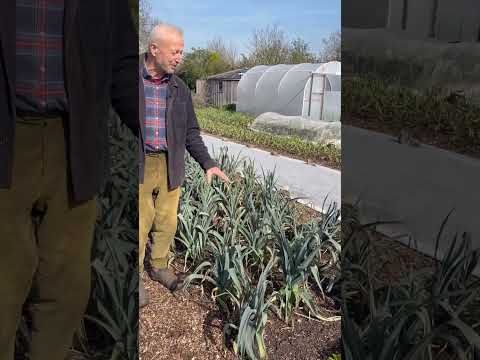
PermaNews Brief
Key Takeaways
Saving seeds from no-dig winter greens ensures biodiversity and adapts crops to your garden, promoting resilient and productive plants.
- No-dig methods improve plant health and seed viability.
- Seed saving ensures continuation of desired plant varieties.
- Select for traits well-suited to your environment.
- Uphold biodiversity in your garden ecosystem.
- Early seed saving provides a head start on next season.
Why It Matters
Saving seeds from successful plants allows gardeners to cultivate varieties best suited to their specific conditions, improving garden resilience and productivity over time. The no-dig approach further enhances soil health, leading to stronger plants and better quality seeds without extensive external inputs.
What to Do Next
Begin selecting healthy, mature winter greens in your garden for seed saving to improve future harvests.
Recommended for: Gardeners interested in enhancing plant resilience, promoting biodiversity, and practicing sustainable cultivation methods.
The initial seed saving endeavor of the year focused on various winter greens, specifically those cultivated using no-dig methods. This process is a crucial aspect of sustainable gardening, ensuring the continuation of desired plant varieties and promoting biodiversity within the garden ecosystem. The practice of saving seeds from successful plants allows gardeners to select for traits that perform well in their specific environment, such as disease resistance, robust growth, and desirable flavors.
The no-dig approach to gardening, which was employed for these winter greens, significantly influences the health and vigor of the plants, and consequently, the quality of the seeds produced. By minimizing soil disturbance, this method helps to preserve the intricate soil structure, fostering a thriving microbial community. This, in turn, leads to healthier plants that are better equipped to produce viable and strong seeds. The undisturbed soil also retains moisture more effectively and builds organic matter over time, creating an optimal environment for plant growth without the need for extensive external inputs.
The winter greens in question likely include a range of cold-hardy vegetables, such as various types of kale, collards, mustard greens, or even certain varieties of lettuce that can withstand cooler temperatures. The selection of these specific plants for seed saving at the beginning of the year suggests that they have successfully overwintered or have reached a mature stage early in the growing season, indicating their resilience and suitability for the local climate. This early seed saving allows for a head start on the next growing cycle, providing fresh seeds for subsequent plantings or for sharing with other gardeners.
The process of seed saving itself involves several key steps. First, it's essential to allow the chosen plants to fully mature and go to seed. This means resisting the urge to harvest all the leaves and instead letting some plants flower and develop seed pods. Once the seeds are mature, they need to be carefully harvested. This often involves cutting the seed heads or pods and allowing them to dry further in a cool, dry, and well-ventilated area. Proper drying is critical to prevent mold and ensure the long-term viability of the seeds.
After drying, the seeds must be threshed and winnowed. Threshing involves separating the seeds from the chaff or other plant material, which can be done by hand, by rubbing the seed heads, or by gently beating them. Winnowing then removes the lighter chaff from the heavier seeds, often by using a gentle breeze or fan. The cleaned seeds are then ready for storage.
Effective seed storage is paramount for maintaining their germination rate. Seeds should be stored in airtight containers, away from light, moisture, and extreme temperature fluctuations. Labeling the containers with the plant type and the date of harvest is crucial for organization and tracking seed viability over time. This meticulous approach ensures that the efforts put into growing and harvesting are not wasted and that a valuable genetic resource is preserved for future seasons.
The broader implications of this seed-saving activity extend beyond the individual garden. It contributes to food security by promoting self-sufficiency and reducing reliance on commercial seed suppliers. It also plays a vital role in preserving genetic diversity, especially for heirloom or open-pollinated varieties that might not be widely available commercially. By engaging in such practices, gardeners contribute to a more resilient and sustainable food system, embodying the core principles of permaculture.
Source: youtube.com
Related Analysis
- Eastern US Farmers Put Silvopasture Economics to the Test — A small but consistent set of signals indicates eastern US farmers are pressure-testing silvopasture not on ecological g…
- Baltimore Researchers Reject Yield as Urban Farm Success Metric — Several sources suggest urban agriculture is being recast from food supplement to food sovereignty tool, with peer-revie…
Related on PermaNews
- Traditional Seed Saving: Crop Diversity & Resilience Secrets (How-To Guide)
- Milkwood: Build a Seed Bank – Save Tomato & Cucumber Seeds (Video)
- Seed Saving Mastery: Permaculture's Genetic Diversity Key (How-To Guide)
- Seed Saving: A Revolutionary Act for Biodiversity & Food (Article)
- The Complete Guide to Seed Saving: An Article Containing Every Bit ... (How-To Guide)
- Master Seed Saving and Crop Trials at Fruits of Our Labor, ME (Event)
Explore more in Food Systems & Growing — the full hub for this knowledge area.