3kW Off-Grid Solar for 40ft Container Home: DIY Power Guide
PermaNews Brief
Key Takeaways
This case study demonstrates building an affordable 3kW off-grid solar system for a shipping container home, detailing component selection, installation, and performance for reliable self-sufficiency.
- Off-grid solar powers essential loads in tiny homes.
- 48V systems reduce wiring losses, increase efficiency.
- LiFePO4 batteries offer durability and deep cycle life.
- Remote monitoring optimizes system performance.
- Modular components allow for easy expansion.
- Strategic placement maximizes solar energy capture.
Why It Matters
Implementing off-grid solar provides energy independence and reduces reliance on conventional infrastructure, a crucial step for resilient homesteading and climate change adaptation.
What to Do Next
Assess your daily energy needs to accurately size an off-grid solar system for your specific requirements.
Recommended for: DIY homesteaders, tiny home builders, and permaculture practitioners seeking practical off-grid energy solutions.
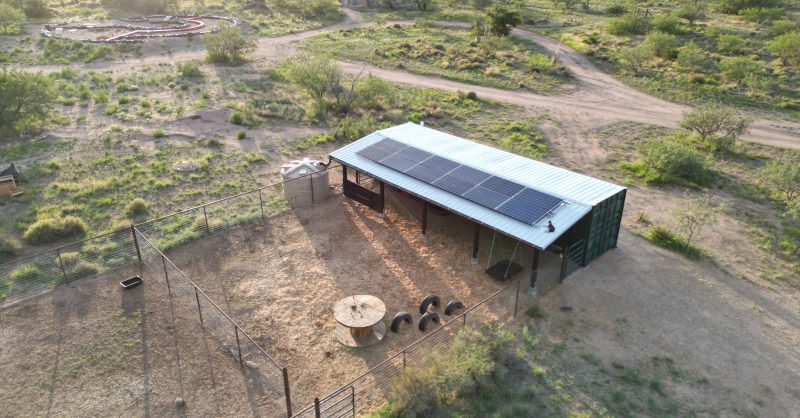
This case study details a real-world 3kW off-grid solar installation in a 40ft rehabbed shipping container home, powering lights, fans, fridge, water pump, and mini-split AC—ideal for regenerative homestead prototypes. High-level specs: 3,000W panels (6S2P configuration: 6 series x 2 parallel strings for optimal MPPT voltage 150-400V), 5kWh 48V LiFePO4 SOK rack batteries (scalable, 100Ah+), 3kW single-phase 120V inverter (6kW surge for pumps/AC), Victron GX for remote monitoring via app (voltage, SOC, solar yield). Planning: calculated loads 2-3kWh/day base + peaks; sited panels south-facing ground mount at 30° tilt. Installation: wired PV to MPPT (Victron SmartSolar), batteries in parallel rack with BMS for cell balancing/overcharge protection, inverter busbar fused. AC distribution: subpanel for 120V loads. Key insights: 48V minimizes wiring losses (thinner cables vs. 12V); LiFePO4's 6,000-cycle life suits daily deep cycles to 20% DOD. Monitoring reveals 10-15kWh/day production in summer, 5-8kWh winter—sufficient with efficiency (LEDs, DC fridge). Challenges/solutions: surge handling via oversized inverter; container heat via ventilation; expansion to 10kWh storage. Cost-effective at $5-7k total. For permaculture homesteads, this blueprint supports off-grid tiny homes with pumps for aquaponics, climate control for greenhouses. Step-by-step photos/walkthrough include crimping lugs, torque specs, software setup (VictronConnect). Practitioners learn concrete wiring diagrams, component synergies (Victron ecosystem), and performance data for replication/scaling to micro-hydro hybrids.
Source: tinyshinyhome.com
Related Analysis
- What Climate-Adapted Natural Building Actually Costs in Germany — Climate-adapted natural building in Germany — spanning straw bale, rammed earth, hempcrete, and Passive House-certified …
- Natural Builders Swap Whole-Structure Cob for Hybrid Wall Systems — Several sources suggest natural builders are dividing straw bale and cob by solar orientation within single homes—a func…
Related on PermaNews
- Klärwerk nutzt faltbare Solaranlage zur Energieautarkie (Video)
- Harnessing Solar Growth: Key Takeaways from Solar & Storage Live (Podcast)
- Poland’s PPA Surge: Why 2025 Was the Turning Point (Podcast)
- German ShadeCut Solar Tiles: 95% Power, Seamless Look (Article)
- Stromdebatte Deutschland: Was Sustainability Manager wissen #100 (Podcast)
- Resilienz-Pilot Ostdeutschland: Wind, PV & Redox-Speicher-Erfolge (Case Study)
Explore more in Shelter, Energy & Infrastructure — the full hub for this knowledge area.