Hormones & Feminine Products: A Candid Discussion
By Self Sufficient Homesteading & Gardening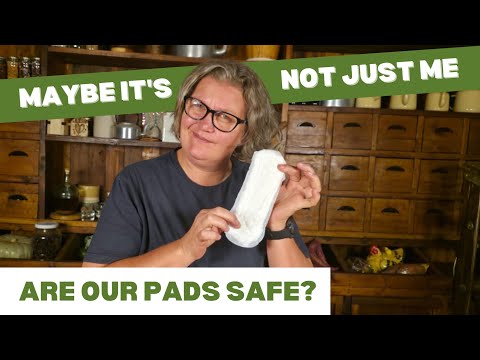
TL;DR: Some feminine hygiene products contain chemicals that may disrupt hormonal balance due to absorption through permeable membranes.
- Many feminine products use chemicals that can interfere with hormones.
- Phthalates and parabens are common endocrine disruptors.
- Synthetic fragrances often hide undisclosed, potentially harmful compounds.
- Chlorine bleaching in products can produce toxic dioxins.
- The vaginal area readily absorbs substances it contacts.
Why it matters: Understanding the chemical composition of feminine hygiene products is crucial for safeguarding long-term health and hormonal balance, as constant exposure to endocrine disruptors can have systemic effects.
Do this next: Review the ingredient lists of your feminine hygiene products and consider alternatives.
Recommended for: Anyone using feminine hygiene products who wants to understand potential health impacts and make more informed choices.
The discussion surrounding the potential impact of feminine hygiene products on hormonal balance is gaining traction, prompting a closer look at the ingredients and manufacturing processes involved. Many conventional feminine care items, ranging from tampons and pads to washes and wipes, contain a variety of chemicals that, when absorbed by the body, could theoretically interfere with the endocrine system. The delicate nature of the vaginal area, with its highly permeable mucous membranes, makes it particularly susceptible to absorbing substances it comes into contact with.
One primary concern revolves around phthalates, a group of chemicals often used to make plastics more flexible and durable. These compounds can be found in the plastic components of some feminine products, as well as in fragrances. Research suggests that phthalates can act as endocrine disruptors, mimicking or blocking hormones like estrogen, which could lead to a range of health issues from reproductive problems to developmental concerns. Similarly, parabens, frequently used as preservatives in personal care products, have also been identified as potential endocrine disruptors. Their ability to mimic estrogen has raised questions about their long-term effects on hormonal health, particularly concerning breast cancer risk.
Another area of focus is the use of synthetic fragrances. These "fragrances" are often proprietary blends of numerous chemicals, many of which are not disclosed on product labels. Some of these undisclosed ingredients can include phthalates and other volatile organic compounds (VOCs) that may contribute to hormonal imbalances or allergic reactions. The practice of bleaching cotton and other materials used in tampons and pads also raises concerns. Chlorine bleaching can produce dioxins, a group of highly toxic compounds that are persistent environmental pollutants and known carcinogens. While the levels of dioxins in modern bleached products are significantly lower than in the past, continuous exposure, even at low levels, is a point of contention for some health advocates.
The absorbent materials themselves are also under scrutiny. Many conventional pads and tampons utilize superabsorbent polymers (SAPs) and synthetic fibers. While effective at absorption, some individuals worry about the potential for these materials to irritate sensitive tissues or to contain residual chemicals from their manufacturing process. The lack of comprehensive regulation specifically for feminine hygiene products in some regions means that manufacturers are not always required to disclose all ingredients, making it challenging for consumers to make fully informed choices.
In response to these concerns, a growing market for alternative feminine hygiene products has emerged. These alternatives often emphasize natural, organic, and chemical-free ingredients. Options include organic cotton tampons and pads, menstrual cups made from medical-grade silicone, and reusable cloth pads. Manufacturers of these products often highlight their commitment to transparency, providing detailed ingredient lists and avoiding synthetic fragrances, dyes, chlorine bleaching, and other potentially harmful chemicals.
The conversation extends beyond just the products themselves to broader lifestyle choices. A holistic approach to hormonal health often includes diet, stress management, and exposure to environmental toxins. For those seeking to minimize potential hormonal disruption, understanding the ingredients in personal care products, including feminine hygiene items, is a crucial step. While definitive, large-scale human studies directly linking specific feminine products to widespread hormonal imbalances are still developing, the precautionary principle leads many to opt for products with fewer synthetic chemicals and more transparent ingredient lists. This ongoing dialogue underscores the importance of consumer awareness and the demand for safer, more natural options in personal care.