Corpus Christi's Rare Plants: A Biodiversity Hotspot Mystery
By Crime Pays But Botany Doesn't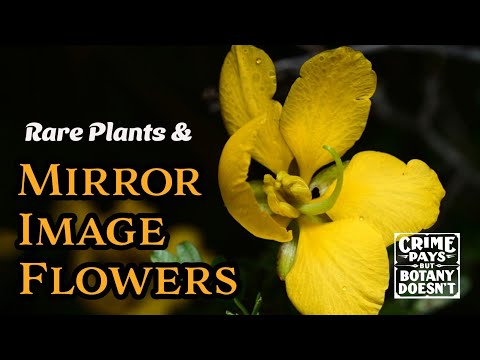
TL;DR: Corpus Christi, Texas, is a hotspot for rare plants due to a unique blend of converging ecoregions, diverse geology, and a dynamic subtropical climate.
- Multiple ecoregions converge, creating diverse habitats.
- Complex soil mosaics support specialized plant life.
- Subtropical climate with variability creates opportunities.
- Rare species often thrive in specific microhabitats.
- Geographical location is key to plant diversity.
Why it matters: Understanding these ecological dynamics is crucial for conservation efforts in areas with high biodiversity, particularly in transition zones.
Do this next: Explore the specific ecoregions discussed in the video to understand their individual characteristics and contributions to biodiversity.
Recommended for: Ecologists, conservationists, and anyone interested in the geographical and geological factors influencing plant biodiversity.
The area surrounding Corpus Christi, Texas, exhibits an unusually high concentration of rare plant species, a phenomenon attributed to a unique confluence of geographical, geological, and climatic factors. This region serves as a critical ecological transition zone, where several distinct ecoregions converge, creating a diverse array of habitats that support specialized flora.
One primary factor is its location at the intersection of the South Texas Plains, the Gulf Coast Prairies and Marshes, and the Tamaulipan Thornscrub. Each of these ecoregions possesses characteristic soil types, rainfall patterns, and plant communities. The South Texas Plains, for instance, are characterized by semi-arid conditions and calcareous soils, while the Gulf Coast Prairies are wetter with more alluvial soils. The Tamaulipan Thornscrub, extending north from Mexico, introduces species adapted to arid, thorny environments. The overlap of these distinct environments creates microhabitats with varying conditions, allowing for a broader spectrum of plant life to thrive.
Geologically, the region is influenced by ancient river systems and coastal processes. The deposition of sediments over millennia has resulted in a complex mosaic of soil types, ranging from sandy loams to heavy clays and saline soils. These varied soil compositions dictate which plant species can establish themselves, as different plants have specific nutrient and drainage requirements. For example, some rare species are edaphic specialists, meaning they are restricted to particular soil types, such as those found on ancient dune systems or unique clay formations.
The climate also plays a significant role. Corpus Christi experiences a subtropical climate with hot summers and mild winters, but it is also subject to periodic droughts and tropical weather events. This climatic variability, while challenging for some species, can also create opportunities for others. The dynamic nature of the environment, including disturbances like hurricanes or wildfires (historically), can open up new niches for colonization and prevent any single dominant species from completely outcompeting others.
Furthermore, the presence of various hydrological features contributes to the biodiversity. Estuaries, barrier islands, coastal dunes, freshwater wetlands, and ephemeral ponds all provide distinct habitats. Each of these features supports a unique suite of plant species adapted to specific water availability, salinity levels, and substrate conditions. For instance, plants on barrier islands must tolerate salt spray and sandy, nutrient-poor soils, while wetland species are adapted to saturated conditions.
The historical land use patterns in the region, while sometimes detrimental, have also inadvertently contributed to the persistence of some rare species. Areas that have remained relatively undisturbed, or those that have undergone specific types of disturbance that mimic natural processes, can act as refugia for sensitive flora. However, ongoing development and habitat fragmentation pose significant threats to these rare plant populations.
In essence, the high concentration of rare plants near Corpus Christi is a testament to the intricate interplay of its geographical position at ecological crossroads, its diverse geological history creating varied soil conditions, its dynamic subtropical climate, and the array of hydrological features present. This combination has fostered a rich tapestry of microhabitats, allowing for the evolution and persistence of numerous specialized and uncommon plant species.
Source: youtube.com
Related Analysis
- Farmers Convert Six Weeks of Rhubarb Into 25-Year Supply — Initial signals suggest a rhubarb preservation technique can extend a brief seasonal harvest into 25 years of storage—a …
- Compost Builds Soil Microbiomes—But Human Waste Divides Practitioners — A small but consistent set of signals indicates composting's soil benefits are well-documented, while human-waste compos…
Explore more in Food Systems & Growing — the full hub for this knowledge area.