Papaya's Double Duty: Mulch & Fruit in Permaculture
By Discover Permaculture with Geoff Lawton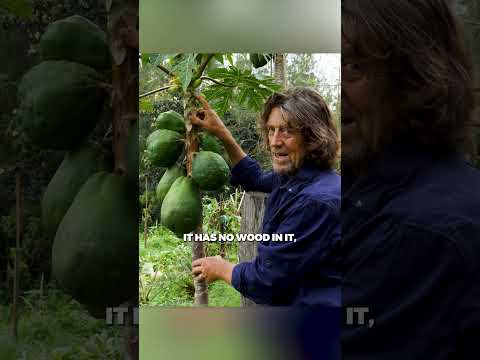
PermaNews Brief
Key Takeaways
Papaya plants are a permaculture powerhouse, offering multiple benefits beyond fruit, including soil enrichment, diverse food sources, and pioneering capabilities for challenging environments.
- Papayas enrich soil through chop-and-drop mulching.
- They provide continuous fruit and edible leaves.
- Papayas act as pioneer plants in disturbed areas.
- Their canopy supports understory plant growth.
Why It Matters
Integrating papaya into your garden can significantly boost soil health, provide a consistent food supply, and establish initial canopy cover in new or degraded areas, enhancing overall system resilience.
What to Do Next
Consider adding papaya to a new garden bed to quickly build soil and provide shade.
Recommended for: Gardeners and land stewards looking for multi-functional plants that offer rapid soil improvement, food production, and ecosystem support.
Papaya plants offer significant advantages within a permaculture system, serving multiple beneficial roles beyond just fruit production. Their rapid growth and substantial biomass generation make them excellent candidates for chop-and-drop mulching, a technique that enriches soil fertility and structure. As they mature, papaya trees develop a thick, herbaceous trunk that, when cut, decomposes quickly, releasing a wealth of nutrients back into the soil. This process mimics natural forest cycles, where falling organic matter continuously feeds the ecosystem.
Beyond their contribution to soil health, papaya trees are highly productive, yielding a continuous supply of fruit over an extended period. This consistent output provides a reliable food source, enhancing food security within the system. The fruit itself is versatile, consumed fresh, cooked, or processed into various products. Furthermore, the leaves of the papaya plant are edible and nutritious, offering an additional food source, and can also be used as animal fodder, particularly for poultry or livestock. This multi-purpose utility underscores their value in a diverse permaculture design.
Papayas are also effective pioneer plants, capable of thriving in disturbed or less fertile soils. Their vigorous growth helps to quickly establish canopy cover, providing shade and reducing soil erosion. This characteristic makes them valuable for initial site rehabilitation or for integrating into newly established food forests where other, slower-growing species are still developing. The shade they cast can also benefit understory plants that prefer cooler, more humid conditions, contributing to a more diverse and resilient plant community.
The plant's structure, with its large leaves and relatively open canopy, allows for good light penetration to the understory, facilitating the growth of companion plants. This characteristic is crucial for maximizing productivity in a multi-layered permaculture design. Papayas can be strategically placed to create microclimates that support a wider range of species, enhancing biodiversity and ecological stability. Their relatively shallow root system also means they generally do not compete aggressively with deeper-rooted trees, allowing for harmonious integration into a polyculture.
From a pest management perspective, the presence of papaya can contribute to a more balanced ecosystem. While not a primary pest deterrent, a diverse planting that includes papaya can support beneficial insects and birds, which in turn help control pest populations. The plant's overall vigor and rapid growth also mean it can often recover well from minor pest or disease pressures, especially when grown in a healthy, biodiverse environment.
In summary, the papaya plant is a highly valuable asset in a permaculture garden due to its rapid growth, significant biomass production for mulching, continuous fruit yield, edible leaves, pioneering capabilities, and ability to support diverse plant communities. Its versatility and multiple functions contribute significantly to soil fertility, food security, and overall ecosystem health and resilience.
Source: youtube.com
Related Analysis
- Rainforest Alliance Launches Certification Tied to Soil Results — A developing direction in regenerative ag certifications demands measurable soil outcomes, not just practice adoption. R…
- Campbell's Corporate Grants Push Farmers Into Regenerative Trials — Campbell's Grower Grants are funding real-acre regenerative trials, offering a corporate-backed mechanism for on-farm ex…
Related on PermaNews
- Bodenkohlenstoff: Permakultur als Klimaretter? (How-To Guide)
- Aussaaten und Gartenarbeiten im Mai 2026 - Mulchen mit Hanf, Kohle aktivieren - Selbstversorgung (Video)
- Smart Bewässern: Landwirtschaft effizient & nachhaltig (How-To Guide)
- Gärten als Kohlenstoffsenke: Permakultur für Klimaschutz (How-To Guide)
- Permakultur: Kohlenstoff im Boden binden – Praxis-Anleitung (How-To Guide)
- Transform Your Tomatoes: Combat Blight with Mulch Magic! #shorts (Video)
Explore more in Food Systems & Growing — the full hub for this knowledge area.