Homestead Goat Milking: A Sustainable Living Guide
By Farmer Jo Homesteading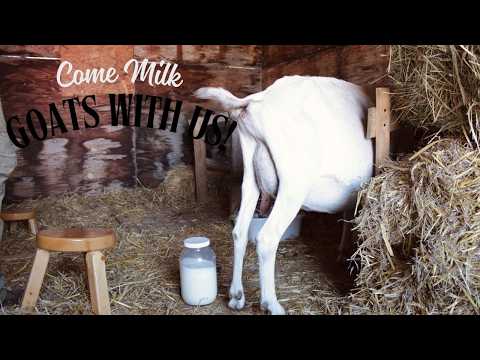
TL;DR: Homestead goat milking provides fresh dairy and connects you to sustainable living, but requires dedication to breed selection, housing, nutrition, and milking techniques.
- Research breeds for milk yield, butterfat, and temperament.
- Provide a dry, secure, well-ventilated shelter.
- Ensure a diet of forage, grain supplements, and minerals.
- Use a milking stand for easier, safer milking.
- Prioritize fresh, clean water at all times.
Why it matters: Understanding the nuances of goat husbandry for dairy production contributes to self-sufficiency and sustainable food systems.
Do this next: Watch the video to learn specific milking processes and daily routines.
Recommended for: Homesteaders and aspiring self-sufficient individuals interested in integrating dairy animals into their lifestyle.
Milking goats on a homestead can be a rewarding endeavor, providing fresh dairy products and a connection to sustainable living. The process, while requiring dedication, is manageable with proper planning and understanding of goat behavior and needs.
Before acquiring goats, it's crucial to research different breeds to find one that suits your specific goals. Some breeds are known for higher milk production, while others might be better suited for their docile temperament or hardiness in certain climates. Understanding the typical milk yield, butterfat content, and protein levels of various breeds will help in making an informed decision. For instance, Nubians are often favored for their high butterfat milk, while Alpines are known for their consistent production.
Housing is a primary consideration. Goats need a dry, draft-free shelter that protects them from the elements and predators. This shelter doesn't need to be elaborate, but it should be secure and offer enough space for the goats to move comfortably. Adequate ventilation is also important to prevent respiratory issues. A milking stand is an invaluable tool, making the milking process easier and safer for both the milker and the goat. It elevates the goat to a comfortable height and often includes a stanchion to gently hold her head, allowing the milker to access the udder without straining.
Nutrition plays a vital role in milk production and overall goat health. Goats are ruminants and require a diet rich in forage, such as hay or pasture. High-quality hay should be available year-round, especially if pasture is limited. Additionally, lactating does require supplemental feed, typically a grain mix formulated for dairy goats, to support their milk production. Mineral supplements, often in the form of a loose mineral mix or a mineral block, are also essential to prevent deficiencies. Access to fresh, clean water at all times is non-negotiable, as water is a major component of milk.
The milking process itself requires a routine. Goats thrive on consistency, so establishing a regular milking schedule, typically twice a day, is beneficial. Before milking, it's important to ensure cleanliness. The udder and teats should be wiped clean with a warm, damp cloth to remove any dirt or debris. This not only promotes hygiene but also stimulates milk let-down. Milking technique involves a gentle but firm squeeze and pull motion. The first few squirts of milk, known as "fore-strips," should be discarded or milked into a strip cup to check for any abnormalities, which can indicate mastitis or other health issues. After milking, the teats should be dipped in an antiseptic solution to prevent bacterial infections.
Beyond the daily milking, general goat care involves regular hoof trimming, deworming, and monitoring for signs of illness. Hooves grow continuously and need to be trimmed every few weeks to prevent lameness. A regular deworming schedule, often guided by fecal egg counts, is crucial for managing internal parasites. Observing goats daily for changes in behavior, appetite, or physical condition can help in early detection and treatment of health problems.
Processing the milk after milking is also an important step. The milk should be strained immediately through a fine mesh filter to remove any sediment. Rapid cooling is essential to preserve freshness and inhibit bacterial growth. The milk can then be refrigerated and used for drinking, making cheese, yogurt, or other dairy products.
Raising goats for milk on a homestead offers a sustainable way to produce food and can be a deeply satisfying experience. It requires a commitment to learning and consistent care, but the rewards of fresh, wholesome dairy products and the connection to these intelligent animals are significant.