Livestock Fencing: Hands-On Farm Infrastructure Workshop
By Living Web Farms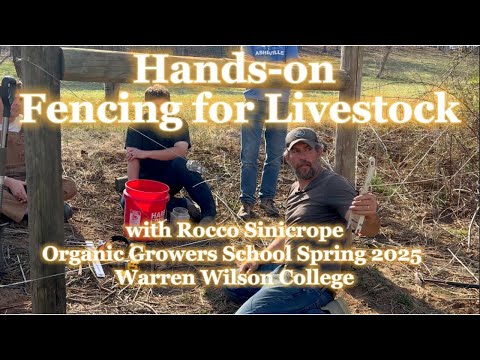
TL;DR: This workshop explored diverse livestock fencing, highlighting types, installation, and maintenance for effective animal management.
- Different fence types suit specific animals and environments.
- Woven wire is ideal for small livestock; electric fences are versatile.
- Proper installation prevents injury and ensures longevity.
- Consider animal type, predators, terrain, and budget for fencing.
- Effective fencing is crucial for animal safety and containment.
Why it matters: Effective fencing is fundamental for successful livestock management, ensuring animal safety, optimizing land use, and preventing financial losses from escapes or predator attacks.
Do this next: Review your current fencing needs, considering animal type and property layout.
Recommended for: New and experienced livestock owners seeking practical knowledge on diverse fencing solutions, installation, and maintenance.
Living Web Farms recently hosted a practical workshop focused on livestock fencing, offering participants an in-depth look at various fencing types and their applications. The event emphasized hands-on learning, allowing attendees to directly engage with the materials and techniques discussed. The core objective was to equip individuals with the knowledge and skills necessary to design, install, and maintain effective fencing systems for different livestock needs and property layouts.
The workshop began with an overview of the fundamental principles of fencing, highlighting the importance of considering factors such as animal type, predator pressure, terrain, and budget. Participants learned that selecting the appropriate fence type is crucial for both animal containment and safety, as well as for the longevity and cost-effectiveness of the system. Different types of fencing were introduced, including woven wire, barbed wire, electric fencing, and high-tensile wire, each with its own set of advantages and disadvantages.
Woven wire fencing was discussed as a versatile option, particularly suitable for smaller livestock like sheep, goats, and poultry, as it prevents animals from pushing through or getting tangled. The instructors demonstrated proper installation techniques for woven wire, emphasizing the importance of correct tensioning and secure attachment to posts to prevent sagging and maintain effectiveness. Barbed wire, while effective for larger animals like cattle, was presented with a cautionary note regarding its potential for injury to livestock if not installed and maintained correctly. The workshop covered best practices for using barbed wire, including appropriate spacing of strands and the use of warning flags.
A significant portion of the workshop was dedicated to electric fencing, a highly adaptable and cost-effective solution for many livestock operations. Participants learned about the different components of an electric fence system, including energizers, insulators, grounding rods, and conductive wires. The instructors explained how to choose the right energizer based on fence length and animal type, and the critical role of proper grounding for optimal performance. Practical demonstrations included setting up temporary electric fences for rotational grazing, a technique that improves pasture health and animal welfare. The benefits of rotational grazing, such as improved forage utilization and reduced parasite loads, were also highlighted.
High-tensile wire fencing was presented as a durable and low-maintenance option, particularly well-suited for large perimeters and permanent installations. The workshop covered the specialized tools and techniques required for installing high-tensile wire, including tensioning tools and crimping sleeves. Participants gained experience in splicing wires and ensuring proper tension, which is essential for the fence's strength and longevity. The instructors also discussed the integration of high-tensile wire with electric fencing for enhanced security and animal control.
Beyond the specific fence types, the workshop also addressed general fencing considerations. This included selecting appropriate fence posts, whether wood, metal, or fiberglass, and the methods for installing them securely. Corner bracing techniques, crucial for maintaining fence tension and stability, were thoroughly demonstrated. The importance of regular fence inspection and maintenance was stressed, with tips on identifying and repairing common issues such as broken wires, loose posts, and faulty insulators.
The practical nature of the workshop allowed attendees to gain hands-on experience with various tools and materials, reinforcing the theoretical knowledge presented. This direct engagement helped participants develop a better understanding of the nuances involved in building and maintaining effective livestock fences. The event concluded with a question-and-answer session, providing an opportunity for participants to address specific concerns related to their own farming operations. Overall, the Living Web Farms workshop provided a comprehensive and practical learning experience for anyone interested in establishing or improving their livestock fencing systems.