Constructing a Barrel Biogas Digester: Step-by-Step Guide
By Avi Makes Stuff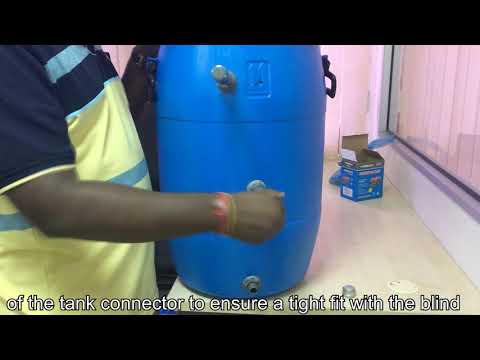
PermaNews Brief
Key Takeaways
Building a biogas digester requires attention to sealing and component arrangement to ensure efficiency.
- Focus on proper sealing techniques
- Maintain gas outlet above slurry level
- Use silicone for leak prevention
- Optimize component fit for gas pressure
- Ideal for small-scale systems using recycled materials
Why It Matters
Understanding how to assemble a biogas digester can empower individuals to create renewable energy solutions at home or on small farms.
What to Do Next
Consider watching the full tutorial to understand the assembly process.
Permaculture Context
For permaculture designers and homesteaders, a functional biogas digester represents something more significant than a fuel source — it closes a nutrient loop that most households leave permanently open. Kitchen scraps, animal manure, and crop waste that would otherwise degrade haphazardly become feedstock for both cooking gas and high-quality digestate fertilizer, simultaneously addressing two resource streams at once. What this kind of hands-on build guidance genuinely offers is the confidence to attempt a system that many practitioners have long admired in principle but avoided in practice due to fears about technical complexity. The sealing details matter precisely because biogas operates at the intersection of biology and pressure, where small construction errors compound into system failure. For someone designing a resilient homestead, getting this right means reducing dependence on bottled gas or grid electricity for cooking, while generating a liquid fertilizer that outperforms most compost teas in bioavailability. The barrel-scale approach also fits naturally into a zone one or two design, requiring minimal land footprint while delivering disproportionate functional returns across energy, fertility, and waste management simultaneously.
Recommended for: Individuals interested in renewable energy solutions and DIY projects.
This DIY tutorial shows a practical barrel-based biogas digester build with an emphasis on the physical details that matter during construction. The walkthrough includes drilling multiple holes in the lid and body of the barrel, placing and sealing connectors, and positioning the gas outlet so it sits above the slurry outlet level. The video also highlights leak prevention during assembly, including using silicone sealant on problem spots and securing the gas bag or inner tube used for storage. Because the system depends on airtight conditions, the video’s main value is its focus on fit, sealing, and component placement rather than abstract theory. For a builder, those details are often the difference between a system that produces usable gas and one that leaks or stalls.
The content is useful for small-scale household or farm operators who want to understand how a simple anaerobic digester can be assembled from low-cost parts. It provides concrete construction logic: the gas outlet must remain above slurry level, fittings must be arranged to avoid backflow and leakage, and the gas collection side needs enough integrity to hold pressure. The instructional style is hands-on and process-oriented, making it easier to translate into a small prototype or repair task. The video also appears to address common do-it-yourself failure points, especially around sealing, which is one of the most important technical challenges in homemade biogas systems.
As a practical resource, it is strongest for users looking for a visual build reference rather than a formal engineering guide. It is especially relevant for those using recycled containers or improvised household materials, since the key steps concern drilling, pipe placement, sealing, and final assembly. The tutorial is less focused on feedstock optimization, gas purification, or long-term operating parameters, so it works best as an entry-level build reference rather than a complete operating manual.
Source: youtube.com
Related Analysis
- Root Cellar: 6 Ways to Do It, What Each Really Costs, and Where Builders Disagree — We mapped the root-cellar spectrum against real 2026 retail and cost figures in the US and Germany — from a $0 straw-cov…
- AI Hallucinated URLs Force Structural Fixes on Educational Sites — AI chatbots increasingly generate broken or fabricated links to permaculture resources. Early signals suggest site struc…
Related on PermaNews
- Finnish Off-Grid: Rocket Mass Heater Performance in Greenhouse (Case Study)
- Rodale Report 2025: Thermal Mass Boost in Solar Greenhouses (Case Study)
- Earthaven Ecovillage: 30 Years Off-Grid with Hydro & Solar (Video)
- 2025: Rocket Mass Heaters in PHI-Certified Earthship Tiny Homes (Case Study)
- Off-Grid Water: Cistern Design & Sizing for Security (How-To Guide)
- Net-Zero Greenhouse Design: Year-Round Food Production via ATTRA (How-To Guide)
Explore more in Skills, Preparedness & Self-Reliance — the full hub for this knowledge area.