Zone 9a Tomato Success: Paul Lemoine's Planting Secrets
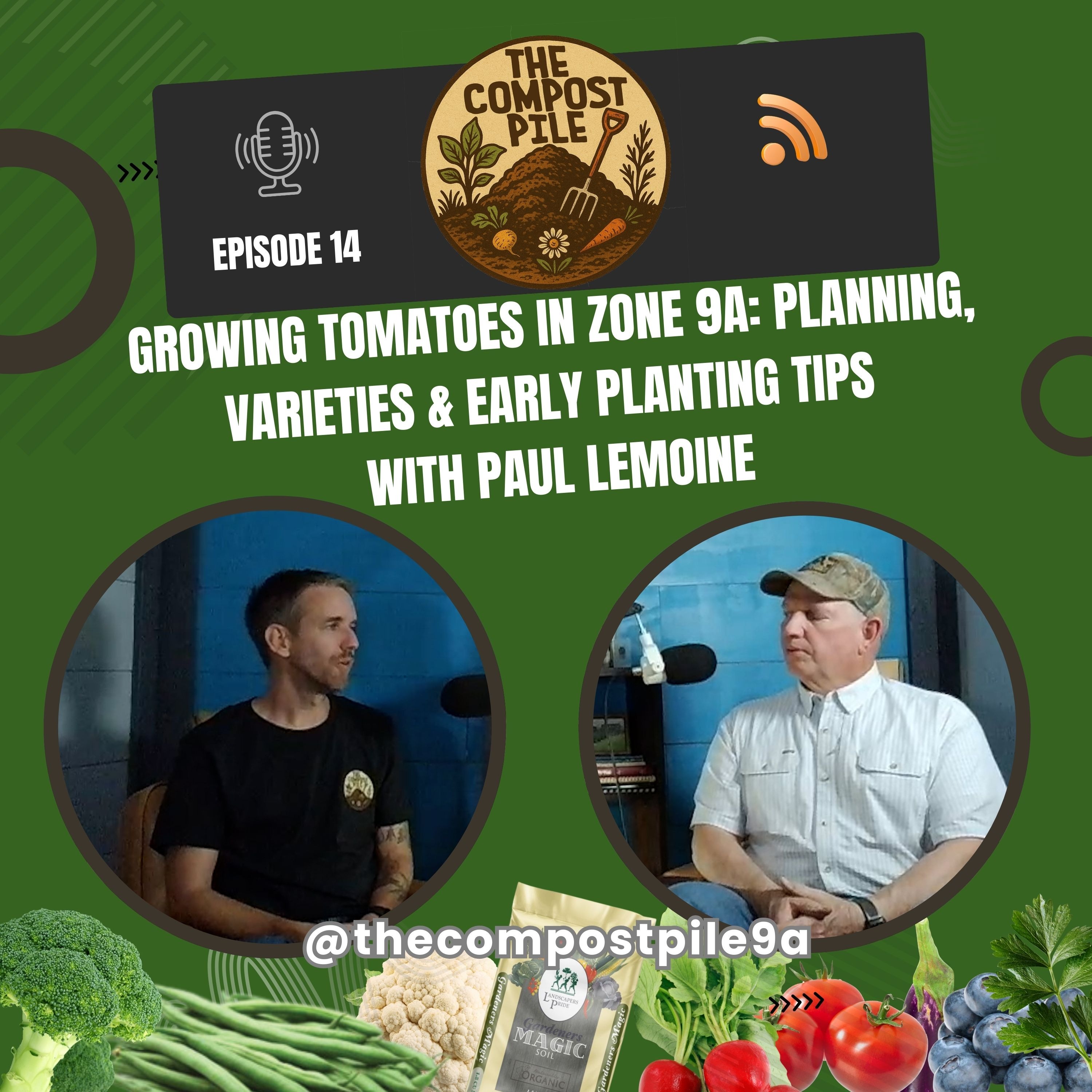
TL;DR: Mastering tomato cultivation in Zone 9a requires strategic planning, variety selection, and early planting to overcome environmental challenges and ensure a productive harvest.
- Early planting avoids intense summer heat.
- Choose determinate for single harvest, indeterminate for continuous.
- Hybrids offer disease resistance, heirlooms unique flavors.
- Mulching conserves moisture and regulates soil temperature.
- Protect young plants from unexpected frost.
Why it matters: Successfully growing tomatoes in hot, humid climates like Zone 9a demands specific techniques to achieve good yields, directly impacting local food production and personal gardening success.
Do this next: Listen to the full podcast for detailed strategies on Zone 9a tomato cultivation.
Recommended for: Gardeners in Zone 9a and similar hot, humid climates seeking to improve their tomato cultivation success and yield.
This episode of "The Compost Pile" features an in-depth discussion with Paul Lemoine regarding the cultivation of tomatoes in Zone 9a, specifically focusing on the challenges and strategies relevant to Southeast Texas's hot and humid climate. The conversation covers a comprehensive range of topics, from initial planning stages to addressing common issues and maximizing yields.
A primary focus is placed on the timing of tomato cultivation. The discussion emphasizes the benefits of early planting, suggesting that starting seeds at an opportune moment can significantly contribute to a more bountiful harvest. This early start is crucial for allowing plants to establish themselves before the intense summer heat sets in, which can negatively impact fruit set and overall plant health.
Variety selection is highlighted as a critical factor for success in Zone 9a. The episode delves into the distinctions between determinate and indeterminate tomato varieties. Determinate tomatoes typically grow to a specific size and produce their fruit within a concentrated period, making them suitable for container gardening or situations where a single, large harvest is desired. Indeterminate varieties, on the other hand, continue to grow and produce fruit throughout the growing season until frost, offering a continuous supply. The discussion also touches upon the choice between hybrid and heirloom tomatoes, acknowledging the unique characteristics and benefits of each, such as disease resistance in hybrids versus the distinct flavors and historical significance of heirlooms.
Practical advice for managing the challenging Zone 9a environment is a central theme. Strategies for early frost protection are discussed, which is vital for safeguarding young plants during unexpected cold snaps in the early spring. Mulching is presented as an essential practice for moisture retention, temperature regulation, and weed suppression, all of which are crucial in a hot climate. Proper watering techniques are also covered, emphasizing the importance of consistent moisture without overwatering, which can lead to various plant problems.
Disease prevention is a significant concern in humid environments, and the episode offers insights into proactive measures to maintain plant health. Organic methods for pest control, specifically targeting stink bugs, are also shared, providing environmentally friendly solutions for common garden pests.
The discussion addresses several common problems encountered when growing tomatoes. Blossom end rot, a physiological disorder often linked to calcium deficiency and inconsistent watering, is explained, along with strategies for its prevention. Fruit splitting, another common issue, is attributed to rapid changes in moisture levels and is discussed in the context of consistent watering practices. Poor fruit set in high heat is a particular challenge in Zone 9a, and the episode explores how extreme temperatures can inhibit pollination and fruit development.
Innovative solutions for improving tomato success in challenging conditions are also explored. The benefits of using raised beds are highlighted, including improved drainage, better soil control, and easier management of soil temperature. The strategic use of partial shade is presented as a valuable technique to protect plants from the most intense afternoon sun, which can reduce heat stress and improve fruit quality.
Overall, the episode provides a wealth of practical, experience-based knowledge for both novice and experienced gardeners aiming to successfully cultivate tomatoes in Zone 9a, particularly within the hot and humid conditions of Southeast Texas. The advice spans the entire growing cycle, from initial planning and seed starting to addressing common problems and implementing advanced cultivation techniques.