Sustainable Homestead Food Preservation Techniques
By The Self-Sufficient Backyard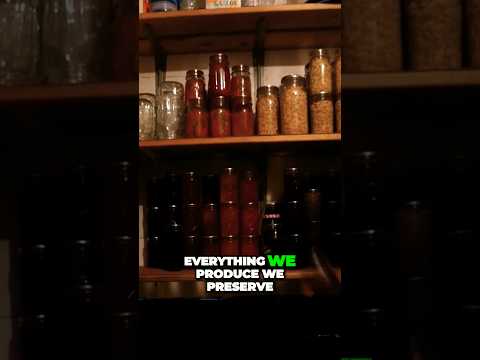
PermaNews Brief
Key Takeaways
Preserve food at home to boost self-sufficiency, enjoy seasonal produce, and reduce reliance on external food systems.
- Canning extends shelf life for diverse foods.
- Freezing is simple, preserves taste and nutrients.
- Dehydration removes moisture, preventing spoilage.
- Proper technique is crucial for food safety.
- Mastering preservation builds a resilient food supply.
Why It Matters
Learning food preservation directly enhances household food security and makes the most of homegrown or local produce, reducing waste and grocery bills.
What to Do Next
Explore one canning method suitable for your favorite high-acid fruit or vegetable.
Recommended for: Individuals seeking to increase food self-sufficiency and reduce reliance on external food systems.
Food preservation is a fundamental skill for anyone aiming for greater self-sufficiency, allowing for the enjoyment of seasonal produce year-round and reducing reliance on external food systems. There are numerous methods available, each with its own advantages and suitable for different types of food. Understanding these techniques is key to building a resilient food supply.
One of the most common and accessible methods is canning. This involves sealing food in jars and then heating them to a temperature that destroys spoilage-causing microorganisms and creates a vacuum seal. There are two primary canning methods: water bath canning and pressure canning. Water bath canning is suitable for high-acid foods like fruits, pickles, jams, and jellies. The jars are submerged in boiling water for a specified period. Pressure canning, on the other hand, is essential for low-acid foods such as vegetables, meats, and poultry. These foods require higher temperatures than boiling water can achieve to eliminate dangerous bacteria like *Clostridium botulinum*. A pressure canner uses steam under pressure to reach these necessary temperatures. Proper sterilization of jars and lids, accurate processing times, and adherence to tested recipes are crucial for safe canning.
Freezing is another popular and relatively simple preservation method. It involves lowering the temperature of food to inhibit microbial growth and enzyme activity. Most fruits and vegetables can be frozen, often requiring blanching (briefly boiling then rapidly cooling) beforehand to preserve color, flavor, and texture. Meats, dairy products, and baked goods also freeze well. Proper packaging is vital to prevent freezer burn, which occurs when food is exposed to air and loses moisture. Air-tight containers, vacuum sealing, or heavy-duty freezer bags are recommended.
Dehydration, or drying, removes moisture from food, making it inhospitable for microorganisms. This method is ancient and effective for a wide range of foods, including fruits, vegetables, herbs, and even meats (to make jerky). Food dehydrators offer a controlled environment, but sun drying or oven drying at low temperatures are also options. The key is to ensure thorough drying to prevent mold growth. Dried foods are lightweight and take up minimal storage space, making them excellent for long-term storage and backpacking.
Fermentation is a transformative preservation technique that uses beneficial microorganisms to convert sugars into acids, alcohol, or gases, thereby preserving the food and often enhancing its nutritional value and flavor. Examples include sauerkraut, kimchi, pickles, yogurt, and kombucha. This method not only extends shelf life but also introduces probiotics, which are beneficial for gut health. Careful attention to sanitation, temperature, and salt concentrations is important for successful fermentation.
Root cellaring or cool, dark storage is a passive preservation method ideal for certain root vegetables, apples, and squashes. It relies on maintaining a consistently cool temperature and high humidity to keep produce fresh for extended periods without energy input. A dedicated root cellar, a cool basement, or even a buried container can serve this purpose. Good air circulation and protection from rodents are important considerations.
Finally, salting and curing are traditional methods primarily used for meats and fish. Salt draws out moisture and inhibits bacterial growth. Curing often involves a combination of salt, sugar, and nitrites (in some cases) to preserve and flavor the food. Examples include bacon, ham, and various cured fish. This method requires precise measurements and careful handling to ensure safety and quality.
Each of these food preservation techniques offers a unique way to extend the life of food, reduce waste, and build food security. By understanding and implementing these methods, individuals can significantly enhance their self-sufficiency and enjoy a more sustainable relationship with their food supply.
Source: youtube.com
Related Analysis
- Eastern US Farmers Put Silvopasture Economics to the Test — A small but consistent set of signals indicates eastern US farmers are pressure-testing silvopasture not on ecological g…
- Baltimore Researchers Reject Yield as Urban Farm Success Metric — Several sources suggest urban agriculture is being recast from food supplement to food sovereignty tool, with peer-revie…
Related on PermaNews
- Borneo's Rainforest Revival: Dr. Smits' Sugar Palm Village Hub (Case Study)
- Holmgren's 40 Yrs: Abundant Permaculture Design Webinar 3 (Video)
- Autarke Solarstromversorgung im Haus: Praxisnahes Konzept mit Photovoltaik, Speicher und Inselbetrieb (How-To Guide)
- Hands-on Permaculture - Extended Weekend Training (Event)
- Early Summer Lunch and Learn Series: Farmer-to-Farmer Skill Share (Event)
- Early Summer Lunch and Learn Series: Farmer-to-Farmer Skill Share (Event)
Explore more in Food Systems & Growing — the full hub for this knowledge area.