Subtropical Australia: 9 "Weed-Like" Fruits, Zero Maintenance!
By Grounded Permaculture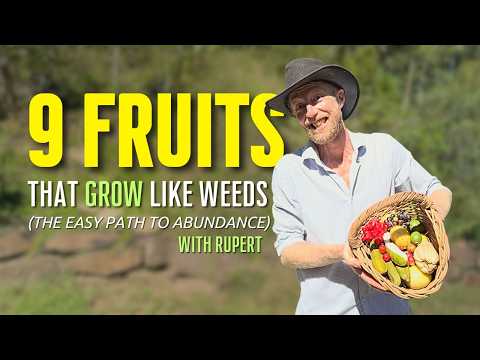
PermaNews Brief
Key Takeaways
Cultivate a low-maintenance, high-yield subtropical garden with these hardy fruit varieties that flourish with minimal care.
- Black Sapote offers resilient, versatile fruit with little human input.
- Jaboticaba bears unique fruits directly on its trunk and branches.
- Ice Cream Bean is a fast-growing, nitrogen-fixing legume.
- Passionfruit vines vigorously produce continuous, aromatic fruit.
- Minimal intervention creates abundant harvests in subtropical climates.
Why It Matters
Embracing these fruit varieties reduces gardening effort, conserves water, and supports biodiversity, aligning with permaculture principles for sustainable food production.
What to Do Next
Explore local nurseries or online suppliers for Black Sapote, Jaboticaba, Ice Cream Bean, and Passionfruit.
Recommended for: Anyone in a subtropical region seeking to establish a productive, low-maintenance food garden using permaculture principles.
This article explores nine fruit varieties that thrive with minimal intervention in subtropical Australian climates, effectively growing like weeds and offering a bounty for a low-maintenance garden. The focus is on plants that are well-suited to the region's specific environmental conditions, requiring little to no ongoing care once established.
One prominent example is the Black Sapote, often referred to as "chocolate pudding fruit." This tree is remarkably resilient, tolerating a range of soil types and requiring minimal watering once mature. Its fruit, which ripens to a soft, dark pulp, is a versatile ingredient for desserts and smoothies. The article highlights its ability to produce abundant harvests with very little human input, making it an ideal choice for a permaculture system.
Another featured fruit is the Jaboticaba, a unique tree that bears its fruit directly on its trunk and branches. This slow-growing but long-lived plant is highly adaptable to subtropical conditions. It produces small, grape-like fruits that can be eaten fresh or used to make jams and wines. The Jaboticaba's ability to flourish without significant pruning, fertilizing, or pest control underscores its "grow like a weed" characteristic.
The Ice Cream Bean tree is also presented as a low-maintenance option. This fast-growing legume produces long pods containing a sweet, cottony pulp around large seeds. It's known for its nitrogen-fixing capabilities, which benefit surrounding plants, and its ability to thrive in various soil conditions. The article emphasizes its rapid growth and prolific fruiting without the need for intensive care.
Passionfruit, particularly the common purple variety, is another excellent choice for subtropical gardens. While it is a vine and requires a trellis or support structure, once established, it grows vigorously and produces a continuous supply of aromatic fruit. The article notes its resilience to pests and diseases in the right climate, making it a self-sufficient producer.
Pawpaws (Papayas) are also highlighted for their ease of cultivation. These fast-growing, short-lived trees produce large, sweet fruits. They are particularly well-suited to warm, humid climates and, once planted, often reseed themselves, ensuring a continuous supply of fruit without active replanting. Their minimal care requirements make them a staple in low-maintenance subtropical gardens.
The article also mentions Bananas, specifically emphasizing their ability to form self-sustaining clumps. While they require rich soil and adequate water, once a patch is established, it will continue to produce suckers and fruit for many years with minimal intervention beyond occasional thinning. Their rapid growth and continuous yield make them a highly productive and low-effort crop.
Fig trees are another robust option. Certain varieties are particularly well-suited to subtropical climates and can produce multiple harvests throughout the year. Once established, they are drought-tolerant and generally resistant to pests, requiring little more than occasional pruning to maintain shape and encourage fruit production.
Finally, the article touches upon Guavas and Mulberries. Guavas are known for their hardiness and ability to produce abundant, fragrant fruit with little care. They are adaptable to various soil types and generally pest-resistant. Mulberries, especially the black and white varieties, are fast-growing trees that produce a prolific amount of berries, often requiring no intervention beyond harvesting. Both are presented as highly productive and self-sufficient fruit trees for the subtropical environment.
In summary, the article advocates for a selection of nine fruit trees and vines that naturally flourish in subtropical Australian conditions, requiring minimal human intervention once established. These plants offer a sustainable and productive approach to gardening, aligning with permaculture principles by providing abundant food with very little ongoing maintenance.
Source: youtube.com
Related Analysis
- Baltimore Researchers Reject Yield as Urban Farm Success Metric — Several sources suggest urban agriculture is being recast from food supplement to food sovereignty tool, with peer-revie…
- Urban Food Forest Tours Signal Shift From Passive Gardens — Several initiatives indicate urban food forests are evolving into hands-on design and education hubs — distinct from con…
Related on PermaNews
- Ernst Götsch's Cacao Syntropy: Master Agroforestry Now (How-To Guide)
- Finnish Off-Grid: Rocket Mass Heater Performance in Greenhouse (Case Study)
- Berlins schwimmende Gärten: Permakultur auf dem Wasser (Case Study)
- Rodale Report 2025: Thermal Mass Boost in Solar Greenhouses (Case Study)
- AUTarcaMatricultura La Palma: Permakultur & Energieautarkie (How-To Guide)
- Earthaven Ecovillage: 30 Years Off-Grid with Hydro & Solar (Video)
Explore more in Food Systems & Growing — the full hub for this knowledge area.