Shasta Daisies: Easy Care for Your Flower Garden
By One Acre Farm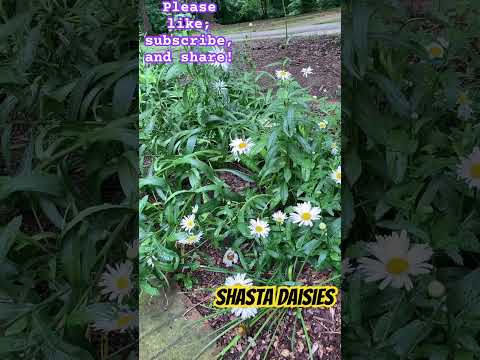
TL;DR: Shasta daisies, a result of 19th-century hybridization, offer classic white blooms and are a low-maintenance, long-blooming perennial for many gardens.
- Shasta daisies are a hardy perennial with a long blooming season.
- They thrive in full sun and well-drained, organically rich soil.
- Proper spacing and air circulation prevent common fungal issues.
- Divide mature plants every few years to maintain vigor.
- Various cultivars offer diverse flower forms and creamy yellow hues.
Why it matters: These adaptable flowers provide consistent beauty and support pollinators, enhancing garden biodiversity with minimal effort.
Do this next: Consider planting Shasta daisies to add long-lasting blooms and attract pollinators to your garden.
Recommended for: Gardeners seeking a resilient, low-maintenance flowering perennial that provides continuous blooms and supports local pollinators.
Shasta daisies are a popular choice for many gardeners due to their classic appearance and relatively easy care. These perennial flowers, known scientifically as *Leucanthemum x superbum*, are a hybrid developed by horticulturist Luther Burbank in the late 19th century. They are a cross between several daisy species, including the oxeye daisy (*Leucanthemum vulgare*), the English daisy (*Bellis perennis*), and others. The name "Shasta" was inspired by Mount Shasta in California, reflecting the flower's pure white petals.
These plants typically produce large, white, single-petaled flowers with bright yellow centers, resembling the traditional daisy. However, various cultivars offer different flower forms, including semi-double and fully double varieties, as well as those with fringed or ruffled petals. While white is the most common color, some newer varieties may exhibit creamy yellow hues. Shasta daisies generally bloom from early summer through to early autumn, providing a long season of interest in the garden.
In terms of growing conditions, Shasta daisies thrive in full sun, meaning they need at least six hours of direct sunlight per day. They prefer well-drained soil that is rich in organic matter. While they can tolerate a range of soil types, consistently wet or heavy clay soils can lead to root rot. Good air circulation is also beneficial to prevent fungal diseases. Once established, they are relatively drought-tolerant, but consistent moisture during dry spells will promote better flowering.
Propagation of Shasta daisies can be achieved through several methods. Division of mature clumps every few years in spring or fall helps to rejuvenate the plants and maintain vigor, as well as providing new plants. They can also be grown from seed, though these may not always come true to type, especially with hybrid varieties. Cuttings can also be taken, although this is less common than division or seed propagation.
Maintenance for Shasta daisies is generally straightforward. Deadheading, which involves removing spent flowers, encourages the plant to produce more blooms and prevents it from expending energy on seed production. This practice can significantly extend the flowering period. In late fall, after the first hard frost, the foliage can be cut back to a few inches above the ground. This helps to tidy the garden and can prevent overwintering pests or diseases.
Shasta daisies are generally hardy in USDA zones 5 through 9, meaning they can withstand a range of winter temperatures. They are often used in borders, cottage gardens, and as cut flowers due to their sturdy stems and long vase life. Their bright, cheerful appearance makes them a popular choice for adding a classic, clean look to garden landscapes. While generally robust, they can occasionally be susceptible to pests like aphids and slugs, and diseases such as powdery mildew or leaf spot, particularly in humid conditions or if air circulation is poor. Regular monitoring and appropriate cultural practices can help manage these issues.
Source: youtube.com
Related Analysis
- Farmers Convert Six Weeks of Rhubarb Into 25-Year Supply — Initial signals suggest a rhubarb preservation technique can extend a brief seasonal harvest into 25 years of storage—a …
- Compost Builds Soil Microbiomes—But Human Waste Divides Practitioners — A small but consistent set of signals indicates composting's soil benefits are well-documented, while human-waste compos…
Related on PermaNews
- Permaculture is Revolution Disguised as Gardening | David Holmgren—Wild & Kind series, Morag Gamble (Video)
- The Fight to Protect Pollinators and People From the ‘Pesticides That Are Everywhere’ (Event)
- As Bee Population Collapses, US Apiarists Fear Research Cuts (Article)
- How Permaculture Works: Real Garden Examples with Geoff Lawton (Video)
- Beyond Gardening Tips (Video)
- We Planted Our Garden While Everything was FLOODED (Video)
Explore more in Food Systems & Growing — the full hub for this knowledge area.