Food Forests: Design, Yield, & Food's Future | PermaNews Podcast
By Discover Permaculture with Geoff Lawton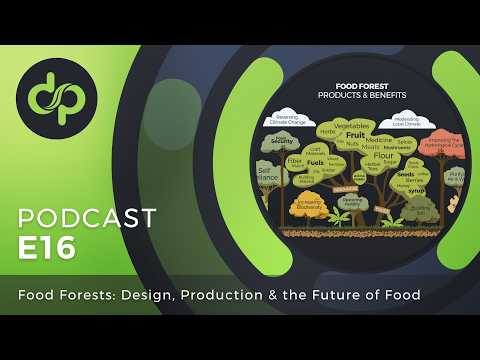
TL;DR: Food forests are a sustainable and resilient agricultural model, mimicking natural ecosystems for diverse and productive plant systems.
- Mimic natural forest ecosystems for diverse food production.
- Utilize seven layers for synergistic plant growth.
- Reduce external inputs through ecological design.
- Yield diverse fruits, nuts, and vegetables.
- Become largely self-maintaining once established.
Why it matters: This approach offers a pathway to long-term ecological stability and food security by moving away from conventional agriculture's resource-intensive cycles.
Do this next: Explore the seven layers of a food forest and identify plants for each in your local environment.
Recommended for: Anyone interested in creating a resilient, biodiverse, and productive food system that requires less ongoing input over time.
Food forests represent a significant and evolving approach to food production, offering a sustainable and resilient model for the future of agriculture. The core concept revolves around mimicking natural forest ecosystems, creating multi-layered systems that produce a diverse range of edible and useful plants. This design philosophy emphasizes long-term ecological stability and productivity, moving away from the annual tilling and replanting cycles characteristic of conventional agriculture.
The design of a food forest is a meticulous process that considers various factors, including climate, soil type, water availability, and the specific needs and functions of each plant species. It typically involves seven layers: the canopy (tallest trees), understory (smaller trees), shrub layer, herbaceous layer (perennials and annuals), groundcover, rhizosphere (root crops), and vertical layer (vines and climbers). Each layer is carefully selected to complement the others, creating a synergistic environment where plants support each other through nutrient cycling, pest deterrence, and microclimate creation. For instance, nitrogen-fixing plants can enrich the soil, while certain herbs can repel common pests, reducing the need for external inputs.
Production within a food forest is inherently diverse. Instead of monocultures, which are susceptible to widespread disease and pest outbreaks, food forests yield a wide array of fruits, nuts, berries, vegetables, herbs, and even medicinal plants. This biodiversity not only enhances ecological resilience but also provides a more varied and nutritious diet. The yield from a mature food forest can be substantial, often exceeding that of conventional annual cropping systems on a per-acre basis, especially when considering the long-term productivity and reduced labor inputs once established. The initial establishment phase requires significant effort in planning and planting, but over time, the system becomes largely self-maintaining, requiring minimal intervention.
The long-term implications of food forests for the future of food are profound. They offer a viable solution to many of the challenges facing global food security, including soil degradation, water scarcity, and climate change. By building healthy soil through continuous organic matter accumulation and minimal disturbance, food forests enhance water retention and nutrient availability. Their dense canopy and diverse plant life create cooler microclimates, making them more resilient to extreme weather events. Furthermore, by reducing reliance on fossil fuel-intensive machinery and synthetic fertilizers, food forests contribute to a lower carbon footprint in food production.
Beyond environmental benefits, food forests also foster community resilience and local food sovereignty. They can be implemented in various scales, from small backyard gardens to larger community projects and even commercial operations. This adaptability allows for decentralized food production, reducing dependence on long supply chains and making fresh, healthy food more accessible to local populations. The educational aspect is also significant, as food forests provide living laboratories for learning about ecological principles and sustainable living.
In essence, food forests represent a paradigm shift in how humanity interacts with its food sources. They embody a holistic approach that integrates ecological principles with human needs, offering a path towards a more sustainable, resilient, and abundant food future. The design principles, diverse production, and long-term benefits underscore their potential to transform agricultural landscapes and contribute significantly to global well-being.