Jan/Feb Organic Veg: Easy Permaculture Garden Starts 🌱
By Permaculture facile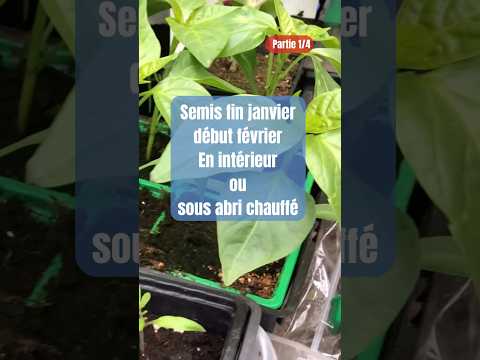
TL;DR: January and February are ideal months to establish a thriving organic vegetable garden, despite cooler temperatures, by focusing on strategic planning and cool-season crops.
- Plan garden layout and crop rotation.
- Select resilient, local varieties.
- Start leafy greens indoors.
- Sow root vegetables directly or in modules.
- Use quality organic seed mix.
- Maintain consistent soil moisture.
Why it matters: Early planning and planting enhance garden productivity and resilience, aligning with permaculture principles for sustainable food production.
Do this next: Watch the video for visual guidance on starting cool-season crops indoors and preparing garden beds.
Recommended for: New and experienced organic gardeners looking to extend their growing season and implement permaculture practices from late winter.
This article provides guidance on starting a vegetable garden organically during the late winter months of January and February, focusing on techniques suitable for permaculture principles. The core message emphasizes that despite the cold, these months are opportune for initiating certain crops, particularly those that benefit from an early start or can tolerate cooler conditions. The advice is structured to be accessible for beginners while still offering valuable insights for more experienced gardeners.
A key aspect highlighted is the importance of planning. Before any seeds are sown, the article suggests taking time to consider the garden layout, crop rotation, and the specific microclimates within one's growing space. Understanding the local climate and frost dates is crucial for determining which plants can be started early and which should wait. The article advocates for selecting varieties known for their resilience and suitability to the local environment, rather than solely focusing on high-yield commercial varieties.
For January and February, the article recommends focusing on crops that can be started indoors or in protected environments like cold frames or greenhouses. These include various leafy greens such as spinach, lettuce, and kale, which are relatively cold-hardy. Root vegetables like radishes and some early carrot varieties are also suggested, as they can be sown directly into prepared soil if the ground is not frozen solid, or started in modules indoors for later transplanting. Onions and leeks, often requiring a long growing season, are excellent candidates for early indoor sowing. Herbs like parsley and cilantro can also be initiated during this period.
The article delves into the practicalities of seed starting. It stresses the importance of using good quality organic seed starting mix, which provides the necessary nutrients and drainage for young seedlings. Proper moisture levels are critical; the soil should be kept consistently damp but not waterlogged to prevent damping-off disease. Adequate light is another crucial factor for healthy seedling development. If natural light is insufficient, especially during the shorter winter days, the use of grow lights is strongly encouraged to prevent leggy, weak plants.
Temperature control is also a significant consideration. While some seeds germinate best at warmer temperatures, others prefer cooler conditions. The article advises researching the specific temperature requirements for each type of seed being sown. For warmth-loving seeds, heating mats can be beneficial to encourage quicker germination. Once seedlings emerge, they generally prefer slightly cooler temperatures to promote sturdy growth, but still need protection from frost.
Transplanting is discussed as a critical step. The article explains that seedlings should be "hardened off" before being moved outdoors permanently. This process involves gradually exposing them to outdoor conditions over a period of several days to a week, allowing them to acclimate to temperature fluctuations, wind, and direct sunlight. This minimizes transplant shock and increases their chances of survival.
The article also touches upon soil preparation, even for outdoor beds that won't be planted until later. It suggests using the winter months to enrich the soil with compost and other organic matter. This improves soil structure, fertility, and microbial activity, creating a healthier environment for future plantings. Cover cropping is also mentioned as a beneficial practice for protecting and improving soil during the off-season.
Finally, the article emphasizes the permaculture principle of observation and adaptation. Gardeners are encouraged to pay close attention to their plants and their environment, learning from successes and failures. This iterative process allows for continuous improvement and a deeper understanding of one's specific growing conditions. The overall tone is one of encouragement, demonstrating that even in the colder months, a productive and organic vegetable garden can be initiated with thoughtful planning and consistent effort.
Source: youtube.com
Related Analysis
- Farmers Convert Six Weeks of Rhubarb Into 25-Year Supply — Initial signals suggest a rhubarb preservation technique can extend a brief seasonal harvest into 25 years of storage—a …
- Compost Builds Soil Microbiomes—But Human Waste Divides Practitioners — A small but consistent set of signals indicates composting's soil benefits are well-documented, while human-waste compos…
Related on PermaNews
- Aloe Vera: Free Grapevine Rooting Hormone DIY (Video)
- April Harvest: The Unknown Edible Shrub for Your Food Forest (Video)
- 4 Pflanzen, 620 kg Tomaten: Permakultur-Erfolg! (Video)
- Famine Food: 60-Day Crop Beats Rice - Easy, Nutritious (Video)
- Cold Snap Composting: Hot Piles for Winter Gardens (Video)
- Gärten klimafest machen: Naturschutz durch Resilienz (Article)
Explore more in Food Systems & Growing — the full hub for this knowledge area.