Goldenrod Harvest Prep: Dehydration for Preservation
By Self Sufficient Homesteading & Gardening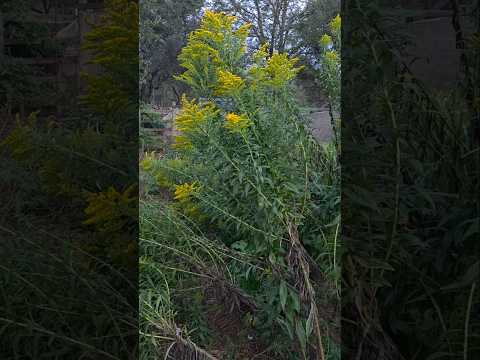
TL;DR: Prepare goldenrod for long-term storage by dehydrating it, capturing its peak potency for various uses.
- Harvest goldenrod when flowers are fully open.
- Dehydration extends shelf life of plant materials.
- Cleaning is crucial before drying goldenrod.
- Even drying prevents mold and preserves quality.
- Systematic approach optimizes natural resource use.
Why it matters: Dehydrating goldenrod allows you to preserve its beneficial properties for year-round use in herbal remedies, teas, or other applications, promoting self-sufficiency.
Do this next: Learn proper cleaning and drying techniques for goldenrod to ensure quality preservation.
Recommended for: Those interested in herbalism, self-sufficiency, and natural resource preservation.
The author of the piece is preparing to harvest goldenrod, a plant they intend to dehydrate the following day. This activity suggests an interest in preserving natural resources, likely for future use. Dehydration is a common method for extending the shelf life of various plant materials, including herbs and flowers, by removing their moisture content, which inhibits spoilage.
Goldenrod is a plant with a long history of traditional uses, and its harvesting often occurs in late summer or early autumn when the plant is in full bloom. The timing of this harvest indicates that the goldenrod has reached its peak maturity for the intended purpose, whether that be for culinary, medicinal, or other applications. The readiness of the goldenrod implies that the flowers are fully open and vibrant, which is typically when their beneficial compounds are most concentrated.
The process of dehydration itself involves several steps. After harvesting, the goldenrod would likely need to be cleaned to remove any dirt, insects, or unwanted plant matter. Depending on the specific method of dehydration, the plant material might be spread out on screens in a well-ventilated area, hung in bundles, or placed in a dedicated dehydrator. The goal is to ensure even drying to prevent mold growth and preserve the plant's qualities. The mention of dehydrating "tomorrow" suggests a planned and systematic approach to homesteading and gardening, where tasks are scheduled to optimize the use of natural resources and personal time.
This activity is characteristic of a self-sufficient lifestyle, where individuals take an active role in producing and preserving their own food, herbs, or other useful materials. Homesteading and gardening often involve a deep understanding of plant cycles, harvesting techniques, and preservation methods. The act of harvesting and dehydrating goldenrod aligns with principles of sustainability and resourcefulness, as it leverages natural abundance for practical purposes.
The author's brief statement, while simple, conveys a sense of preparedness and engagement with their environment. It highlights a practical aspect of living off the land or supplementing one's needs through personal cultivation and processing. The goldenrod, once dehydrated, could be used for a variety of purposes, such as making herbal teas, infusions, tinctures, or even incorporated into crafts or natural dyes, depending on the specific species and the author's intentions. The commitment to dehydrating the plant indicates a desire to store and utilize it over an extended period, reflecting a forward-thinking approach to managing natural resources within a homesteading context.
Source: youtube.com
Related Analysis
- Farmers Convert Six Weeks of Rhubarb Into 25-Year Supply — Initial signals suggest a rhubarb preservation technique can extend a brief seasonal harvest into 25 years of storage—a …
- Compost Builds Soil Microbiomes—But Human Waste Divides Practitioners — A small but consistent set of signals indicates composting's soil benefits are well-documented, while human-waste compos…
Related on PermaNews
- Permakultur: Fermentation meistern – Rezepte & Feldtests (How-To Guide)
- Natural Healing Herbs You Need To Know! Harvesting My Own Medicine (Video)
- Growing Sorghum Part 2 🌾 Harvesting, Threshing & Making Flour (Video)
- Krisenapotheke: Fermentierte Hausmittel selbst gemacht (How-To Guide)
- Harvest Planning: Preserve Food with Cellars & Fermentation (How-To Guide)
- Master 10 Food Preservation Methods: pH 4.6 & Beyond (How-To Guide)
Explore more in Food Systems & Growing — the full hub for this knowledge area.