Auto Chicken Waterer: Freeze-Proof & Always Clean!
By Justin Rhodes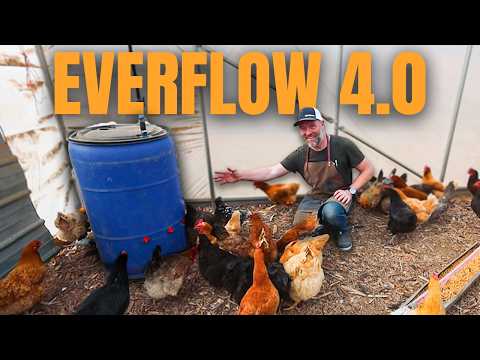
TL;DR: An automated, heated, and solar-powered watering system keeps chicken water clean and unfrozen year-round.
- Automated system uses a float valve for continuous water supply.
- Submersible low-wattage heater prevents water from freezing.
- Thermostat controls heating element, activating below set temperature.
- Solar panel and battery can power system for off-grid coops.
- Elevated reservoir leverages gravity for efficient water flow.
Why it matters: This system significantly reduces manual labor for poultry keepers, ensuring animal welfare and health by providing consistent access to clean water, especially in challenging weather conditions.
Do this next: Consider how a float valve system could automate your animal watering.
Recommended for: Poultry keepers looking for efficient and sustainable ways to provide water to their chickens, particularly those in colder climates or aiming for increased self-sufficiency.
This article details a system designed to provide chickens with a continuous supply of clean, unfrozen water, addressing common challenges faced by poultry keepers, particularly in colder climates. The core of the system revolves around an automated water delivery and heating mechanism, ensuring the chickens always have access to potable water without manual intervention for refilling or de-icing.
The system begins with a large water reservoir, typically a 55-gallon drum, which serves as the primary source. This drum is elevated to allow gravity to assist in water flow. A crucial component is a float valve, similar to those found in toilet tanks, installed within the chicken coop's waterer. This float valve automatically refills the waterer as the chickens drink, maintaining a consistent water level without overflowing. This eliminates the need for daily manual refilling, a significant time-saver for poultry owners.
To combat freezing temperatures, the system incorporates a heating element. This element is submerged directly into the water within the chicken waterer. The article emphasizes the importance of using a low-wattage heater, often a submersible aquarium heater, to prevent the water from becoming too hot, which could be detrimental to the chickens. The heater is connected to a thermostat, which automatically activates the heating element when the water temperature drops below a set point, typically just above freezing. This ensures the water remains liquid even in harsh winter conditions.
Powering this setup is a key consideration. The article suggests using a solar panel system, especially for coops located far from a main power source. A solar panel charges a battery, which then powers the heater and any other electrical components. This makes the system self-sufficient and environmentally friendly. For coops closer to an existing power supply, a standard electrical outlet can be used, though the solar option offers greater flexibility and resilience.
The design also prioritizes cleanliness. By using a float valve system, the water in the main reservoir remains untouched by the chickens, reducing contamination. The waterer itself is designed to be easy to clean, and the continuous flow helps to flush out any debris that might accumulate. Some designs incorporate nipple drinkers or cup drinkers, which further minimize contamination as the chickens only access a small amount of water at a time, preventing them from soiling the entire water supply.
Installation involves several steps. First, the water reservoir is positioned and secured. Then, plumbing lines are run from the reservoir to the chicken coop. These lines are typically made of food-grade PVC or flexible tubing. The float valve is installed in the waterer, and the heating element and thermostat are wired in. Proper insulation of the water lines, especially in colder climates, is recommended to prevent freezing before the water reaches the heated waterer.
The benefits of this automated system are numerous. It significantly reduces the daily labor associated with chicken keeping, particularly in winter. It ensures a constant supply of clean water, which is vital for chicken health and egg production. By preventing water from freezing, it eliminates the risk of chickens becoming dehydrated due to lack of access to water. The system also promotes better hygiene by minimizing contamination of the water supply. While there is an initial investment in materials and setup time, the long-term benefits in terms of convenience, bird health, and reduced labor make it a worthwhile endeavor for many chicken keepers.