Boost Molting Hens: 6 Protein Power-Ups for Feather Regrowth
By Urban Farmer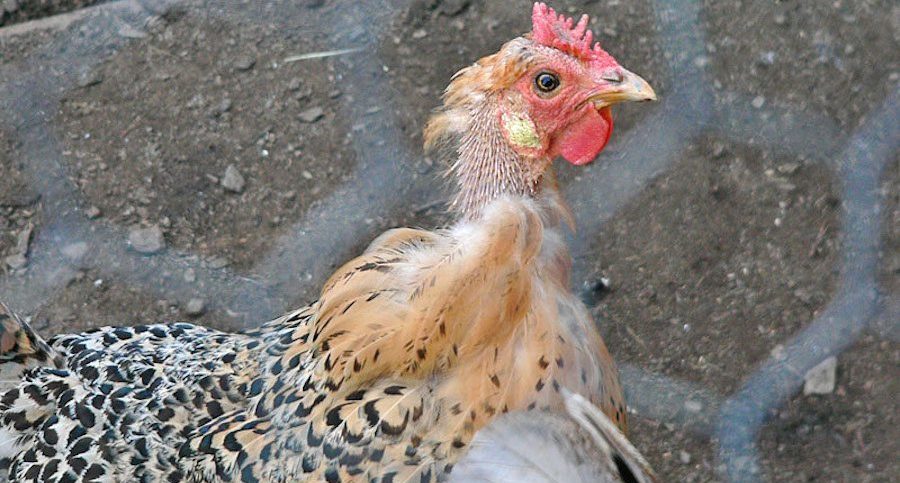
TL;DR: Molting hens require increased protein to regrow feathers; supplement their diet with high-protein foods.
- Molting is a natural feather- shedding process for chickens.
- Increase protein to 20-22% during molting season.
- Offer black oil sunflower seeds for protein and healthy fats.
- Mealworms are a palatable and protein-rich treat.
- Scrambled or hard-boiled eggs provide complete protein.
Why it matters: Providing adequate protein during molting supports rapid feather regrowth and minimizes the stress on your hens, ensuring their continued health and productivity.
Do this next: Assess your flock for signs of molting and begin gradually increasing their dietary protein percentage.
Recommended for: New and experienced chicken keepers looking to optimize their flock's health during molting season.
When chickens undergo their annual molt, a natural process of shedding old feathers and growing new ones, it can be a concerning sight for those unfamiliar with it. The presence of numerous feathers in the coop often prompts immediate checks for illness or injury. However, molting is a normal part of a chicken's life cycle, typically occurring once a year, usually in the fall, and lasting for several weeks to a few months. During this period, hens temporarily cease egg production as their bodies redirect energy and nutrients towards feather regeneration.
Feathers are primarily composed of protein, making it crucial to provide molting hens with a diet rich in this nutrient to support healthy and efficient feather regrowth. A chicken's body is approximately 85% protein, and feathers themselves are about 80-85% protein. Therefore, increasing protein intake during molting is essential for a swift and complete recovery. While standard layer feed usually contains 16-18% protein, molting hens benefit from a temporary increase to around 20-22%.
Several readily available and beneficial protein sources can be incorporated into a molting hen's diet. One excellent option is black oil sunflower seeds (BOSS). These seeds are not only high in protein but also contain healthy fats that contribute to feather sheen and overall chicken health. They can be offered as a treat or mixed into their regular feed.
Another valuable protein source is mealworms, a popular and highly palatable treat for chickens. Both live and dried mealworms are rich in protein and can be given in moderation. They are particularly effective in enticing chickens to eat during a time when their appetite might be slightly reduced due to the stress of molting.
Scrambled or hard-boiled eggs are also an excellent way to boost protein. While it might seem counterintuitive to feed eggs back to chickens, they are a complete protein source and highly digestible. Crushing the shells and offering them alongside the egg provides additional calcium, which is beneficial for overall health, even if they aren't laying.
Legumes, such as lentils and peas, can be cooked and offered to chickens. These are good plant-based protein sources and can be a healthy addition to their diet. It's important to cook them thoroughly to ensure digestibility.
Fermented grains, like oats or barley, offer another way to enhance protein intake and improve nutrient absorption. The fermentation process breaks down anti-nutrients and makes the nutrients more bioavailable. Soaking grains in water for a few days until they ferment can create a highly nutritious supplement.
Finally, commercial flock raiser or broiler feed, which typically has a higher protein content (around 20-24%) than standard layer feed, can be temporarily introduced during the molting period. This provides a concentrated protein boost to support feather growth. However, it's important to transition back to layer feed once molting is complete to ensure they receive the appropriate calcium levels for egg production.
By strategically supplementing their diet with these protein-rich foods, chicken keepers can help their molting hens navigate this natural process more comfortably and efficiently, ensuring a quicker return to full feather and, eventually, egg production. Observing the flock closely and adjusting their diet as needed will contribute to their overall well-being during this demanding time.