Determinants of the Adoption of Tiny Houses and Their Role in Alleviating Housing Shortages in Germany
By Véronique Vasseur, Jessica Sing, Samuel W. Short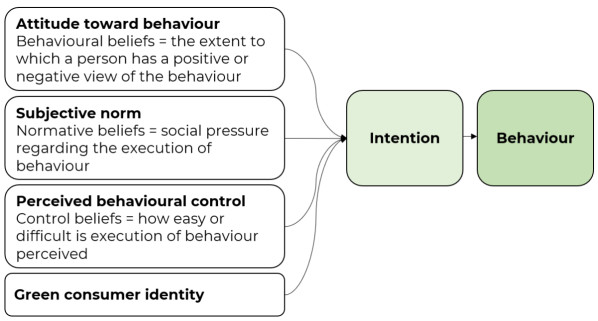
PermaNews Brief
Key Takeaways
The growing interest in tiny houses reflects economic pressures and social preferences in housing.
- Tiny houses address housing shortages in Germany.
- Social and economic factors drive tiny house adoption.
- Financial constraints often motivate interest in tiny homes.
- Tiny houses may offer alternative housing solutions.
- The study informs policies for housing affordability.
Why It Matters
Understanding tiny house adoption can guide policy and planning efforts to alleviate housing shortages and promote affordability.
What to Do Next
Explore local tiny house initiatives or networks in your area.
Permaculture Context
For permaculture practitioners, this research confirms something the community has long understood intuitively: smaller footprints are not a sacrifice but a strategy. What the German context adds is institutional weight — when peer-reviewed housing economics begins framing tiny living as a legitimate policy response rather than a lifestyle curiosity, it opens doors for zoning reform, infrastructure investment, and financing pathways that have historically blocked the growth of alternative dwelling models. The practical implication is timing. Practitioners designing homesteads, intentional communities, or off-grid setups should treat this moment as an opportunity to engage local planners and housing authorities with language those institutions now recognise. A well-sited tiny structure integrated into a food forest or cooperative land arrangement is not just a dwelling — it is a productive node in a regenerative system, and that argument becomes far easier to make when mainstream housing discourse is already moving toward density, flexibility, and affordability. The barrier is rarely vision; it is usually permission. Research like this shifts the permission landscape.
Recommended for: Policymakers, housing advocates, and community planners interested in innovative housing solutions.
This peer-reviewed article studies why people adopt tiny houses and how they may help alleviate housing shortages in Germany. It is useful because it moves beyond descriptive commentary and identifies the social and economic conditions that drive interest in tiny living. According to the citation information in the search results, the article by Véronique Vasseur, Jessica Sing, and Samuel W. Short examines adoption determinants through the Theory of Planned Behaviour, which suggests that attitudes, norms, and perceived control shape the decision to live in tiny homes. The search result also notes that financial constraints and limited alternative housing options often motivate interest in tiny homes, which makes the paper directly relevant to housing affordability and resilience debates. The contribution of the article is not only in explaining why people choose tiny houses, but also in connecting those choices to broader housing supply issues. For practitioners, this means the article can inform policy design, community planning, and market development by identifying where demand is likely to arise and what barriers stand in the way of uptake. Because it frames tiny homes as one potential response to housing shortages, the study is relevant to low-impact housing conversations that seek alternatives to conventional homeownership or rental markets. The research likely has value for policymakers and housing advocates looking for empirically grounded insight into the feasibility of tiny home adoption, especially in contexts where affordability and land scarcity are pressing issues. The study appears to be more analytical than promotional, which increases its usefulness for readers who want evidence rather than advocacy. It should be especially helpful for understanding the social drivers of tiny-house adoption and the extent to which such homes may function as a partial solution to supply constraints rather than a universal remedy.
Source: aimspress.com
Related Analysis
- Off-Grid Homesteads Merge Thermal and Electrical Renewable Systems — Several 2024–2025 case studies show off-grid permaculture sites pairing rocket mass heaters with solar or micro-hydro el…
- Off-Grid Solar Projects Shed Legacy Batteries for LFP — Several sources suggest LFP batteries are becoming the go-to storage solution as solar adoption grows across off-grid an…
Explore more in Shelter, Energy & Infrastructure — the full hub for this knowledge area.