Off-Grid Solar & Battery System: Part 1 - Northwest Case Study
PermaNews Brief
Key Takeaways
Off-grid solar and battery systems require meticulous energy management and sizing for reliable, sustainable remote living.
- Off-grid success hinges on sophisticated energy management systems.
- Battery autonomy is crucial, calculated from load profiles and capacity.
- Accurate load auditing informs system sizing and component selection.
- System scalability supports growing regenerative homestead needs.
- Monitoring apps optimize power generation, storage, and consumption.
Why It Matters
Implementing off-grid solutions effectively ensures energy independence, reduces reliance on conventional grids, and supports resilient, sustainable living practices, especially in remote areas.
What to Do Next
Audit your household's energy consumption to identify peak loads and daily energy requirements.
Recommended for: Anyone planning or managing an off-grid solar and battery system for a remote or regenerative homestead.
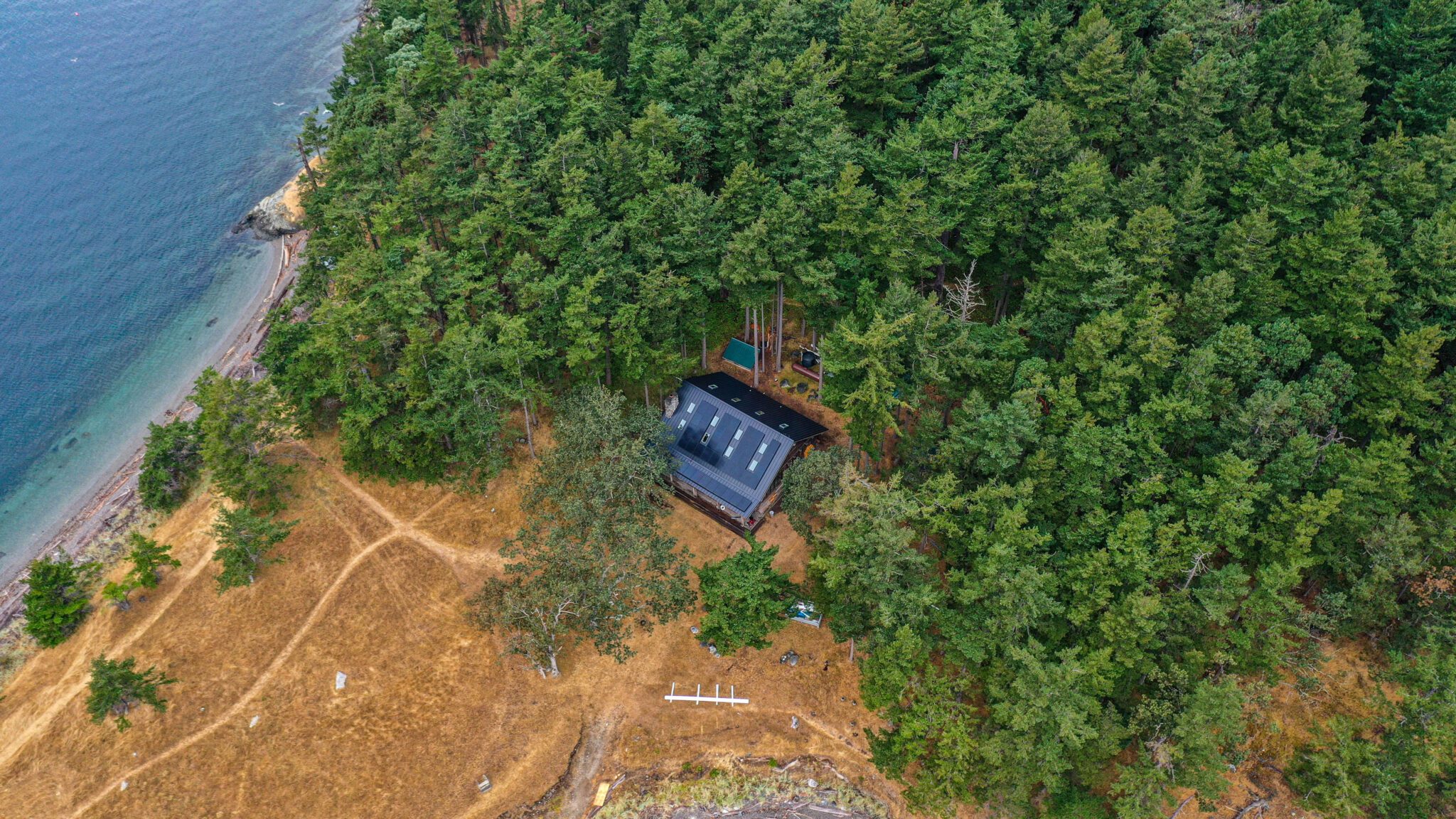
This case study from Northwest Electric & Solar outlines an off-grid solar and battery system implementation for remote, sustainable living, emphasizing energy management to achieve grid independence. Core focus: an Energy Management System (EMS) that controls generation, storage, and usage, critical for handling low-production periods like winter or extended clouds. Days of autonomy—defined as battery runtime without solar input—is calculated based on load profiles, battery capacity, and depth of discharge limits. Practical sizing involves tallying all household loads (e.g., lighting, refrigeration, heating) to determine required battery output matching peak demands. The system ensures power continuity by oversized batteries relative to daily consumption, factoring in efficiency losses (inverters 85-95%). Implementation steps include site assessment for solar exposure, load auditing to prioritize essentials, and selecting compatible components: high-capacity lithium or lead-acid batteries, MPPT charge controllers for optimal harvesting, and hybrid inverters for seamless operation. For regenerative homesteads, it highlights scalability—adding panels/batteries for workshops or pumps—and monitoring via apps tracking SOC, production, and consumption. Real-world application powers full homes through non-ideal weather, with tips on reducing loads (LEDs, efficient appliances) to extend autonomy. This project teaches precise energy budgeting: e.g., a 10kWh battery might yield 2-3 days for a 3-5kWh daily load. Outcomes stress EMS as the 'brain' preventing blackouts, providing concrete methods for off-grid reliability in variable climates.[2]
Source: nwsolar.com
Related Analysis
- What Climate-Adapted Natural Building Actually Costs in Germany — Climate-adapted natural building in Germany — spanning straw bale, rammed earth, hempcrete, and Passive House-certified …
- Natural Builders Swap Whole-Structure Cob for Hybrid Wall Systems — Several sources suggest natural builders are dividing straw bale and cob by solar orientation within single homes—a func…
Explore more in Shelter, Energy & Infrastructure — the full hub for this knowledge area.