Family-Sized Tiny Home: 30-Foot Marvel for Modern Living
By Living Big In A Tiny House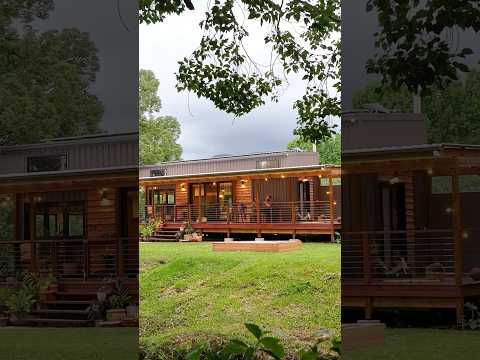
TL;DR: Thoughtful design enables a spacious and functional family-sized tiny home on a triple-axle trailer, offering practical solutions for compact living.
- Tiny homes can comfortably house families of four.
- Clever storage is crucial for clutter-free living.
- Full-sized appliances enhance kitchen functionality.
- Stair access to lofts improves safety and ease.
- Strategic window placement boosts natural light.
Why it matters: This design approach offers a viable and sustainable housing solution for families seeking to downsize their environmental footprint without sacrificing comfort or practicality.
Do this next: Explore different tiny home layouts to envision how your family's needs could be met in a compact space.
Recommended for: Anyone interested in practical and innovative solutions for family-sized compact living and sustainable housing.
This article showcases a family-sized tiny home, designed to accommodate a family of four, demonstrating how thoughtful design can create a spacious and functional living environment within a compact footprint. The home, built on a triple-axle trailer, measures approximately 30 feet in length, providing ample space for its inhabitants.
Upon entering, one is greeted by a bright and airy living area, characterized by its high ceilings and numerous windows that allow natural light to flood the space. The living room is designed for comfort and versatility, featuring a custom-built sofa that can be reconfigured into a guest bed, maximizing the utility of the area. Storage solutions are cleverly integrated throughout, with built-in shelving and compartments ensuring a clutter-free environment.
The kitchen is a central feature of the home, designed to be fully functional for a family. It boasts a full-sized refrigerator, a propane range with an oven, and a double sink. Ample counter space, crafted from durable materials, provides plenty of room for meal preparation. Custom cabinetry offers extensive storage for cookware, dishes, and pantry items, further enhancing the kitchen's practicality. A dining area, often a fold-down or extendable table, is positioned near the kitchen, facilitating family meals and social gatherings.
The sleeping arrangements are thoughtfully designed to provide privacy and comfort for all family members. The primary bedroom is located in a loft accessible by a staircase, rather than a ladder, which is a significant design choice for a family home, offering easier and safer access. This loft bedroom is spacious enough to accommodate a queen-sized bed and includes built-in storage for clothing and personal items. Large windows in the loft provide ventilation and natural light, contributing to a pleasant sleeping environment.
For the children, a second, smaller loft is typically present, also accessible by a staircase or a more robust ladder. This loft is designed to house two single beds or a bunk bed setup, providing each child with their own dedicated sleeping space. Integrated storage solutions, such as drawers under the beds or small closets, help keep their areas organized.
The bathroom is surprisingly comprehensive for a tiny home. It includes a composting toilet, a full-sized shower, and a vanity with a sink. The design prioritizes functionality and efficiency, with smart storage solutions to keep toiletries and towels neatly organized. The use of light colors and reflective surfaces helps to make the bathroom feel larger than it is.
Throughout the home, the emphasis is on maximizing space and functionality without sacrificing aesthetic appeal. The interior design often incorporates natural wood finishes, creating a warm and inviting atmosphere. Energy efficiency is also a key consideration, with features such as good insulation, energy-efficient appliances, and often, provisions for solar panel installation, reducing the home's environmental footprint and operating costs.
The exterior of the tiny home is equally well-considered, often featuring durable and aesthetically pleasing siding materials. The design often includes a small porch or deck area, extending the living space outdoors and providing a connection to nature. The mobility of the home, being on a trailer, offers the family the flexibility to relocate, aligning with a lifestyle that values freedom and adventure. This family-sized tiny home exemplifies how innovative design and careful planning can create a comfortable, sustainable, and fulfilling living experience for a family, challenging conventional notions of what a home can be.