Feral Pig Threat: Peyote Conservation on Our Land
By Crime Pays But Botany Doesn't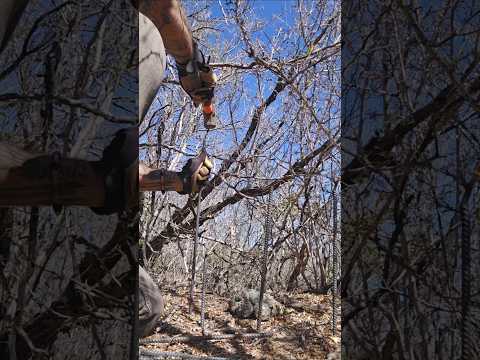
TL;DR: A conservation group is protecting peyote from feral pigs through fencing and other management strategies on their acquired land.
- Feral pigs threaten peyote by rooting, damaging plants, and degrading habitats.
- Peyote is vulnerable due to its slow growth and long lifespan.
- Robust fencing is a primary strategy to exclude pigs from critical areas.
- Other management techniques are being explored to control pig populations.
- Protecting native peyote is crucial for cultural and ecological reasons.
Why it matters: Feral pigs cause extensive damage to ecosystems, impacting native plant species like the slow-growing peyote, which has cultural and ecological significance. Effective land management and conservation efforts are vital for preserving biodiversity and cultural heritage.
Do this next: Consider how invasive species might be impacting native plants in your local environment.
Recommended for: Land managers, conservationists, or anyone interested in protecting native plant species from invasive animals.
A conservation organization is actively working to protect native peyote populations from the destructive impact of feral pigs on its property. The organization's land, acquired in 2017, is situated in a region where peyote naturally grows, making it a crucial site for the preservation of this culturally significant and ecologically important cactus. The presence of feral pigs, however, poses a substantial threat to the delicate desert ecosystem and, specifically, to the slow-growing peyote.
Feral pigs are an invasive species known for their highly disruptive foraging habits. They root extensively, overturning soil, damaging plant roots, and consuming a wide variety of plant material, including cacti. This behavior not only directly destroys individual peyote plants but also degrades their habitat, making it more difficult for new plants to establish and thrive. The pigs' activities can lead to significant soil erosion, alter water infiltration patterns, and introduce non-native plant seeds, further disrupting the native plant communities. The long lifespan and slow growth rate of peyote make it particularly vulnerable to such disturbances, as recovery from damage can take many years, if it occurs at all.
To address this challenge, the conservation organization has implemented a multi-pronged strategy focused on excluding pigs from critical peyote habitats. The primary method involves the construction of robust fencing around areas identified as having significant peyote concentrations. These fences are designed to be sturdy enough to withstand the pigs' attempts to breach them and are regularly inspected and maintained to ensure their integrity. The organization understands that fencing is a labor-intensive and costly undertaking, but it is considered the most effective immediate solution for protecting existing peyote populations.
Beyond physical barriers, the organization is also exploring and implementing other management techniques to control the feral pig population on a broader scale across its property. This includes trapping programs, which aim to remove pigs from the landscape. Trapping requires careful planning, placement, and monitoring to be effective and minimize harm to non-target species. The organization is also investigating the use of wildlife cameras to better understand pig movement patterns and population densities, which can inform more strategic placement of traps and fences.
The conservation efforts extend beyond direct pig management to include broader ecosystem restoration. This involves removing invasive plant species that may have been introduced or spread by pigs, and promoting the growth of native vegetation. A healthy, resilient native ecosystem is better equipped to withstand disturbances and support the long-term survival of peyote and other native species. The organization also emphasizes the importance of ongoing monitoring of peyote populations to assess the effectiveness of their conservation strategies and adapt their approach as needed. This includes regular surveys to count peyote plants, observe their health, and document any signs of pig damage.
The work undertaken by the conservation organization is vital for the preservation of peyote, a plant with deep cultural significance for indigenous communities and unique ecological characteristics. By actively managing the threat posed by feral pigs, they are contributing to the long-term survival of this species and the health of the desert ecosystem it inhabits. The challenges are ongoing, but the commitment to protecting this valuable resource remains strong.