Regenerative Cotton: Boosting Soil, Climate Resilience
By Cotton Incorporated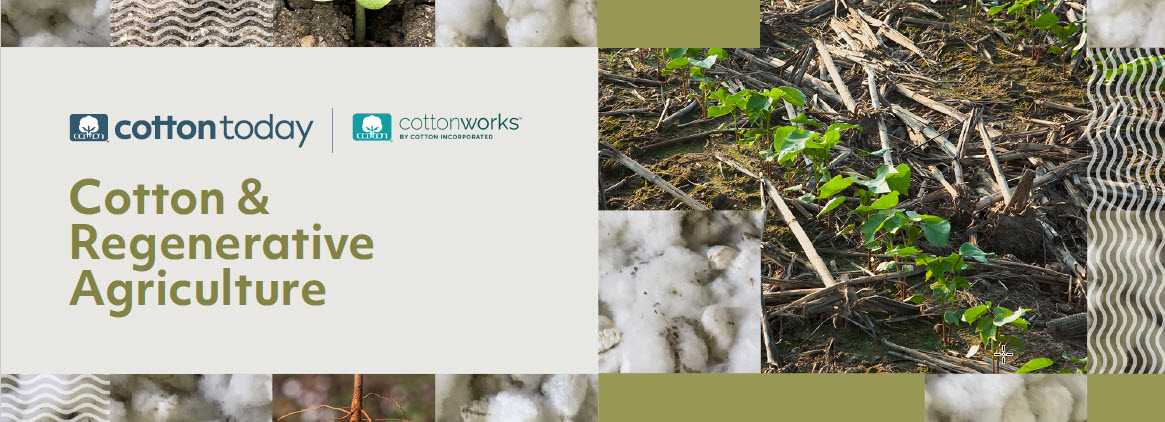
PermaNews Brief
Key Takeaways
Regenerative cotton farming improves soil, water, and climate resilience, offering a sustainable path despite initial adoption challenges.
- Regen agriculture boosts soil health and water retention.
- It enhances carbon sequestration in cotton systems.
- Farmers gain resilience against extreme weather events.
- Cover crop costs are an initial hurdle.
- Policy and education drive wider adoption.
Why It Matters
Adopting regenerative practices in cotton farming can mitigate environmental impact and ensure long-term agricultural viability, benefiting both farmers and ecosystems.
What to Do Next
Explore local government or Cotton Incorporated resources for regenerative agriculture funding and best practices.
Recommended for: Cotton farmers, agricultural policymakers, and sustainable textile industry professionals seeking to understand the benefits and implementation of regenerative agriculture.
Regenerative agriculture in cotton farming enhances soil health, optimizes water use, boosts carbon sequestration, and builds resilience to extreme weather, though challenges like cover crop costs persist. Practices such as no-till planting, diverse cover crops (rye, legumes), and precision irrigation maintain ground cover, suppress weeds, and cycle nutrients, reducing synthetic fertilizer needs. Soil organic matter increases improve structure, infiltration, and microbial activity, vital for cotton's root systems. Carbon sequestration via photosynthesis and root exudates positions cotton as a climate solution, aligning with USDA's Regenerative Pilot Program emphases. Water efficiency rises through better retention, critical in arid regions. Weather resilience—drought, floods—is evident in regenerative fields' stability, as shared by producers. Economic hurdles include seeding and termination costs for covers, offset by yield protections and input savings long-term. Cotton Incorporated supports research and farmer adoption, integrating regen into L.I.F.E. (Living Is For Everyone) sustainability framework. Ties to federal initiatives offer EQIP/CSP funding for practices like 336 Soil Carbon Amendment. Holistic approaches, echoing Finnish studies, partner with nature for ecosystem revitalization. Corporate supply chain demands, like food firms' regenerative sourcing, extend to textiles. Nebraska-style strategies adapt to cotton: grazing covers for dual livestock-crop benefits, nematode control via rotations. Despite critiques of regenerative vagueness, cotton data shows tangible gains: 20-30% water savings, higher biodiversity. Scaling requires education, as in 2026 conferences, and policy support. The sector's evolution from conventional to regen reflects broader ag trends, promising sustainable profitability. Measurement via soil tests ensures accountability, mirroring pilot requirements. Ultimately, regenerative cotton fortifies U.S. fiber supply against volatility, delivering environmental and economic dividends.
Source: lifestylemonitor.cottoninc.com
Related Analysis
- High-Salt Fertilizers Block Soil Microbes, Kempf Says — High-salt fertilizers disrupt soil microbes and microbial colonization, trapping farmers in chemical dependency. Biologi…
- Fertilizer Shortage Forces Reckoning on Nitrogen Sources — Fertilizer supply crisis drives farms toward nitrogen-fixing cover crops, compost, and legume rotations as alternatives.
Related on PermaNews
- Ernst Götsch's Cacao Syntropy: Master Agroforestry Now (How-To Guide)
- Designing Regenerative Resilience: Participatory Living Labs (How-To Guide)
- Lo—TEK: Indigenous Tech for Climate Solutions (Article)
- Nakivale's Regenerative Toilets: Refugee Resilience, Circular Sanitation (Case Study)
- Pippin Home Designs: Regenerative Home Design Explained (How-To Guide)
- Federal Policy Shift: Native Regenerative Ag for Soil & Carbon (Article)
Explore more in Food Systems & Growing — the full hub for this knowledge area.