Garden Upgrade: 5 Reasons for Water Features
By Urban Farmer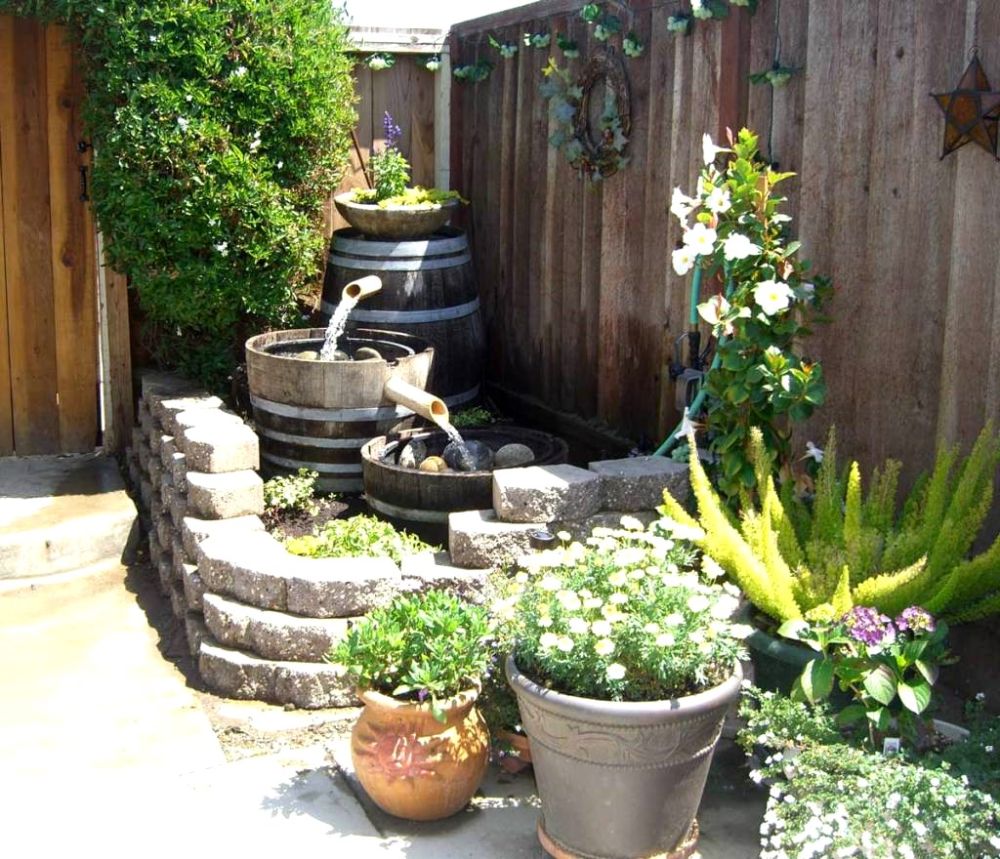
PermaNews Brief
Key Takeaways
Water features in gardens offer aesthetic, auditory, and ecological benefits, making small spaces feel larger and attracting wildlife.
- Water features create illusion of expanded space.
- Reflective surfaces add dynamic visual depth.
- Flowing water introduces calming auditory elements.
- Natural sounds mask urban noise pollution.
- Water features support garden biodiversity.
Why It Matters
Incorporating water features can transform a garden into a more serene and biodiverse sanctuary, enhancing both its visual appeal and functional benefits.
What to Do Next
Research local regulations and suitable water feature types for your garden size and style.
Recommended for: Anyone looking to enhance their garden with aesthetic appeal, calming sounds, and increased wildlife activity.
Incorporating water features into a garden design can significantly enhance its aesthetic appeal and overall functionality, offering a range of benefits that extend beyond simple decoration. One notable advantage is the illusion of expanded space that water can create. The reflective properties of water surfaces, whether still or moving, can mirror the surrounding landscape, effectively doubling the visual depth of the garden. This optical trick is particularly useful in smaller outdoor areas, making them feel more open and expansive than their actual dimensions. The interplay of light on water also adds a dynamic element, with shimmering reflections that change throughout the day and with varying weather conditions, contributing to a sense of liveliness and movement.
Beyond visual expansion, water features introduce a unique auditory dimension to the garden environment. The gentle sounds of flowing water, such as trickling, bubbling, or cascading, can have a profoundly calming and meditative effect. This natural white noise helps to mask undesirable urban sounds, like traffic or distant conversations, creating a more serene and private atmosphere. The specific sound produced depends on the type of water feature, from the soft gurgle of a small fountain to the more pronounced rush of a waterfall, allowing for customization based on personal preference and the desired ambiance. This auditory enhancement transforms the garden into a more tranquil retreat, encouraging relaxation and contemplation.
Water features also play a crucial role in attracting and supporting local wildlife, thereby increasing the biodiversity of the garden. Birds are drawn to water for drinking and bathing, while beneficial insects, such as dragonflies and butterflies, may also frequent these areas. A well-designed pond can become a habitat for aquatic plants and animals, further enriching the ecosystem. This integration of nature not only adds visual interest with the presence of various creatures but also contributes to the ecological health of the garden, promoting a balanced and thriving environment. Observing wildlife interacting with the water feature can be a source of continuous enjoyment and connection to the natural world.
Furthermore, the presence of water can have a tangible impact on the microclimate of the garden. Evaporation from water surfaces can slightly cool the surrounding air, which can be a welcome effect during warmer months. This subtle cooling can make outdoor spaces more comfortable for extended periods, encouraging greater use and enjoyment of the garden. While the effect might be modest in larger areas, even a small reduction in temperature can enhance the overall comfort level, making the garden a more inviting place to spend time, especially during peak summer heat.
Finally, water features serve as compelling focal points within the garden design, drawing the eye and providing a central element around which other garden components can be arranged. Whether it's an elegant fountain, a rustic birdbath, or a naturalistic pond, a water feature can anchor a specific area, creating visual interest and guiding the viewer's gaze. The design possibilities are vast, ranging from formal and architectural to informal and naturalistic, allowing for seamless integration with any garden style. This ability to act as a captivating centerpiece elevates the garden's design, making it more engaging and memorable. In essence, incorporating water features offers a multifaceted approach to garden enhancement, delivering aesthetic, auditory, ecological, and microclimatic benefits that collectively transform an outdoor space into a more dynamic and enjoyable environment.
Source: urbanfarmonline.com
Related Analysis
- Projects Pivot to Integrate Rainwater Harvesting with Energy — New evidence indicates a shift toward integrating rainwater cisterns with renewable energy systems in permaculture proje…
- Farmers Pivot to Innovative Water Solutions Amid Drought — Decentralized water management systems are emerging among regenerative farms to enhance resilience against drought.
Related on PermaNews
- Berlins schwimmende Gärten: Permakultur auf dem Wasser (Case Study)
- We Grow Urban Farm: Regenerative Urban Agriculture Case Study (Video)
- Regeneratives Stadtgärtnern: Ökosysteme heilen & neu beleben (How-To Guide)
- Global Urban Food Forests: Cultivating Green Oases & Community (Article)
- Miyawaki Method: Rapid Forest Creation for Urban Green (How-To Guide)
- Climate-Resilient Urban Farming: Permaculture's Water Solutions (Case Study)
Explore more in Water, Climate & Adaptation — the full hub for this knowledge area.