Goats: The Eco-Friendly Weed Control Solution
By Urban Farmer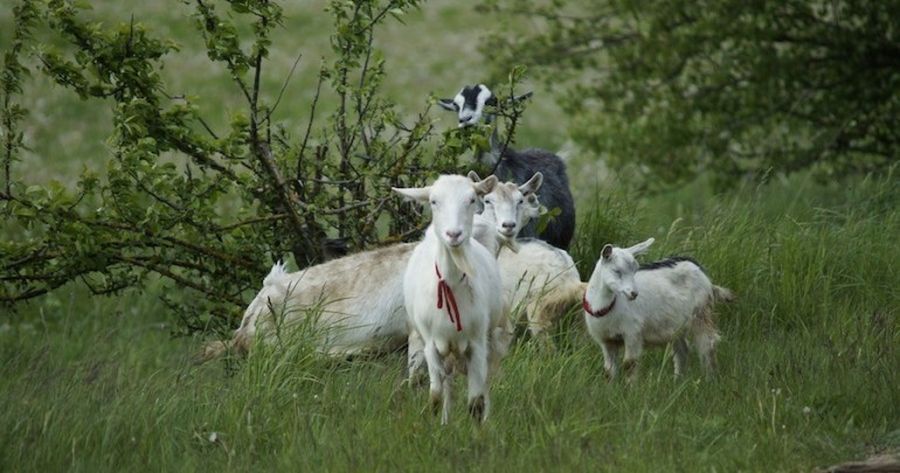
TL;DR: Goats offer an eco-friendly and efficient way to manage weeds, reducing the need for chemicals and improving soil health.
- Goats eat diverse vegetation, including stubborn weeds.
- They access difficult terrains effectively.
- Grazing prevents future weed germination.
- Goat droppings fertilize and enrich soil.
- Reduces reliance on chemical herbicides.
Why it matters: Integrating goats for weed control can lead to healthier ecosystems and more sustainable land management practices, benefiting both the environment and long-term productivity.
Do this next: Research local regulations and resources for renting or owning goats for weed management in your area.
Recommended for: Landowners, farmers, and community garden managers seeking sustainable, chemical-free, and efficient weed control solutions.
Goats offer a natural and effective solution for managing unwanted vegetation, presenting a compelling alternative to conventional methods like herbicides or manual labor. Their unique digestive system and foraging habits make them particularly well-suited for clearing various types of plant growth, from common weeds to more stubborn invasive species. This approach aligns well with permaculture principles, promoting ecological balance and reducing reliance on synthetic inputs.
One of the primary advantages of using goats for weed control is their indiscriminate eating habits. Unlike some livestock that might selectively graze on preferred plants, goats are known to consume a wide variety of vegetation, including thorny bushes, woody shrubs, and plants that other animals might avoid. This broad diet makes them highly effective at clearing overgrown areas, dense thickets, and even poison ivy or other undesirable plants that could pose a risk to humans or other animals. Their ability to reach into difficult-to-access areas, such as steep slopes or rocky terrain, further enhances their utility, as these are often challenging for machinery or human labor to navigate.
Beyond simply eating the plants, goats contribute to long-term weed suppression. As they graze, they not only remove the above-ground biomass but also consume seeds, preventing future germination. Their digestive process also helps to break down plant material, and their droppings act as a natural fertilizer, enriching the soil. This creates a healthier soil ecosystem that can better support desirable plant growth, further outcompeting weeds over time. This cyclical benefit contributes to a more resilient and productive landscape.
The environmental benefits of using goats are significant. By reducing the need for chemical herbicides, they help protect water sources from contamination and preserve biodiversity by not harming beneficial insects or soil microorganisms. This chemical-free approach is particularly valuable in organic farming or in areas where environmental sensitivity is a high priority. Furthermore, using goats can reduce fuel consumption and carbon emissions associated with operating heavy machinery for land clearing, offering a more sustainable and eco-friendly solution.
Economically, employing goats for weed control can be a cost-effective strategy. While there is an initial investment in acquiring and housing the animals, their ongoing maintenance can be less expensive than repeatedly purchasing and applying herbicides or hiring manual labor for extensive clearing projects. In some cases, the goats can also provide additional benefits such as milk, fiber, or meat, further offsetting their costs and adding value to the farm or property. Their ability to work continuously without breaks or wages makes them a highly efficient workforce.
However, successful implementation of goat-based weed control requires careful planning and management. Factors such as the number of goats needed for a specific area, the duration of grazing, and the type of vegetation present must be considered. Fencing is crucial to keep the goats contained and to direct their grazing to target areas. Monitoring their health and ensuring they have access to fresh water and appropriate shelter are also essential responsibilities. Understanding the specific plant species present is also important, as some plants can be toxic to goats, requiring careful management to prevent harm.
In conclusion, goats offer a multifaceted and sustainable approach to weed management. Their natural foraging behaviors provide an efficient, environmentally friendly, and potentially cost-effective alternative to conventional methods. By integrating goats into land management strategies, individuals and farms can foster healthier ecosystems, reduce reliance on synthetic chemicals, and promote a more balanced and productive environment.