Arctic Blast Prep: Hay Mulch Risks & Cold Weather Plant Care
By EdibleAcres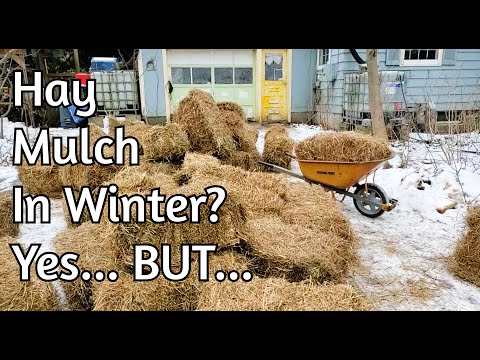
PermaNews Brief
Key Takeaways
Protecting plants from extreme cold requires careful mulch selection; hay, while common, poses risks like weed introduction, pests, and compaction.
- Hay mulch can introduce weed seeds to your garden.
- Pests like rodents are attracted to hay for shelter.
- Hay can harbor fungal spores and insect eggs.
- Dense, wet hay loses insulating properties.
- Choose mulch carefully, especially for extreme cold.
Why It Matters
Incorrect mulching during extreme cold can harm plants, introduce pests, and create more work, undermining protective efforts.
What to Do Next
Review your mulch choices and consider alternatives to hay for extreme cold protection.
Recommended for: Gardeners in cold climates needing practical advice on winter plant protection, especially regarding mulch selection.
As an unprecedented cold front, dubbed an "Arctic Blast," prepares to sweep across a significant portion of the United States, gardeners are scrambling to protect their plants from potentially devastating freezing temperatures. While mulching is a widely recommended practice for insulating plants, the choice of mulching material becomes critical, especially when facing extreme cold. Hay, a common and often readily available option, presents several risks that gardeners should be aware of before applying it as a protective layer during such an event.
One primary concern with using hay for mulching during an Arctic Blast is its potential to harbor weed seeds. Hay is essentially dried grasses and legumes, and unless it has been specifically processed to remove viable seeds, it will almost certainly introduce a new crop of weeds to your garden beds once temperatures warm up. This can lead to a significant increase in weeding chores in the spring, counteracting the benefits of mulching. For gardeners who prioritize minimizing weed pressure, this is a substantial drawback.
Beyond weed seeds, hay can also introduce unwanted pests and diseases. Rodents, such as mice and voles, are attracted to the warmth and shelter that a thick layer of hay provides. They can burrow into the mulch, creating nests and potentially gnawing on the stems and roots of your plants, causing damage that may not be immediately apparent. Furthermore, hay can harbor fungal spores and insect eggs, which, under favorable conditions, could lead to outbreaks of plant diseases or pest infestations once the weather moderates. This risk is particularly elevated in a garden setting where plants are already under stress from extreme cold.
Another significant issue with hay, particularly in areas prone to heavy precipitation or high humidity, is its tendency to become waterlogged and compact. While a loose layer of mulch provides insulation by trapping air, a dense, wet layer of hay can actually have the opposite effect. It can reduce air circulation around the plant crowns, creating an anaerobic environment that is detrimental to plant health. This can lead to root rot, especially for plants that are sensitive to excessive moisture. During an Arctic Blast, when plants are already vulnerable, compromised root systems can be fatal.
Furthermore, the decomposition rate of hay can be problematic. While some decomposition is desirable for enriching the soil, hay can break down quite rapidly, especially if it becomes wet. This rapid decomposition can tie up nitrogen in the soil, making it temporarily unavailable to your plants. This nitrogen depletion can stunt plant growth and reduce overall vigor once the growing season resumes. While this is more of a long-term concern, it's an important consideration for overall soil health and plant nutrition.
For gardeners seeking to protect their plants from an Arctic Blast, alternative mulching materials are generally safer and more effective. Straw, for instance, is often preferred over hay because it typically contains fewer weed seeds and is less prone to compaction. Wood chips, shredded leaves, or pine needles are also excellent choices, offering good insulation, slower decomposition rates, and fewer pest and disease concerns. These materials provide a more stable and beneficial environment for plants during periods of extreme cold.
In conclusion, while the immediate instinct to protect plants during an Arctic Blast is commendable, the choice of mulching material requires careful consideration. Hay, despite its availability, carries significant risks related to weed introduction, pest harborage, potential for compaction and root rot, and nitrogen depletion. Opting for alternative mulches can provide superior protection without introducing these additional challenges, ensuring the long-term health and vitality of your garden.
Source: youtube.com
Related Analysis
- Rainforest Alliance Launches Certification Tied to Soil Results — A developing direction in regenerative ag certifications demands measurable soil outcomes, not just practice adoption. R…
- Campbell's Corporate Grants Push Farmers Into Regenerative Trials — Campbell's Grower Grants are funding real-acre regenerative trials, offering a corporate-backed mechanism for on-farm ex…
Related on PermaNews
- Bodenkohlenstoff: Permakultur als Klimaretter? (How-To Guide)
- Aussaaten und Gartenarbeiten im Mai 2026 - Mulchen mit Hanf, Kohle aktivieren - Selbstversorgung (Video)
- Smart Bewässern: Landwirtschaft effizient & nachhaltig (How-To Guide)
- Cold Snap Composting: Hot Piles for Winter Gardens (Video)
- Gärten als Kohlenstoffsenke: Permakultur für Klimaschutz (How-To Guide)
- Permakultur: Kohlenstoff im Boden binden – Praxis-Anleitung (How-To Guide)
Explore more in Food Systems & Growing — the full hub for this knowledge area.