Tx A&M: Rainwater Harvesting Catchment Area Guide
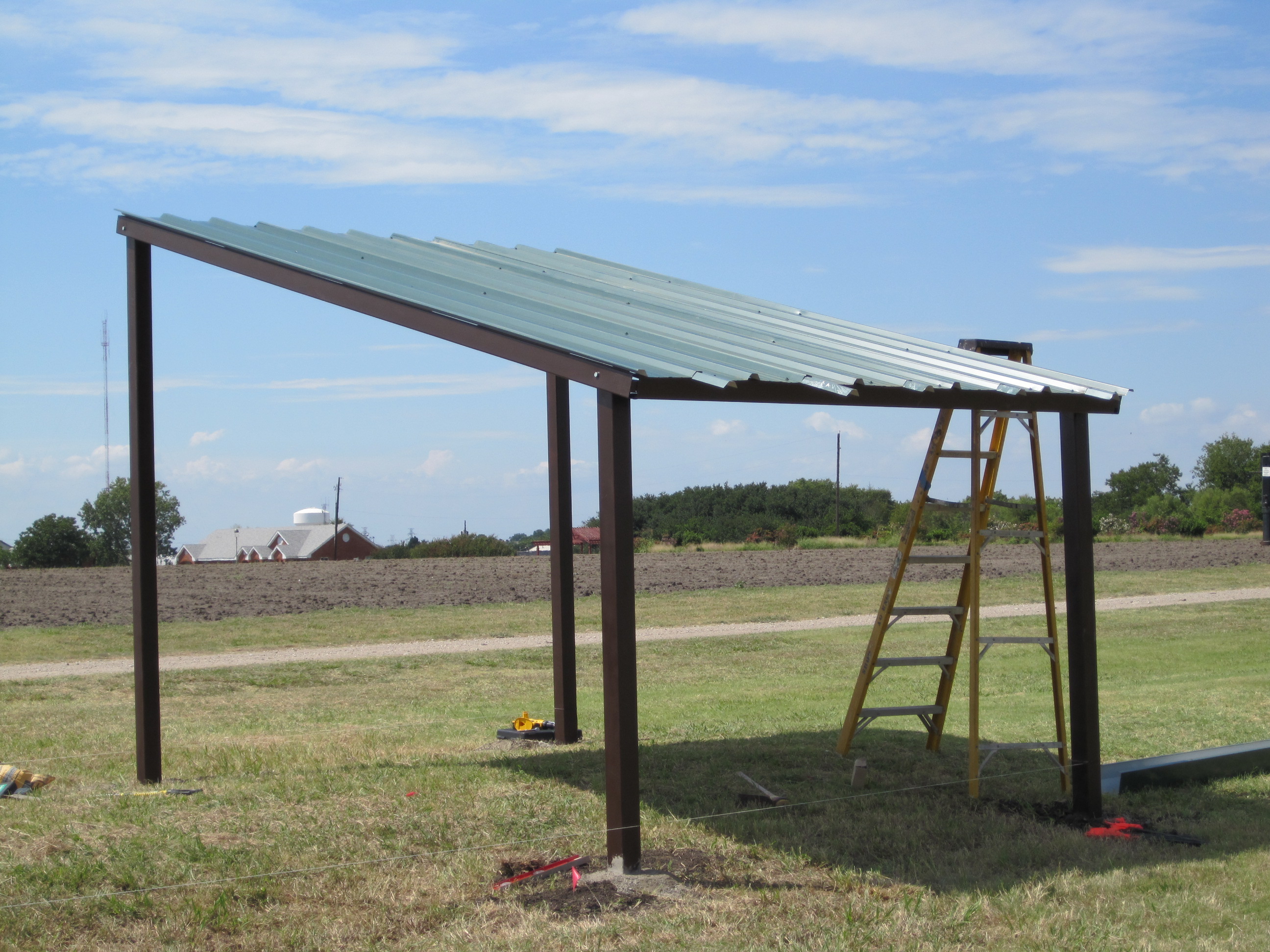
TL;DR: Measure your roof’s footprint, not slope, to determine the effective rainwater catchment area for your harvesting system.
- Roof footprint defines catchment area; ignore slope.
- Metal roofs ideal; avoid lead-containing materials.
- Sizing directly impacts harvest potential.
- Use first-flush diverters to remove contaminants.
- Integrate with properly sized gutters and downspouts.
Why it matters: Accurate catchment area calculation is critical for designing efficient rainwater harvesting systems, directly influencing water availability and system performance.
Do this next: Measure the total square footage of your roof, including overhangs, to determine your potential water catchment.
Recommended for: Homeowners, farmers, and permaculture practitioners seeking to design or optimize rainwater harvesting systems for self-sufficiency.
This guide from Texas A&M details catchment area determination for tank-based rainwater harvesting systems, emphasizing the roof's footprint as the primary collection surface. Calculate by measuring the building area plus roof overhangs at the drip line; slope does not affect it since it's the horizontal projection. Key considerations include roof material: asphalt shingles suffice for landscape use, but metal roofs are preferred for shedding contaminants easily; avoid lead-containing wood shingles or flashing. Sizing the catchment directly scales harvest potential—larger roofs mean more water. Visual aids illustrate identical footprints across varied roof pitches. Practical advice covers contaminants: roofs accumulate dust, bird droppings, and pollutants, necessitating first-flush diverters to discard initial runoff. For optimal yield, integrate with gutters and downspouts sized for peak storm flows. The resource supports system design by linking catchment size to storage needs, advising conservative estimates for runoff coefficients around 0.8-0.9 to account for losses. Examples show how a 1,200 sq ft roof in a high-rain event captures substantial volumes post-flush. It promotes drought resilience through reliable sizing, enabling off-grid water security. Texas A&M's agricultural extension provides field-validated insights, ideal for practitioners building resilient homesteads or farms. Steps include site survey for overhangs, material checks, and integration with filtration for potable use where regulations allow.