China-Backed Pork vs. CA Voters: Prop 12 Showdown Heats Up
By OCA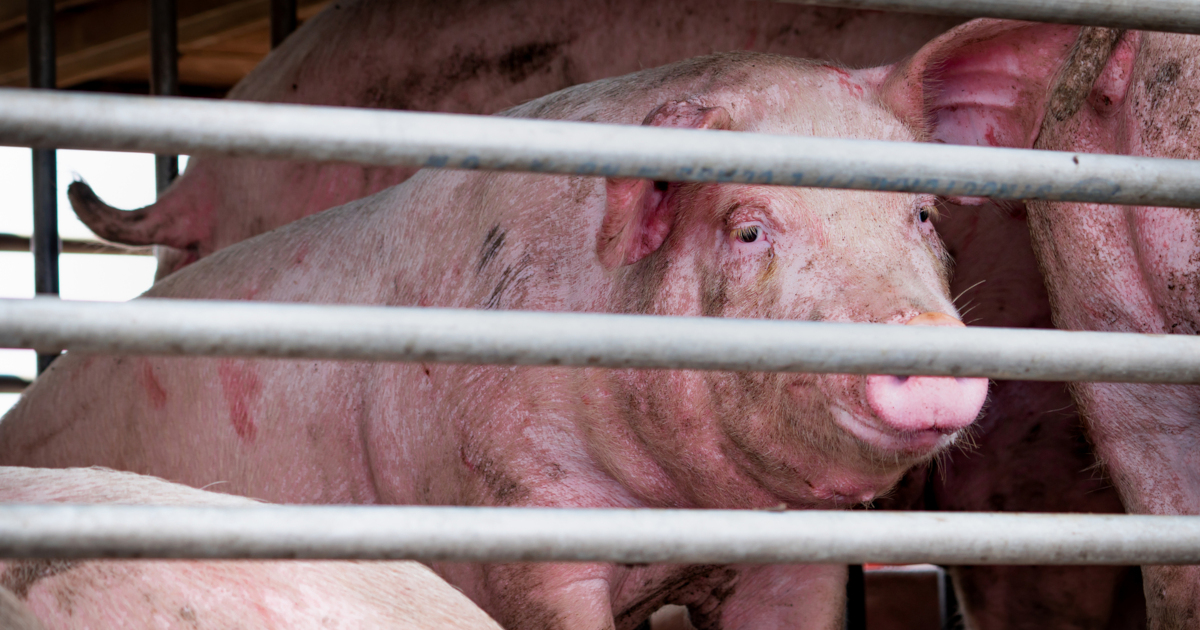
PermaNews Brief
Key Takeaways
California’s Proposition 12, aimed at improving animal welfare by setting minimum space requirements for livestock, faces strong opposition from the pork industry due to compliance costs and legal challenges.
- California passed Prop 12 for animal welfare.
- Pork industry opposes new animal housing rules.
- Compliance costs are a major industry concern.
- Legal battles reached the Supreme Court.
- Prop 12 upheld, impacting pork production.
Why It Matters
This ruling sets a precedent for states to regulate out-of-state production standards for goods sold within their borders, influencing animal welfare and agricultural practices nationwide.
What to Do Next
Research local initiatives supporting ethical animal farming and consider buying products from compliant producers.
Recommended for: Consumers, policymakers, and agricultural stakeholders interested in the intersection of animal welfare, state legislation, and national commerce.
A significant debate is unfolding in the United States concerning animal welfare standards for pork production, particularly impacting California and potentially the broader agricultural industry. At the heart of this issue is California's Proposition 12, a ballot initiative overwhelmingly approved by voters in 2018, which mandates specific space requirements for breeding pigs, egg-laying hens, and veal calves. This proposition aims to improve the living conditions of these animals by prohibiting the sale of products from operations that do not meet these minimum space standards, regardless of where the animals were raised.
The implementation of Proposition 12 has faced considerable opposition from various segments of the pork industry, including large-scale producers and some agricultural organizations. These groups argue that complying with the new standards imposes substantial financial burdens, necessitating costly renovations to existing facilities or the construction of new ones. They contend that these increased costs will inevitably be passed on to consumers, leading to higher pork prices and potentially reducing consumer access to pork products. Furthermore, opponents suggest that the proposition creates an uneven playing field, disadvantaging producers who sell into the California market compared to those who do not.
A key aspect of the opposition's strategy has been legal challenges. The North American Meat Institute (NAMI) and the National Pork Producers Council (NPPC) filed a lawsuit arguing that Proposition 12 violates the dormant Commerce Clause of the U.S. Constitution. This clause generally prevents states from enacting laws that unduly burden interstate commerce. The plaintiffs asserted that California's law effectively dictates production methods in other states, even for pork not consumed within California, thereby overstepping its constitutional authority. This legal battle reached the Supreme Court, which ultimately upheld Proposition 12 in May 2023, affirming California's right to set its own animal welfare standards for products sold within its borders.
Despite the Supreme Court's ruling, efforts to circumvent or modify Proposition 12 continue. One notable development involves a proposed amendment to the federal farm bill, a comprehensive piece of legislation that governs various agricultural and food programs. This amendment, supported by some members of Congress and agricultural lobbies, seeks to preempt state-level animal welfare laws like Proposition 12. If passed, such an amendment would effectively nullify California's law and prevent other states from enacting similar regulations. Proponents of this federal intervention argue for the need for national uniformity in agricultural standards to avoid a patchwork of state laws that could disrupt interstate commerce and create inefficiencies for producers.
The debate also highlights a division within the agricultural community and among political ideologies. While some conservative voices traditionally advocate for states' rights and limited federal intervention, the push for a federal override of Proposition 12 has seen support from some conservative lawmakers and agricultural groups who prioritize economic interests and industry standards over state autonomy in this specific instance. Conversely, many animal welfare advocates, environmental groups, and some farmers, including those operating smaller, pasture-based systems, strongly support Proposition 12. They argue that the law reflects evolving consumer demands for more humane treatment of animals and that it encourages more sustainable and ethical farming practices.
The economic implications are a central point of contention. Opponents of Proposition 12 project significant increases in production costs, potentially leading to a reduction in the supply of compliant pork and higher prices for California consumers. They also raise concerns about the potential for market disruption and the competitive disadvantage faced by producers who invest in compliant facilities. Supporters, however, argue that the industry has had ample time to adapt and that the costs of compliance are manageable, especially when considering the long-term benefits of improved animal welfare and consumer trust. They also point to the success of some smaller, independent farms that already meet or exceed these standards, demonstrating the feasibility of more humane production methods.
The ongoing struggle over Proposition 12 represents a broader conflict between state regulatory power, federal oversight, economic interests of large-scale agriculture, and evolving societal values regarding animal welfare. The outcome of these continuing efforts to
Source: organicconsumers.org
Related Analysis
- Does Growing Your Own Food Actually Save Money? The Real Numbers — Most home gardens save money by year two — but only if the right crops are planted. Herbs and salad greens deliver 5–10x…
- Regenerative Farmers Flip Cover Crop Logic From Compliance to Profit — Practitioner accounts and a new meta-analysis suggest cover cropping is being reframed from conservation practice to pro…
Related on PermaNews
- Episode #34: Why Weed-free Horse Pastures Might be Hurting Equine Health with Allison Lepanto (Video)
- Meet the rescued dingoes helping at-risk youth | Back Roads | ABC iview (Video)
- PFAS Found in 40% of CA Non-Organic Produce from Top Supplier (Article)
- EU-Weidezwang 2026: 316 bayerische Bio-Bauern geben auf (Article)
- 2026 Farm Bill: Animal Welfare Laws Under Threat (Organic Bytes #934) (Article)
- Ethical Livestock: Valuing Humane Farming & Welfare (Podcast)
Explore more in Food Systems & Growing — the full hub for this knowledge area.